Heat Shrink Tubing: Everything you need to know!
What Is Heat Shrink Tubing?
Heat shrink tubing is a type of thermoplastic sleeve that contracts when heated, forming a snug, protective layer around wires, cables, or electrical components. It is commonly used to insulate, bundle, or shield wiring from abrasion, minor impacts, moisture, dust, and other environmental factors.
Heat shrink tubing, a versatile polymer that contracts when heated, offers essential insulation, protection, and sealing for numerous applications. Widely used in electrical and electronics, it insulates wires, bundles cables, and shields connections from abrasion, moisture, and chemicals. In automotive and aerospace, it protects wiring harnesses against vibration and harsh conditions. It also aids plumbing repairs, enhances jewelry designs, and assists in DIY cable management. Furthermore, its tight conformity to various shapes makes it indispensable for professionals and hobbyists alike, ensuring durability and safety across diverse industries such as marine, telecommunications, and industrial manufacturing.
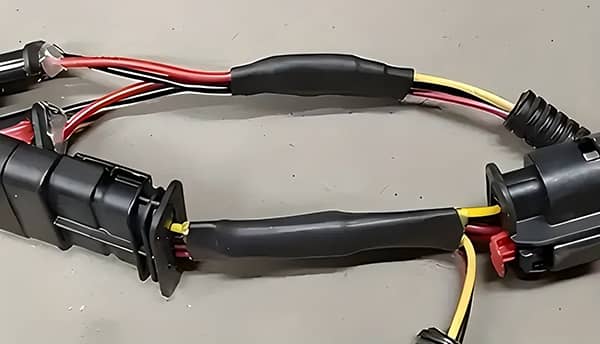
Benefits of Heat Shrink Tubing
Heat shrink tubing is an essential solution for cable management and protection across various industries. Its versatility and ease of use make it ideal for applications ranging from simple wire bundling to complex industrial installations. Below are the key benefits of heat shrink tubing in detail:
1. Superior Physical Protection
Heat shrink tubing provides excellent defense against mechanical damage, including abrasion, minor impacts, and cuts from sharp edges. By forming a tight, conformal layer around wires and cables, it prevents wear and tear that could lead to insulation failure or short circuits.
2. Environmental Resistance
The tubing acts as a barrier against moisture, chemicals, dust, and other contaminants that could degrade electrical connections. Certain specialized types offer UV resistance, corrosion protection, and flame retardancy for harsh environments.
3. Improved Cable Organization
Instead of dealing with tangled wires, heat shrink tubing helps bundle multiple cables into neat, manageable groups. This simplifies installation, maintenance, and troubleshooting while reducing clutter in control panels and machinery.
4. Professional Aesthetic Finish
Unlike electrical tape, which can fray or peel over time, heat shrink tubing provides a smooth, clean appearance. This is particularly beneficial in consumer electronics, automotive wiring, and other applications where visual appeal matters.
5. Electrical & Thermal Insulation
The material insulates against electrical currents and prevents short circuits. Some high-temperature variants also offer thermal protection, shielding wires from heat sources in engines, industrial equipment, and power systems.
6. Strain Relief & Structural Support
By reinforcing connections at stress points (such as solder joints or terminals), heat shrink tubing minimizes flexing and vibration damage. This extends the lifespan of wires, connectors, and sensitive components.
7. Customizable Identification
Manufacturers can incorporate color-coding into heat shrink tubing, allowing for quick wire identification in complex systems. This is especially useful in automotive, aerospace, and telecommunications applications where traceability is critical.
8. Easy Installation & Long-Term Reliability
Unlike liquid sealants or wraps, heat shrink tubing requires no drying time and maintains its integrity over years of use. A simple heat gun or oven triggers shrinkage, ensuring a secure, permanent fit.
From industrial machinery to DIY electronics, heat shrink tubing enhances durability, safety, and efficiency in countless applications. Its combination of protection, organization, and insulation makes it indispensable in modern electrical and mechanical systems.
Materials of Heat Shrink Tubing
Heat shrink tubing is manufactured from various polymer compounds, each offering distinct advantages for different applications. The three most common materials.
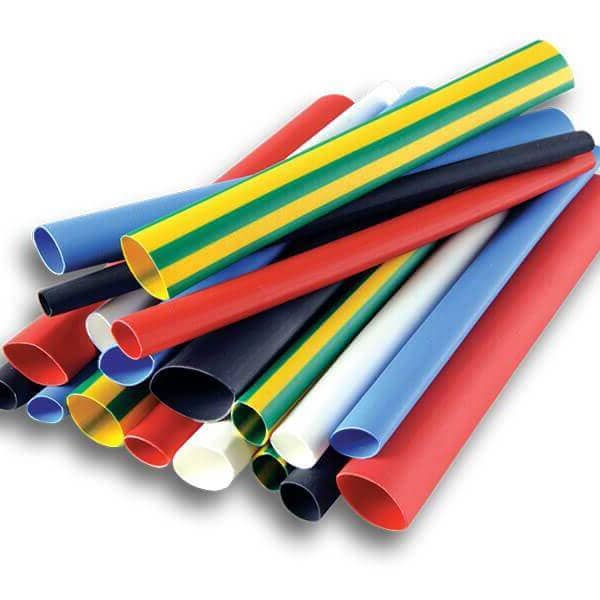
Polyolefin HST
The industry-preferred choice for its excellent thermal stability, withstanding temperatures up to 135°C. Though more costly than PVC, its heat resistance makes it perfect for demanding industrial, mechanical, and manufacturing environments.
Advantages
Disadvantages
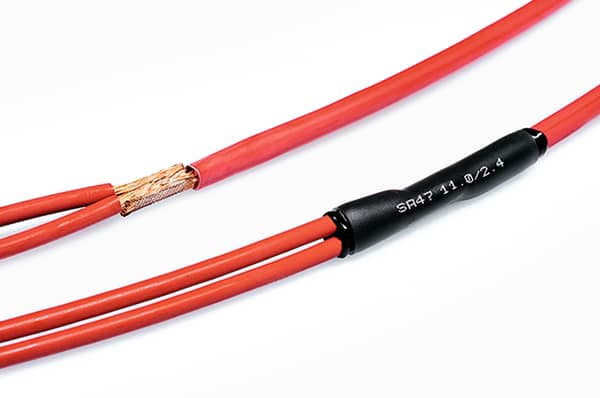
Adhesive-Lined Polyolefin HST
An enhanced version featuring an inner adhesive layer that melts during heating. This creates a waterproof, vibration-resistant seal by bonding to enclosed wires and filling gaps. Ideal for harsh conditions where moisture protection and secure fixation are critical.
Advantages
Disadvantages
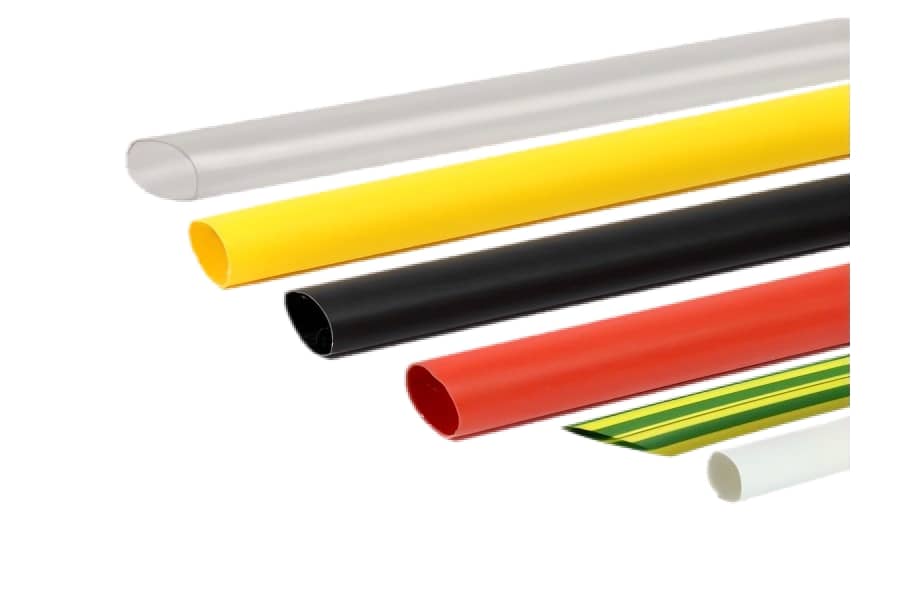
PVC (Polyvinyl Chloride) HST
A budget-friendly alternative with a lower heat tolerance (around 105°C). Valued for its durability, abrasion resistance, and customization options—available in transparent/colorful variants with flame-retardant formulations. Best suited for low-temperature applications where cost efficiency matters.
Advantages
Disadvantages
Each material serves specific needs, balancing temperature resilience, environmental protection, and economic factors. Polyolefin excels in high-heat scenarios, adhesive-lined versions provide superior sealing, while PVC remains the go-to for general-purpose, cost-conscious solutions.
Part of Heat Shrink Tube with Cable We Made
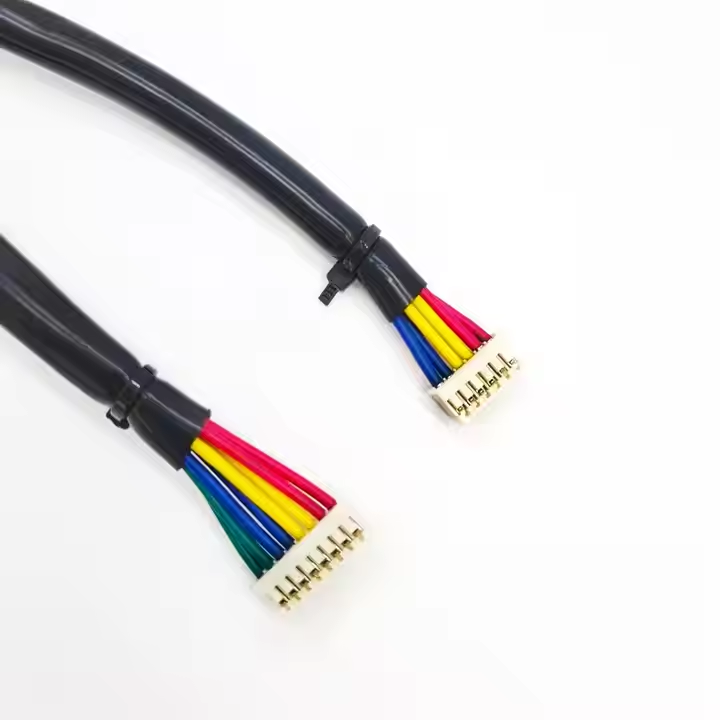
JST Connector With Heat Shrink Tube
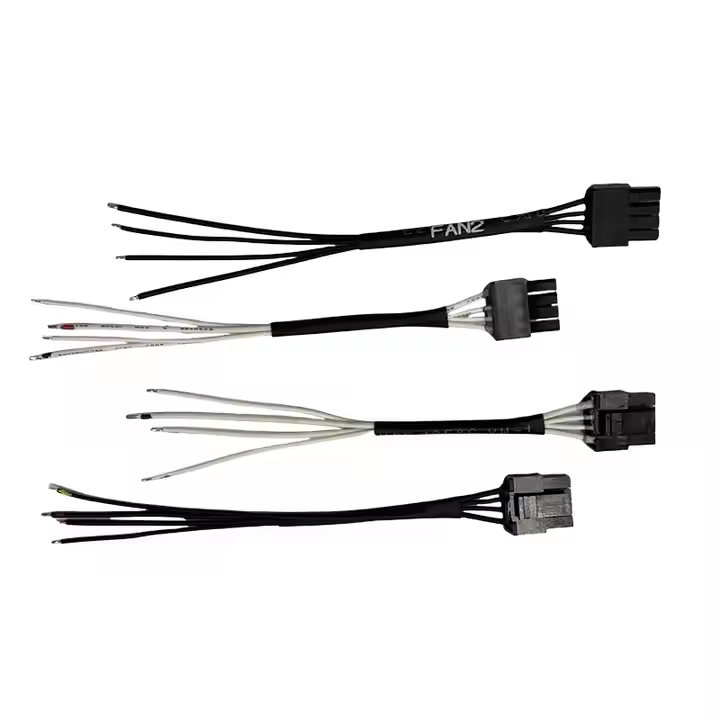
Molex Connector With Heat Shrink Tube
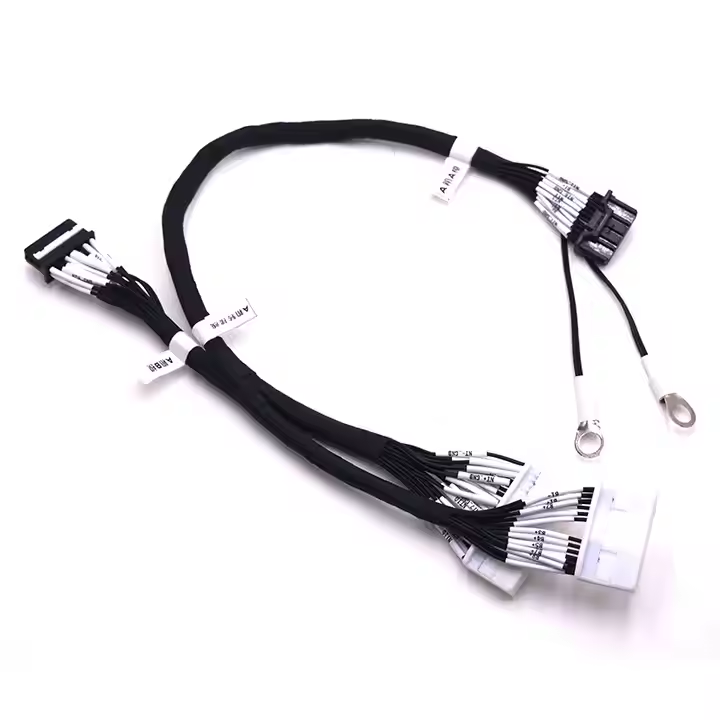
Auto Wire Harness With Heat Shrink Tube
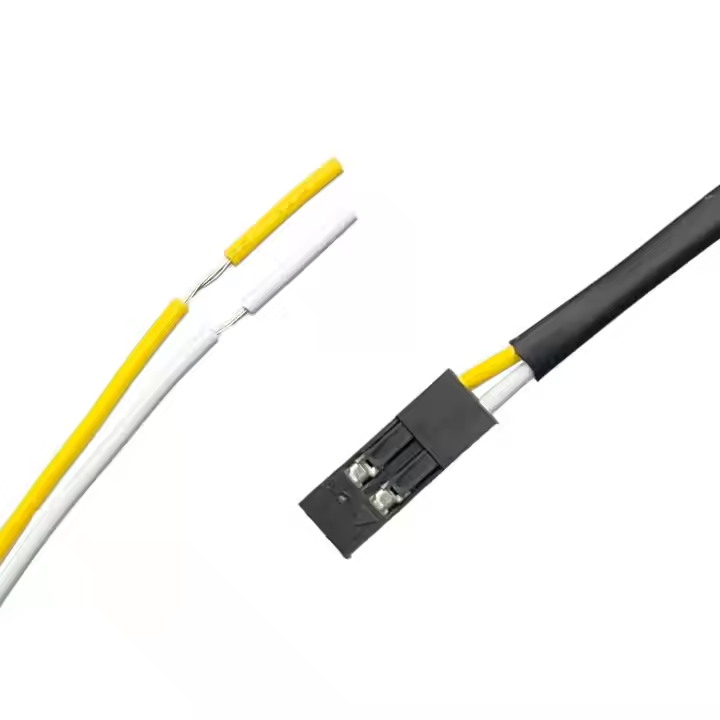
Dupont Connector With Heat Shrink Tube
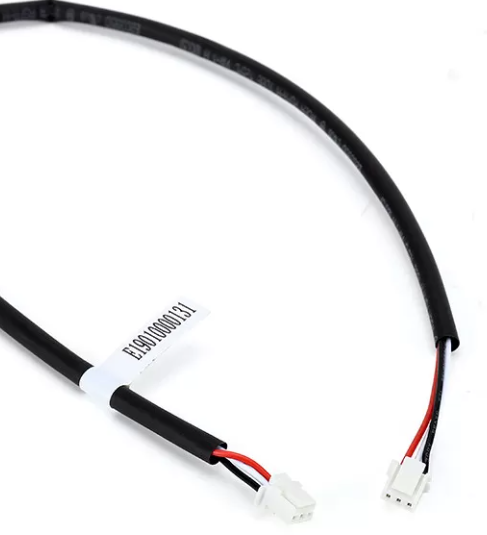
Industrial Wire Harness With Heat Shrink Tube
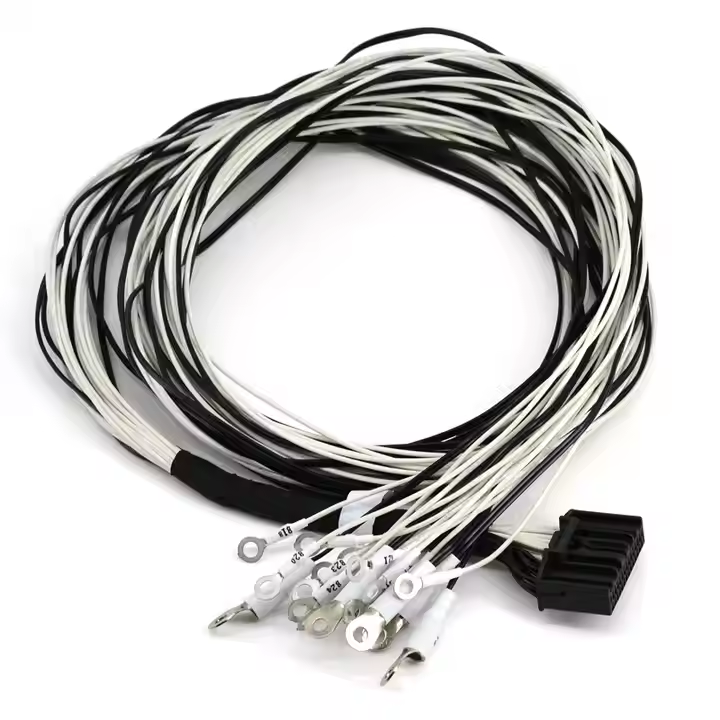
Battery Charger Wire With Heat Shrink Tube
