Enhancing Durability and Reliability: An Introduction to Wire Harness Overmolding
Introduction
In this article, we will delve into the process of wire harness over-molding, its benefits, applications, and the materials used to create these protective coverings.
Understanding Wire Harness Overmolding
Wire harnesses are essential components that organize and route multiple wires or cables to ensure proper electrical connectivity within a system. While traditional wire harnesses are effective in connecting various components, they are often vulnerable to environmental factors such as moisture, heat, chemicals, and physical impact. These threats can compromise the performance and longevity of the harnesses, leading to system failures and costly repairs.
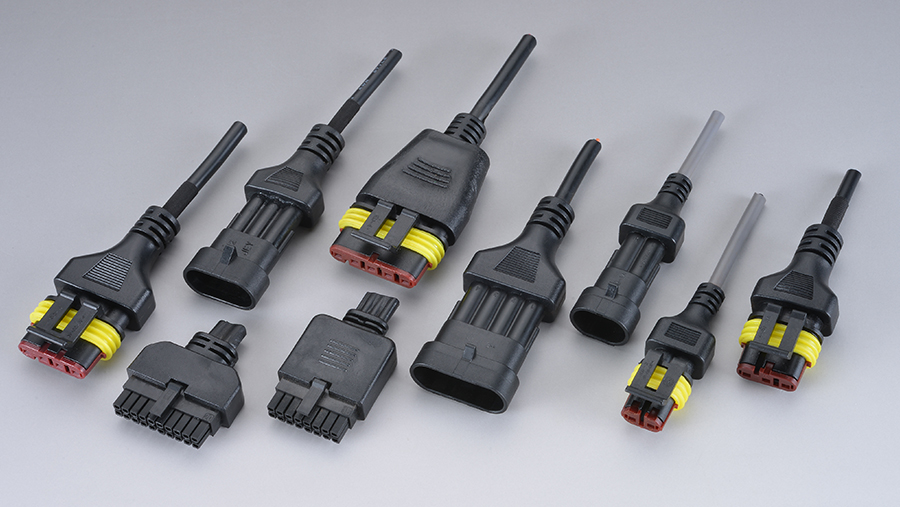
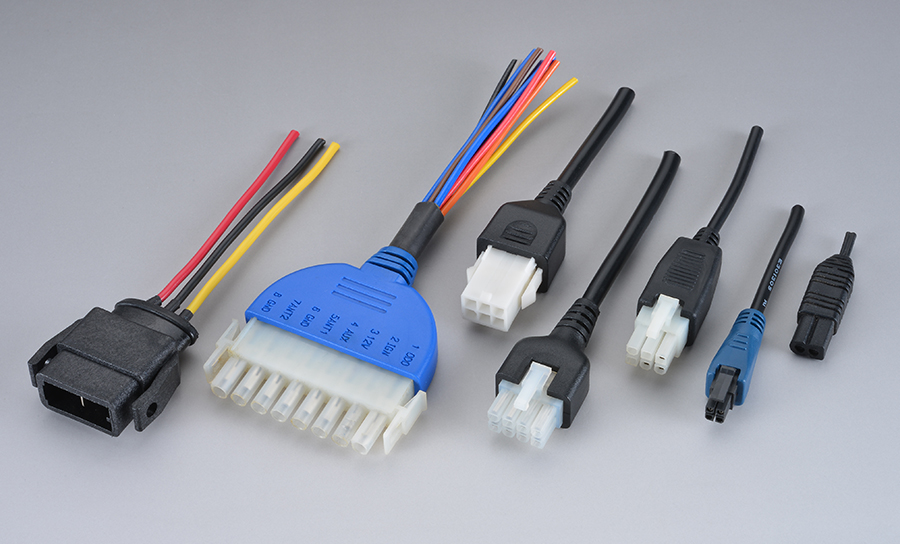
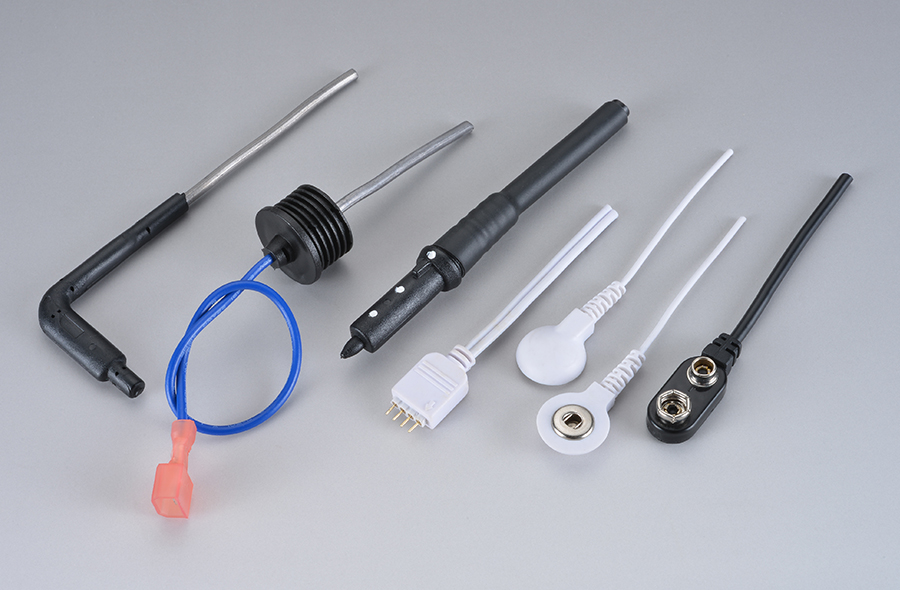
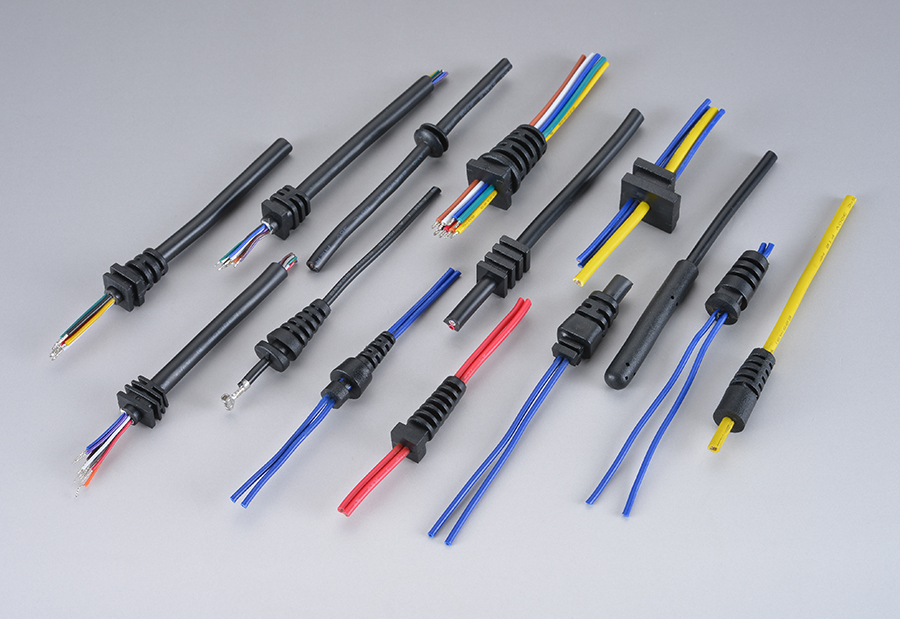
Wire harness overmolding addresses these vulnerabilities by encapsulating the wires and connectors in a protective material, typically a thermoplastic or thermosetting polymer. The overmolding process involves placing the wire harness in a mold cavity and injecting the molten material around it. Once cooled and solidified, the material forms a seamless, custom-fit protective covering over the harness, providing excellent protection against harsh environments and mechanical stresses.
Benefits of Wire Harness Overmolding
-
Enhanced Durability: Overmolding shields the wires from abrasion, impact, and vibration, which significantly extends the lifespan of the wire harness. It ensures the harness remains intact and fully functional even in demanding operating conditions.
-
Improved Weather Resistance: Overmolding creates a water-tight and dust-resistant seal around the wire harness, making it ideal for outdoor and harsh environmental applications.
-
Streamlined Design: The custom-fit overmolding eliminates the need for additional protective components, reducing assembly time and simplifying the overall design of the device or system.
-
Enhanced Safety: By preventing exposed wires and connectors, overmolding reduces the risk of electrical shorts, shock hazards, and potential fires.
-
Chemical and Corrosion Resistance: Overmolded materials are often engineered to withstand exposure to chemicals and corrosive substances, making them suitable for a wide range of industrial applications.
Applications of Wire Harness Overmolding
-
Automotive Industry: Wire harness overmolding is widely used in vehicles to protect crucial electrical systems from moisture, road debris, and temperature fluctuations. It ensures reliable performance and safety in various automotive applications, including engines, lighting systems, sensors, and airbags.
-
Consumer Electronics: In consumer electronics, overmolding provides protection for connectors and cables in devices like smartphones, wearable gadgets, and audio equipment.
-
Aerospace and Aviation: The aerospace industry benefits from overmolding to safeguard critical wiring and connectors in avionics, communication systems, and flight control units, ensuring uninterrupted operation even in extreme conditions.
-
Industrial Machinery: Overmolding is utilized in industrial equipment, such as manufacturing robots, control systems, and heavy machinery, to safeguard against harsh environments and maintain operational reliability.
Materials Used in Wire Harness Overmolding
The choice of materials for wire harness over-molding depends on the specific application's requirements. Common materials include:
-
Polyvinyl Chloride (PVC): PVC, also known as polyvinyl chloride, is a versatile and widely used synthetic material. It is made from the polymerization of vinyl chloride monomers and has various applications in different industries. PVC is commonly used for electrical wiring insulation and cable sheathing. Its flexibility makes it suitable for this application. PVC is also utilized in the automotive sector for manufacturing car interiors like dashboards, door panels, seat covers, and floor mats. Its ability to be molded into different shapes makes it an ideal choice for customization options.
- Thermoplastic Elastomer(TPE): It is a type of material that combines the properties of rubber and plastic. It is commonly used in various industries such as automotive, medical, and consumer goods due to its flexibility, durability, and resistance to chemicals. TPE can be molded into different shapes and colors easily without the need for vulcanization or curing processes like traditional rubber materials. Additionally, it is recyclable and environmentally friendly compared to other plastics.
-
Polyurethane (PU): PU provides excellent mechanical strength, abrasion resistance, and chemical resistance, making it suitable for demanding applications.
-
Polyamide (Nylon): Nylon overmolds are known for their high-temperature resistance and mechanical strength.
-
Silicone: Silicone-based overmolds offer exceptional heat and cold resistance, making them suitable for extreme temperature environments.
Conclusion
Wire harness over-molding is a vital process that significantly enhances the reliability, durability, and performance of electrical components. Its ability to protect against environmental hazards and mechanical stress makes it a valuable technology in various industries, including automotive, electronics, medical, and industrial machinery. As technology continues to advance, the versatility and applications of wire harness overmolding are expected to grow, contributing to the development of more robust and resilient electronic systems.
Hooha Harness Introduction
Hooha Harness is a reputable manufacturer based in China, offering comprehensive OEM and ODM services. With over 20 years of experience in customizing wire harnesses, we have gained expertise in various types of cable over-molding. Our commitment to quality is evident as we strictly adhere to the IPC/WHMA-A-620 standard during our manufacturing processes.
To ensure the highest level of product excellence, we have obtained prestigious certifications such as IATF16949, ISO9001, and UL certificates. These certifications validate our dedication to meeting international standards and regulations. Our specialization lies in crafting custom automotive wire harnesses, molded cables, and power cables. We understand the unique requirements of the automotive industry and strive to deliver tailored solutions that meet your specific needs. Whether you need a simple wire harness or a complex assembly with intricate designs, our skilled team can handle it all.
At Hooha Harness, customer satisfaction is our top priority. We encourage you to contact us now for any inquiries or project discussions. Simply send us your wire harness drawing, and our experts will provide you with a free quote promptly. Partnering with Hooha Harness means gaining access to reliable products manufactured with precision and attention to detail. Trust us for all your wire harness needs – let's collaborate today!
How to custom your own wire harness?
Send your sample or drawing/schematic for quote price→ Feedback with quotation(1~3 days) → Confirm quotation → Arrange sample you for approval→ [Make mold if needed (7 days) →Mold test] → Making samples(1~3 days)→Samples test(Approval) →place order for Mass production(2~3 weeks)→Quality checking→Packing →Delivery →After Service →Repeat Order.
