OBD II cable
OBD cable refers to an On-Board Diagnostics cable. It is a type of cable used in the automotive industry to connect a vehicle's on-board diagnostics system to external devices. OBD cables are primarily used for diagnostics, maintenance, and data retrieval from the vehicle's electronic control unit (ECU).
The On-Board Diagnostics system, commonly known as OBD, is a standardized system mandated in modern vehicles. It monitors and controls various aspects of the vehicle's performance and emissions. OBD systems were originally introduced to detect and report malfunctions that could affect the vehicle's emissions control systems, helping to reduce harmful pollutants.
The most widely used standard for OBD is OBD-II, which has been required in all cars and light trucks sold in the United States since 1996. OBD-II defines a standardized set of diagnostic trouble codes (DTCs) that provide information about specific issues or malfunctions in the vehicle. To access this information and interact with the vehicle's OBD system, an OBD cable is used to connect to an OBD scanner or diagnostic tool.
The OBD cable typically has a connector on one end that fits into the vehicle's OBD port, usually located under the dashboard near the driver's side. The other end of the cable may have various connectors, such as USB, RJ45, D-sub, or serial, which can be plugged into a computer or handheld diagnostic device.
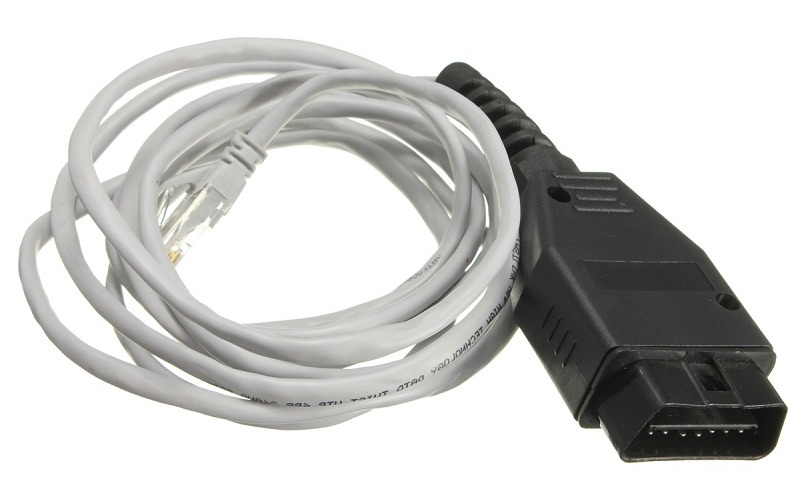
With the help of an OBD cable and a compatible scanner or diagnostic tool, mechanics, technicians, and vehicle owners can retrieve diagnostic information, read trouble codes, monitor real-time data, and perform various tests to diagnose and troubleshoot problems in the vehicle's engine, transmission, emissions system, and other components.
OBD cables and diagnostic tools have become essential in modern automotive repair and maintenance, enabling quicker and more accurate identification of issues, which can lead to faster and cost-effective repairs.
Do all cars have an OBD port?
Generally, Yes, the vast majority of cars manufactured after the mid-1990s are equipped with an On-Board Diagnostics (OBD) port. However, it's essential to note that the presence of an OBD port is not mandatory for all vehicles, especially older models or vehicles in certain regions with less stringent emissions regulations.
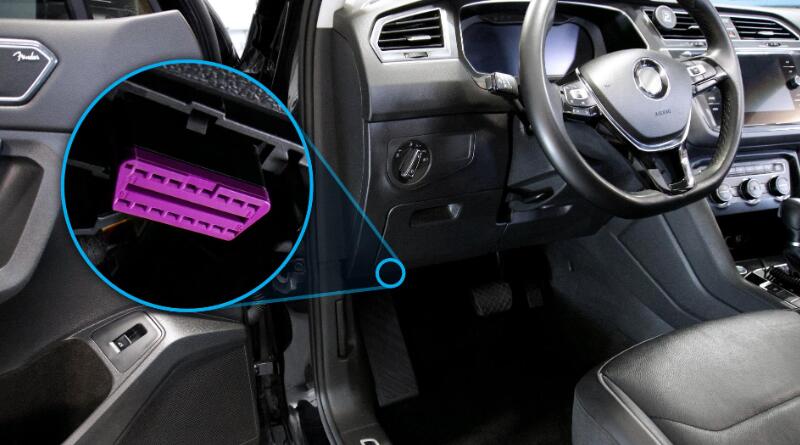
Here are some key points to consider:
-
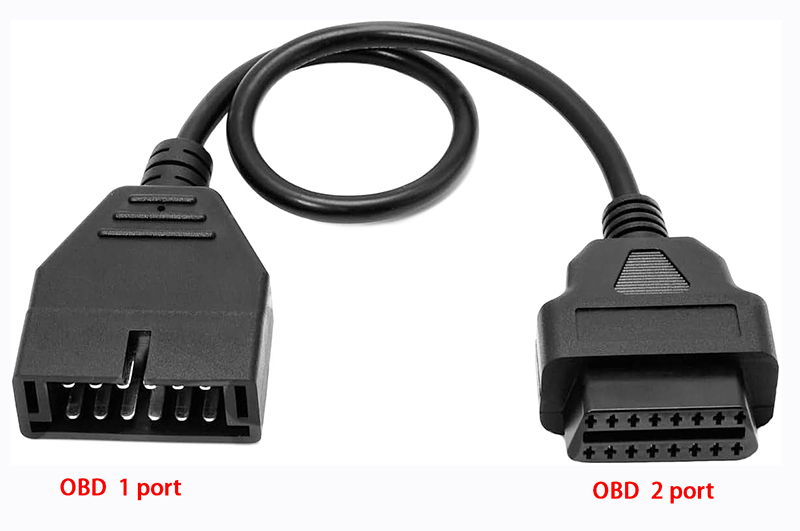
OBD-I vs. OBD-II: OBD-I was the first generation of on-board diagnostics systems, introduced in the early 1980s. It was not as standardized as OBD-II and varied significantly among different car manufacturers. OBD-I systems are less common in modern vehicles, and they might not have a standard OBD port. OBD-II, which became mandatory for all cars and light trucks sold in the United States in 1996, standardized the OBD system, and nearly all vehicles produced after that date have an OBD-II port.
-
Older Vehicles: Some older vehicles, especially those manufactured before the mid-1990s, might not have an OBD port at all. In those cases, diagnostics and repairs might require different methods or specialized tools specific to the manufacturer's diagnostic system.
-
Exemptions: Certain types of vehicles, such as motorcycles, off-road vehicles, or specific low-speed vehicles, may not be required to have an OBD port due to different regulatory standards.
-
Regional Differences: The requirement for an OBD port can vary by country or region, depending on local emissions and regulatory standards. In regions with less strict emission regulations, some vehicles may not have an OBD port.
-
Electric Vehicles: Electric vehicles (EVs) and some hybrids might have different diagnostic systems, and while they might have a diagnostic port, it could be specific to their own systems rather than OBD-II.
How do I know if my car is OBD1 or 2?
Determining whether your car is OBD1 or OBD2 is relatively straightforward. Here are the steps you can follow to find out:
-
Check the Model Year: The most common and straightforward method is to check the model year of your car. OBD1 systems were prevalent in vehicles manufactured before 1996, while OBD2 systems were mandated for vehicles manufactured from 1996 onward in the United States. If your car was made before 1996, it is likely OBD1. If it was made in 1996 or later, it is most likely OBD2.
-
Look for the OBD Connector: Physically locate the diagnostic connector in your car. The OBD1 and OBD2 connectors have distinct shapes and locations.
-
OBD1: The OBD1 connector can be a rectangular-shaped 12-pin or 16-pin connector, depending on the manufacturer. It is typically located under the dashboard on the driver's side. Some OBD1 connectors may have a cover that needs to be removed to access the pins.
-
OBD2: The OBD2 connector is usually a 16-pin trapezoidal-shaped connector and is also located under the dashboard on the driver's side. It is more common and standardized across all vehicles complying with OBD2 regulations.
-
-
Check the Emissions Label: On older vehicles, you might find an emissions label under the hood or near the engine bay. This label might specify the OBD compliance of the vehicle, indicating whether it is OBD1 or OBD2.
-
Consult the Owner's Manual or Vehicle Documentation: The owner's manual or any vehicle documentation provided by the manufacturer might indicate the OBD system used in your car.
-
Use an OBD Scanner or Diagnostic Tool: If you have an OBD scanner or diagnostic tool, you can try connecting it to the OBD port in your car. The scanner will usually display the OBD system type when it establishes a connection.
If you cannot find the OBD connector or are uncertain about the OBD system in your car, you can consult a qualified mechanic or automotive professional. They can help identify the OBD system and provide you with further guidance on diagnostics and repairs.
What does OBD stand for in a car?
The primary purpose of OBD is to identify and notify the driver or technician about potential issues or malfunctions in the vehicle's systems. When a problem is detected, the OBD system generates diagnostic trouble codes (DTCs), which are alphanumeric codes representing specific issues or faults. These codes help technicians diagnose the problem more efficiently and accurately.
OBD has evolved over time, with OBD-II being the most widely used standard. OBD-II systems became mandatory in most cars and light trucks sold in the United States since 1996 and are also widely used in many other countries. OBD-II has standardized diagnostic trouble codes, communication protocols, and connector types, making it easier to use with various diagnostic tools and scanners.
By connecting a compatible diagnostic tool to the OBD port in the vehicle, mechanics, technicians, and vehicle owners can access real-time data, read trouble codes, perform system tests, and diagnose issues in the engine, transmission, emissions system, and other important components of the vehicle. OBD plays a crucial role in modern automotive diagnostics and repair, making it easier to maintain and troubleshoot vehicles effectively.
Do OBD scanners work on any car?
OBD scanners are designed to work with most cars and light trucks manufactured after 1996 (in the United States) and with many vehicles worldwide. This is because the OBD-II standard was mandated in the U.S. from 1996 onward, and it became widely adopted internationally as well. OBD-II standardized the diagnostic system, communication protocols, and connector types, making it easier for scanners to interface with a broad range of vehicles.
However, it's important to keep in mind the following points:
-
OBD-I Compatibility: Before OBD-II, there was OBD-I, which varied significantly between different car manufacturers and models. OBD-I scanners were specific to each manufacturer's system, and they might not be compatible with all vehicles. If you have an older vehicle (pre-1996), you may need a specific OBD-I scanner, or in some cases, the vehicle might not be equipped with an OBD port at all.
-
Regional Differences: While OBD-II has become the standard in many countries, some regions may have different emissions regulations and standards. As a result, there might be some variations in the OBD systems and compatibility of scanners. However, most modern vehicles worldwide are equipped with OBD-II systems.
-
Electric Vehicles (EVs) and Hybrids: Electric and hybrid vehicles might have different diagnostic systems, and they may not be fully compatible with traditional OBD-II scanners. Some EVs and hybrids use different communication protocols and diagnostic codes. As a result, specialized scanners might be required for these vehicles.
-
Proprietary Systems: Some manufacturers might use their own diagnostic systems or proprietary communication protocols. In such cases, generic OBD-II scanners may not provide access to all vehicle-specific data or advanced functions.
-
Enhanced Functions: While most OBD-II scanners can read generic trouble codes and basic data, some advanced features and specific manufacturer codes may require more sophisticated or brand-specific scanners.
Can I use my phone as an OBD2 scanner?
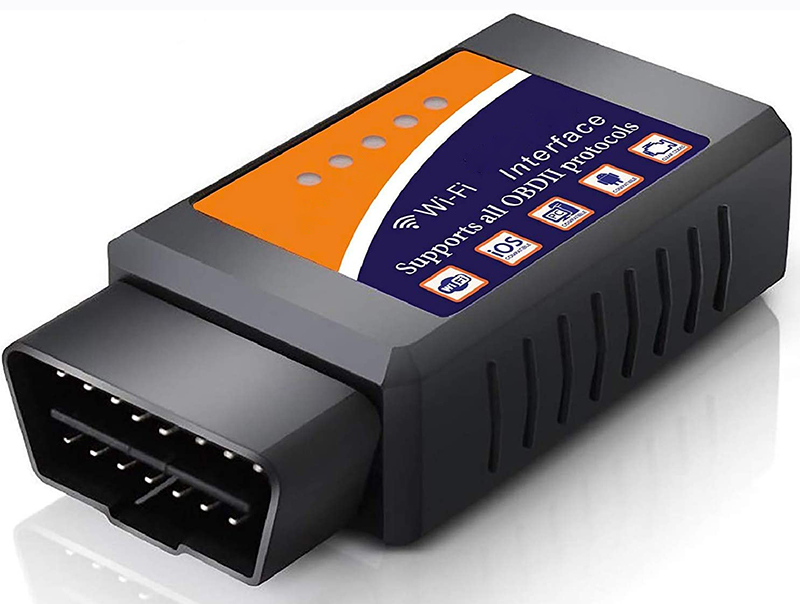
Yes, you can use your phone as an OBD2 scanner with the help of a compatible OBD2 adapter or dongle. There are several mobile apps available for both Android and iOS devices that can connect to an OBD2 adapter via Bluetooth or Wi-Fi, turning your smartphone into a powerful diagnostic tool.
Here's how you can use your phone as an OBD2 scanner:
-
Get an OBD2 Adapter: Purchase an OBD2 Bluetooth or Wi-Fi adapter (sometimes called OBD2 dongle) that is compatible with your phone and vehicle. These adapters are small devices that plug into the OBD2 port in your car, usually located under the dashboard near the driver's side.
-
Install an OBD2 App: Go to your phone's app store (Google Play Store for Android or Apple App Store for iOS) and search for "OBD2 scanner" or "OBD2 app." There are several free and paid apps available. Some popular ones include Torque Pro (Android), OBD Fusion (iOS), and Car Scanner ELM OBD2 (both platforms).
-
Pair the Adapter: Turn on your car's ignition (or start the engine) and plug the OBD2 adapter into the OBD2 port. Then, enable Bluetooth or Wi-Fi on your phone and pair it with the OBD2 adapter. Some apps may require you to enter a PIN code to complete the pairing process.
-
Open the OBD2 App: Launch the OBD2 app on your phone. It should automatically detect the paired OBD2 adapter and establish a connection.
-
Diagnose and Monitor: Once the connection is established, you can use the OBD2 app to read diagnostic trouble codes (DTCs), monitor real-time data from various sensors in your car, check vehicle performance, and access other useful information about your vehicle's health.
Please keep in mind the following:
- Ensure that the OBD2 adapter you choose is compatible with your vehicle and phone's operating system.
- Some advanced features and functions may require a paid version of the app.
- While OBD2 apps can provide valuable information, they may not have all the advanced capabilities of professional diagnostic tools used by automotive technicians.
Using your phone as an OBD2 scanner can be a convenient and cost-effective way to monitor your vehicle's health and diagnose basic issues. However, for complex problems or if you are unsure about a specific issue, it's always best to consult with a qualified mechanic or technician for a thorough diagnosis and repair.
Hooha Harness introduction
Hooha Harness is a reliable and experienced wire harness manufacturer based in China. With over 20 years of experience in customizing wire harnesses, they specialize in creating custom auto wire harnesses and OBD II cables. They follow the IPC/WHMA-A-620 standard to ensure high-quality products that meet industry standards. Hooha Harness guarantees that all their wire harnesses undergo a 100% continuity test before being shipped out to customers. This ensures that every product meets the highest quality standards possible. Additionally, they have received IATF16949, ISO9001, and UL certificates which further demonstrate their commitment to producing top-notch products.
Their expertise lies in creating custom automotive wire harnesses as well as molded cable harness assemblies. They offer OEM and ODM services for those looking for customized solutions tailored specifically to their needs. If you're interested in working with Hooha Harness, simply send them your wire harness drawing and they'll provide you with a free quote. Their team of experts will work closely with you throughout the entire process to ensure your satisfaction with the final product.
How to custom your own wire harness?
Send your sample or drawing/schematic for quote price→ Feedback with quotation(1~3 days) → Confirm quotation → Arrange sample you for approval→ [Make mold if needed (7 days) →Mold test] → Making samples(1~3 days)→Samples test(Approval) →place order for Mass production(2~3 weeks)→Quality checking→Packing →Delivery →After Service →Repeat Order.
