Types of Wire Harness Components
What components does the wire harness have?
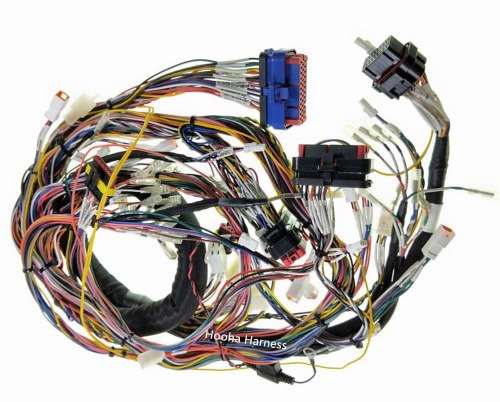
Wire harnesses are collections of electrical wires, cables, and subassemblies covered by exterior sheaths that are used to connect devices to their power source. Their sheaths both protect the internal components from environmental hazards—such as physical damage and moisture—and organize them. The key components of wire harnesses include:
- Connectors
- Terminals
- Wires
- cables
- Switches
- Relay
- Fuse, Fuse holder, and fuse box
- Cable ties
- Cable Strain Relief
- Outer coverings
When choosing a wire harness, it's essential to remember each component's capacities to ensure your devices are powered safely. The following article outlines the types of components typically employed in wire harnesses and their selection considerations.
Types of Wire Harness Components
There are several types of wire harness components, each of which is available in multiple variations to suit different applications. These components include:
Wire and Cables
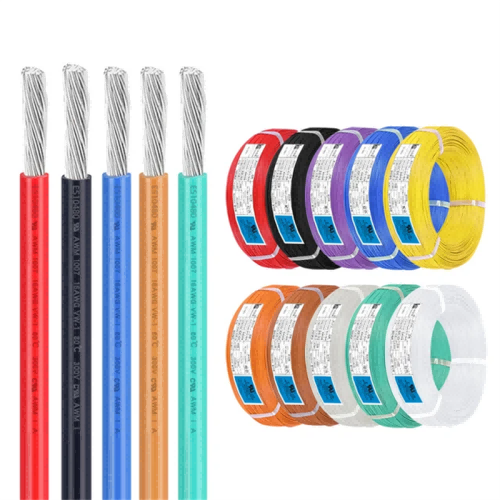
The wire carries the current or signal that powers a device. The wire's capacity needs to meet or exceed the voltage or bandwidth it's expected to transmit. Most wires are copper and can have a specially chosen coating.
Connectors
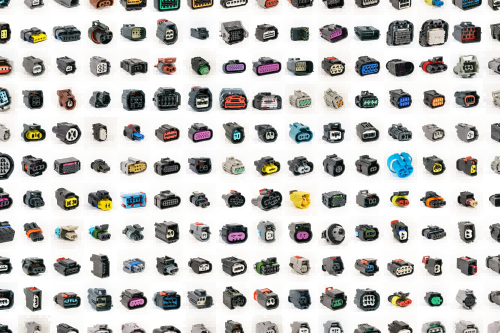
Wire connectors are available in several varieties and sizes to connect different types of wires. While they are usually plastic they can be made from a variety of elements including metal and ceramic.
Fuses
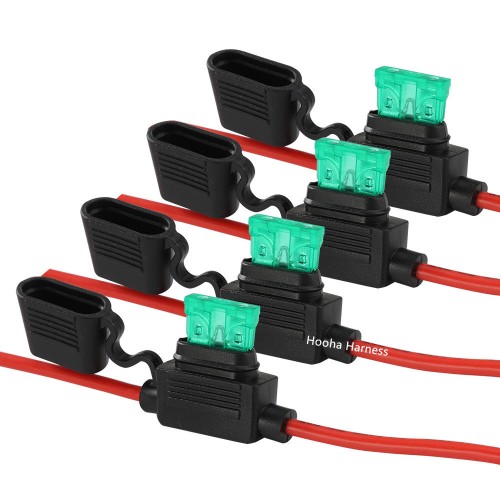
Fuses stop surges of power from overloading or damaging devices on the receiving side of the fuse. Different harnesses use different classes of fuses. They are generally rated for 32 volts or less and vary based on their amperage rating.
Cable Strain Relief
Cable strain relief is a technique or device used to protect cables from being damaged due to excessive strain or pulling forces. This is particularly important in situations where cables are subject to frequent movement, tension, or bending. Strain relief ensures that the electrical and mechanical integrity of the cable is maintained by preventing the transmission of stress to the cable's connection points, which could otherwise lead to damage or failure.
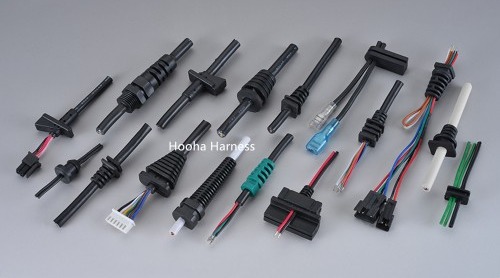
Outer coverings/Insulators
Also referred to as tubes and sleeves, insulators provide some degree of abrasion resistance, environmental protection, and protection from electrical shock. They can be made of various materials such as nylon or polyolefin.
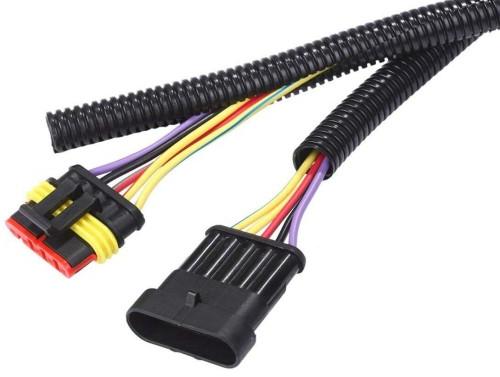
Relays
Relays turn higher amperage circuits on or off. This quality allows harnesses to power multiple things. Like fuses, they vary based on amperage requirements.
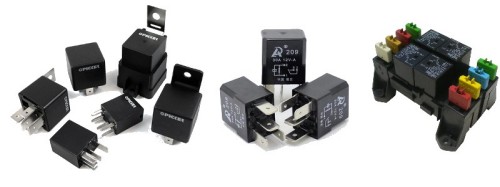
Switches
switches are electrical components used in many electric devices like vehicles to control various functions and systems, such as lights, windows, heating, and more. They serve as the interface between the driver and the vehicle's electrical systems, enabling the driver to activate or deactivate specific functions. There are various types of automotive switches, each designed for specific applications and environments within a vehicle.
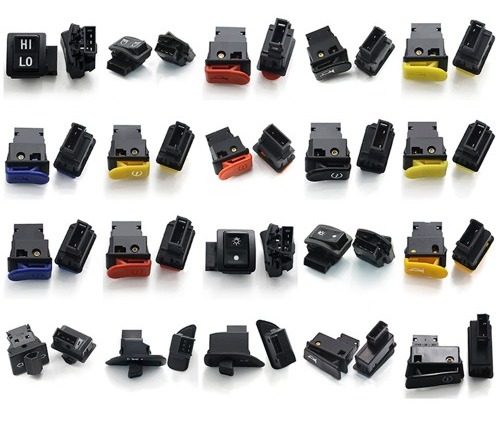
Terminals
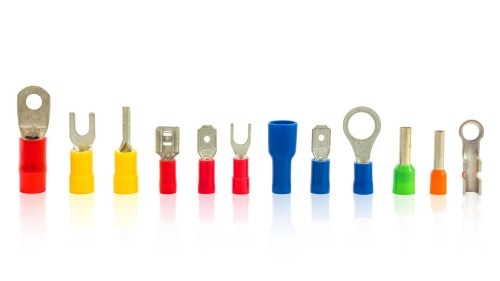
Terminals are the metal parts that are attached to the end of the wire to be inserted into the connector or to be attached to a point on the connecting equipment.
Cable Ties
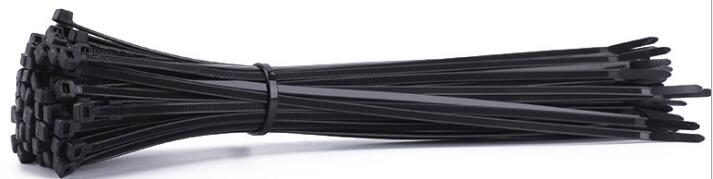
Cable ties and clamps keep the wires inside of the harness attached to a stream of wires in a particular direction. It can also be used to attach to a structure at fixed points to minimize movement.
Industries Served by Wire Harnesses
Wire harnesses play an essential role in almost every industry. Some of the most common industries that use wire harnesses include:
- Aerospace
- Automotive
- Electronics
- Household appliances
- Manufacturing
- Refrigeration
What to Look for in Wire Harness Components
When selecting a wire harness for a product or system, there are several factors to keep in mind. In addition to considering the working and environmental requirements of the application, industry professionals need to be aware of any applicable industry standards or requirements.
Qualities to Look for in Wire Harness Components
When choosing a wire harness, some of the component qualities to consider include:
- Type of wire (including material, length, and gauge)
- Sheath, conductor, and insulation material
- Voltage and current capacities
- Organization of the assembly (especially orientation and EMI canceling design features)
- Environmental capabilities (e.g., indoor/outdoor, resistance to moisture, chemicals, heat)
- Safety certification (for all applicable safety and industry-specific regulations)
Wire Harness Assembly Solutions from Hooha Harness Company
At hooha wire&cable products company, we specialize in supplying wire harnesses for various industrial applications. Our services include:
- Harness subassembly prefabrication
- Integration and installation of wire or cable harnesses
- Component customization
- Wire processing, cutting, and stripping services
Our company is UL-listed, IPC/WHMA-A-620, and ISO 9001:2008 certified. Every product solution comes with quality inspection, documentation, and special packaging services, so you know the wire harness is built for long-lasting performance. For more information about our wire harness assemblies and services, visit our capabilities page. To learn more or to partner with us on your next project, contact us or request a quote.
