Understanding the Installation Costs of Wiring Harnesses
Introduction
Wiring harnesses are essential components in various industries, including automotive, medical, industries, and electronics. They consist of a bundle of wires, connectors, and terminals that facilitate the transmission of electrical signals and power between different components of a system. While the cost of the wiring harness itself is a significant consideration, it is equally important to understand the installation costs associated with these complex systems. In this article, we will explore the factors that contribute to the wiring harness installation cost and provide insights into the installation process.
Factors Affecting Wiring Harness Installation Costs
- Complexity of the System
- Labor Charges
- Harness Length and Routing
- Integration with Other Components
- Prototyping and Customization
- Quality Assurance and Testing
- Environmental Considerations
- Spare parts
1. Complexity of the System
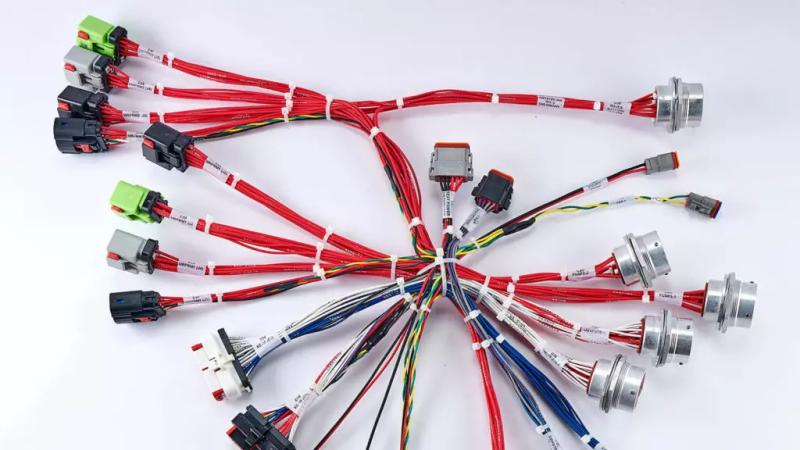
The wiring harness system is a critical component in modern vehicles, as it connects all the electrical and electronic components together. The complexity of this system can vary greatly depending on the type of vehicle and its features. For example, luxury cars may have more advanced entertainment systems, climate control units, and safety features that require additional wiring.
The installation cost of the wiring harness system is directly proportional to its complexity. A simple system with fewer wires and connectors will be easier to install than a complex one with multiple routing paths. In addition to labor costs, there may also be additional expenses for specialized tools or equipment needed for installation.
To reduce installation costs, manufacturers are constantly looking for ways to simplify the design of their wiring harness systems without compromising functionality or safety. This includes using modular designs that allow for easy assembly and disassembly during maintenance or repairs.
2. Labor Charges
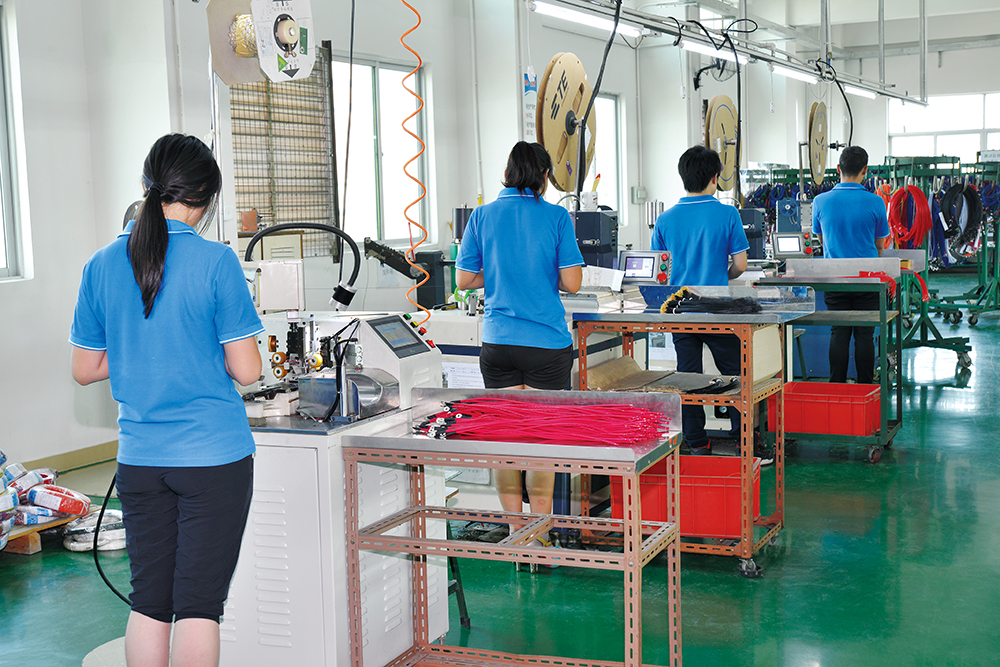
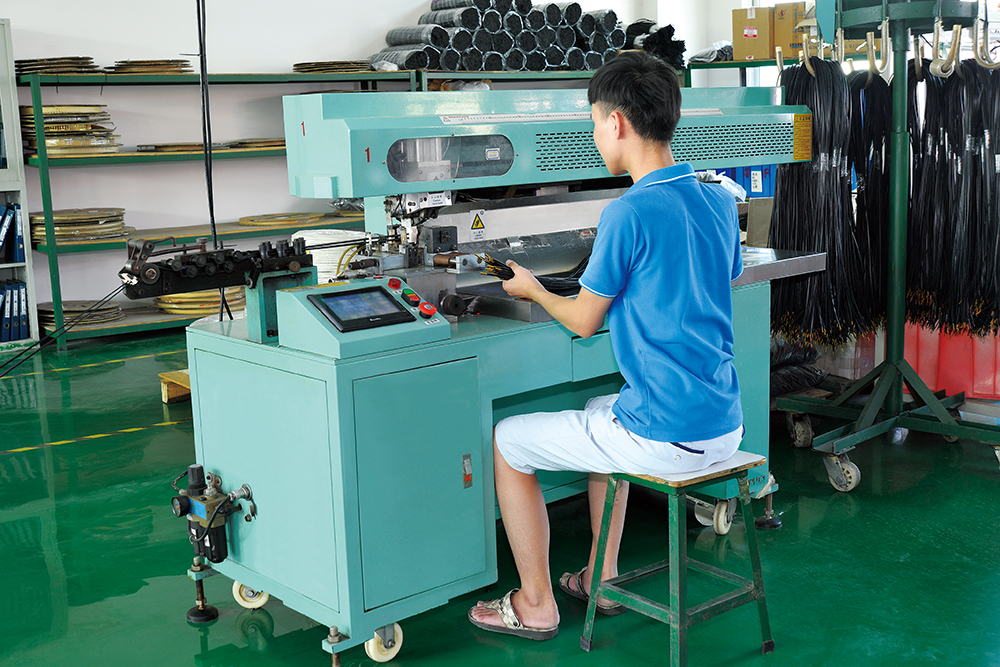
Skilled labor is required to carry out the whole wire harness processing, which involves various technical aspects such as wire-cutting machine adjustment, wire and terminal crimping test, routing, molding, and soldering, etc. The technicians performing the installation must have extensive knowledge and experience in their respective fields to ensure that everything is done correctly.
The efficiency and quality of the work performed by the technicians directly impact the labor charges associated with the installation process. If they are experienced and skilled, they can complete the job quickly and efficiently, reducing overall costs. On the other hand, if they lack expertise or make mistakes during manufacturing, it can lead to delays and additional expenses.
Moreover, safety is also a critical factor during manufacturing. Technicians must follow strict guidelines to ensure that all components are installed correctly without posing any risk to people or property. Any errors made during this process could result in serious consequences such as breaks or hurt hands.
3. Harness Length and Routing
The length of the wiring harness is a crucial factor in determining the efficiency and effectiveness of any electrical system. Short wire can be cut and stripped or tinned or crimping terminal by using automatic machines, while longer wires may not be processed by automatic machines, it has to be cut by hand one by one. As for the longer harnesses, they require more time and effort to install, which can increase the overall cost of production. Additionally, longer wiring harnesses may be more prone to damage during installation or use, which can lead to costly repairs or replacements.
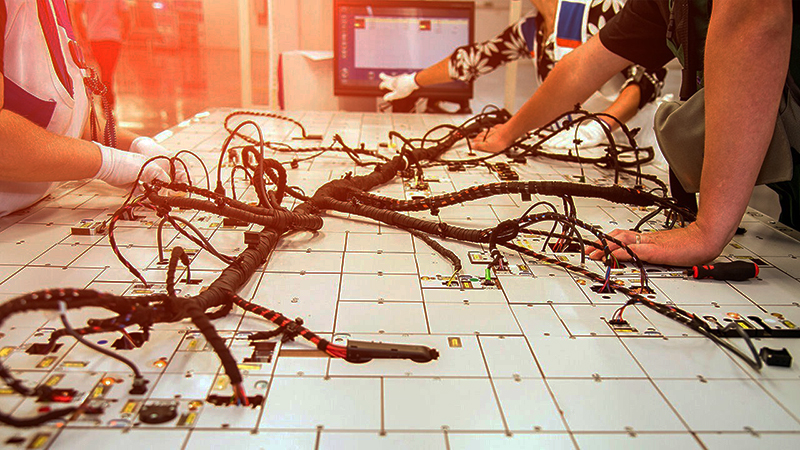
To ensure optimal functionality and longevity, it is important to carefully route and secure all wiring harnesses regardless of their length. This involves selecting appropriate materials for insulation and protection against environmental factors such as heat, moisture, and vibration.
In some cases, custom-designed wiring harnesses may be necessary to meet specific requirements for a particular application. These specialized harnesses must be designed with precision and care to ensure that they function reliably under all conditions.
4. Integration with Other Components
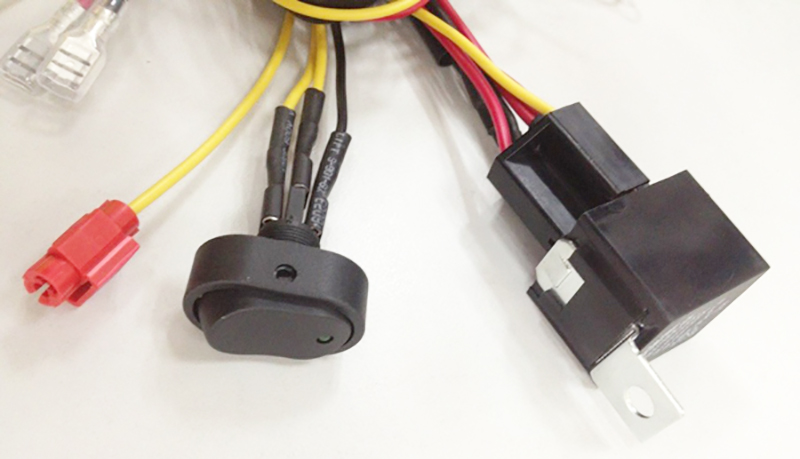
Wiring harnesses often need to be integrated with various components, such as sensors, switches, relays, fuse holders, PCB, and control modules. The complexity of integrating these elements into the system can impact the installation time and, consequently, the cost. Of course, the complete wiring harness is not only a combination of wire, terminal, and connectors, it certainly also needed these accessories, Adding these components will not extend the additional wiring harness production time, it is just some more processing steps. For example, if the harness needs an inline fuse holder, the processing is needed for crimping terminals, molding, and reassembling the fuse holder steps; One more example, your wiring harness needs to add a PCB board, it depends on how many wires needs to soldering to board, whether he needs to assemble the shell to protect, or directly molding to the PCB board, each processing step takes different time, the degree of difficulty is not the same, the proficiency of the staff will affect the overall processing cost.
5. Prototyping and Customization
In cases where a custom wiring harness is required, additional costs may be incurred for prototyping, design, and manufacturing. Customization involves tailoring the harness to specific system requirements, which may involve additional time and effort during the installation process.
6. Quality Assurance and Testing
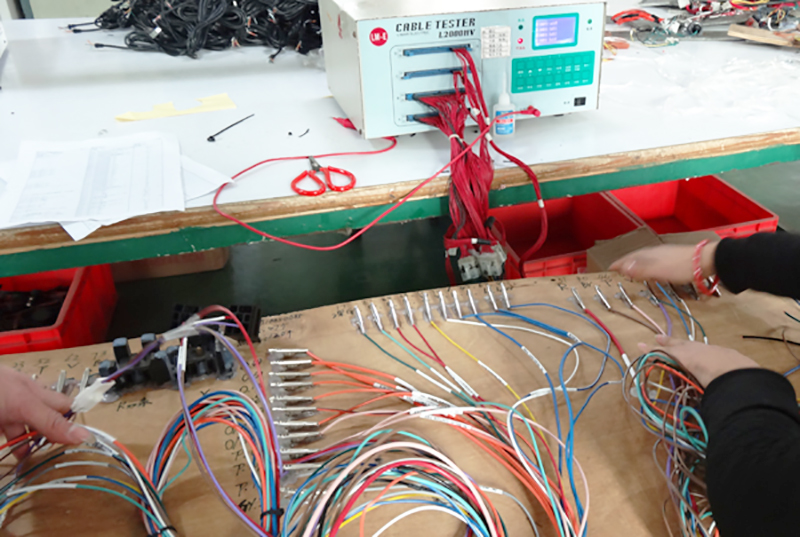
To ensure the proper functioning and reliability of the wiring harness, comprehensive testing and quality assurance procedures are necessary. These procedures can contribute to the overall installation cost. According to the requirements of the IATF16949 standard, you may know, the wiring harness may need to specify the PFMEA in advance, so that during the production process, especially in the first batch of secondary production, it may occur with some unexpected circumstances, resulting in production disruption and efficiency reduction, which will affect the overall production cost. For some high-precision wire harnesses, we will also test several times during the production process to ensure that the entire batch of orders does not produce defective products, and this repeated testing will also increase the cost.
7. Environmental Considerations
Certain applications, such as those in harsh environments or high-vibration areas, may require additional measures to secure and protect the wiring harness. Factors like weatherproofing, heat resistance, and vibration dampening may increase the installation cost.
8. Spare parts
If you were working at the factory, you must know that in the manufacturing process, it is impossible not to produce loss, before the start of production, debugging equipment needs to consume a part of the material, for example, before the terminal crimping, it needs to debug the crimping machine, technicians in the debugging process need the terminal to constantly test whether it meets the standard. In the production process, the test will also consume a part of the material, The inspector will also take some samples for testing; During the assembly process, some materials may be lost due to improper operation, which is an additional increase in material costs.
Conclusion
When considering the process cost of wiring harnesses, it is essential to account for various factors such as system complexity, labor charges, harness length, integration requirements, customization, quality assurance, and environmental considerations. Collaborating with experienced professionals and providing clear system requirements can help optimize the installation process and reduce costs. By understanding these factors, you can make informed decisions and effectively manage the installation expenses associated with wiring harnesses in different applications.
About Us
Hooha Harness is a professional custom wire harness manufacturer with more than 20 years of experience in harness manufacturing. We can effectively control all kinds of losses in the harness manufacturing process, and our skilled staff can skillfully operate cutting-edge automation equipment, which can help you reduce production costs. At the same time, we also cooperate with domestic first-class connector suppliers, they can provide products with the same quality as international brands, not only the delivery time is short, but the price is also very competitive. If you have a project that needs a custom wire harness recently, you can send me a drawing quotation, and we can provide samples to you to confirm whether the quality can meet your requirements.
How to customize your wire harness?
Send your sample or drawing/schematic for quote price→ Feedback with quotation(1~3 days) → Confirm quotation → Arrange sample you for approval→ [Make mold if needed (7 days) →Mold test] → Making samples(1~3 days)→Samples test(Approval) →place order for Mass production(2~3 weeks)→Quality checking→Packing →Delivery →After Service →Repeat Order.
