What is wire harness assembly?
Wire harness assembly is a process of creating a bundled arrangement of wires and cables that are used to transmit electrical signals and power between various components and devices in electrical and electronic systems. The purpose of a wire harness is to organize, protect, and route the wires efficiently, reducing the risk of damage, short circuits, and electrical interference.
Here's an overview of the wire harness assembly process:
-
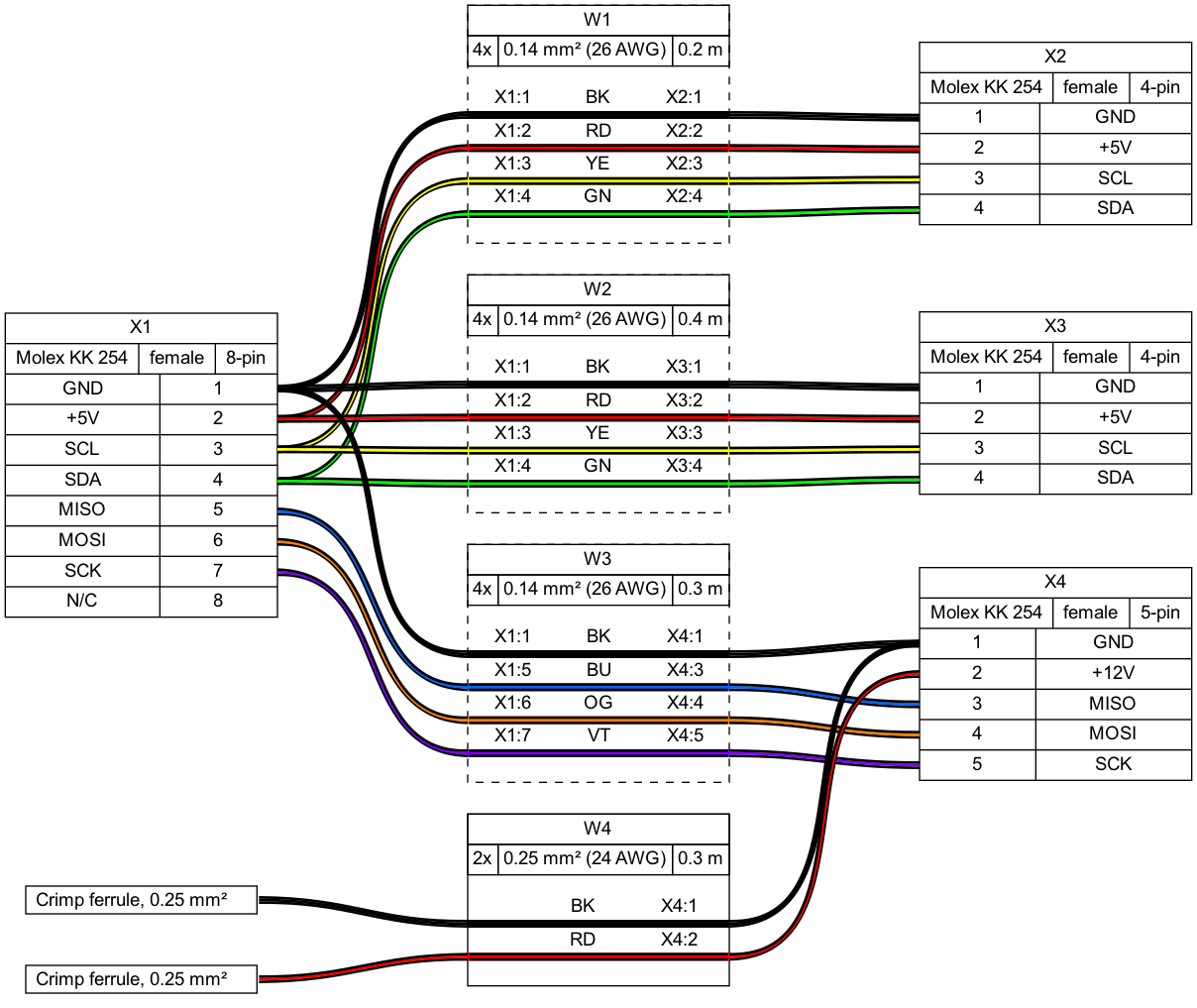
Design and Engineering: The process begins with designing the wire harness based on the specific requirements of the application. This involves determining the types and lengths of wires, connectors, terminals, and other components needed to establish connections between different parts of the system.
-
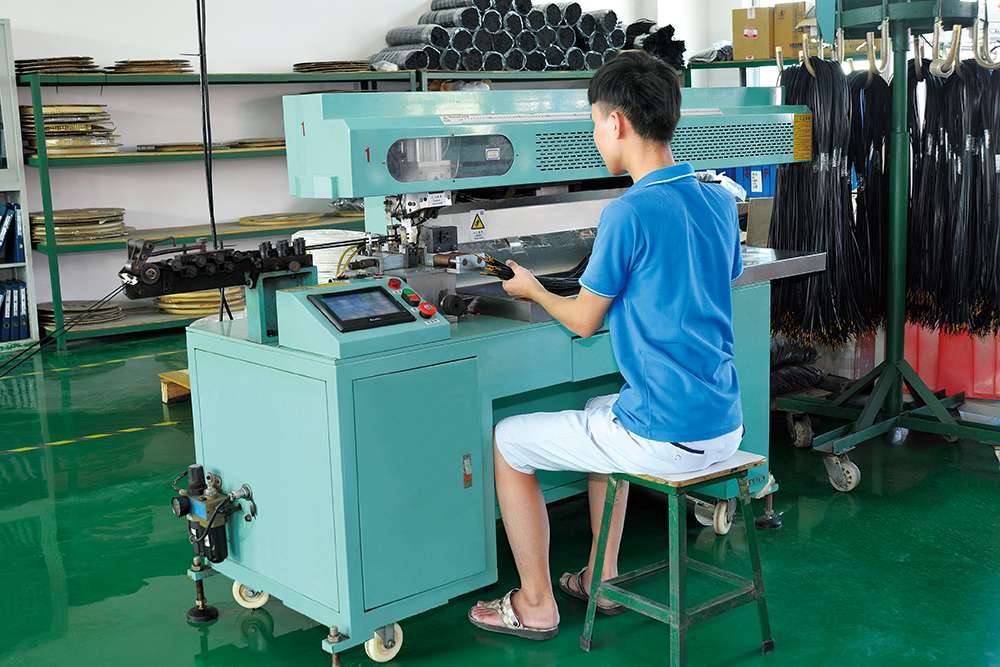
Wire Cutting and Stripping: Once the design is finalized, the wires are cut to the required lengths and stripped of their insulation at the ends. Stripping exposes the conductive metal inside the wires so that they can be properly connected to terminals and connectors.
-
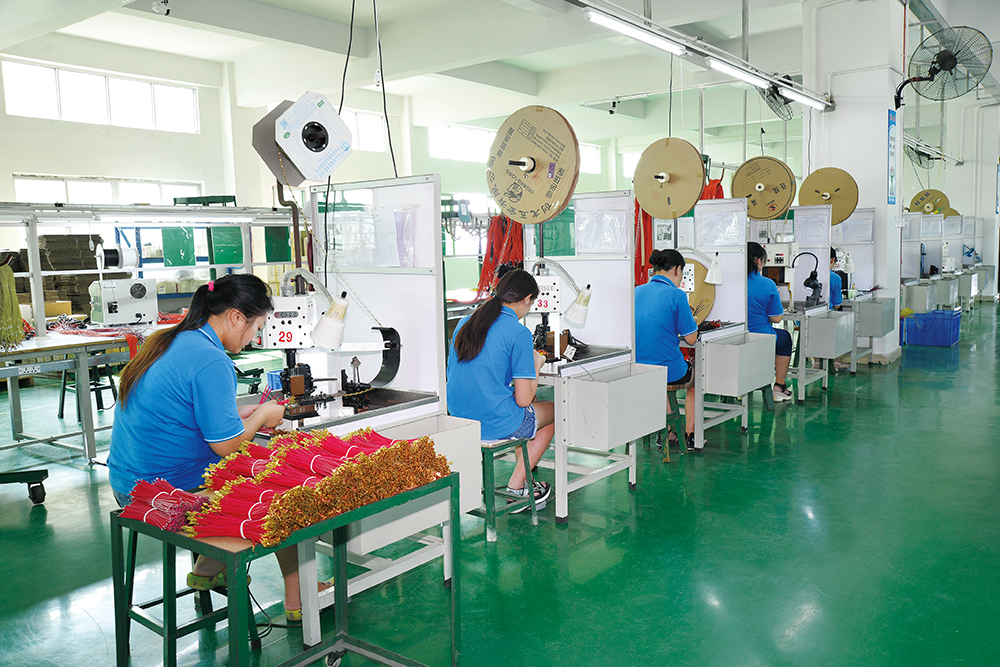
Crimping and Terminating: In this step, connectors and terminals are attached to the stripped ends of the wires. Crimping is a process that mechanically secures the terminal onto the wire, creating a reliable electrical connection.
-
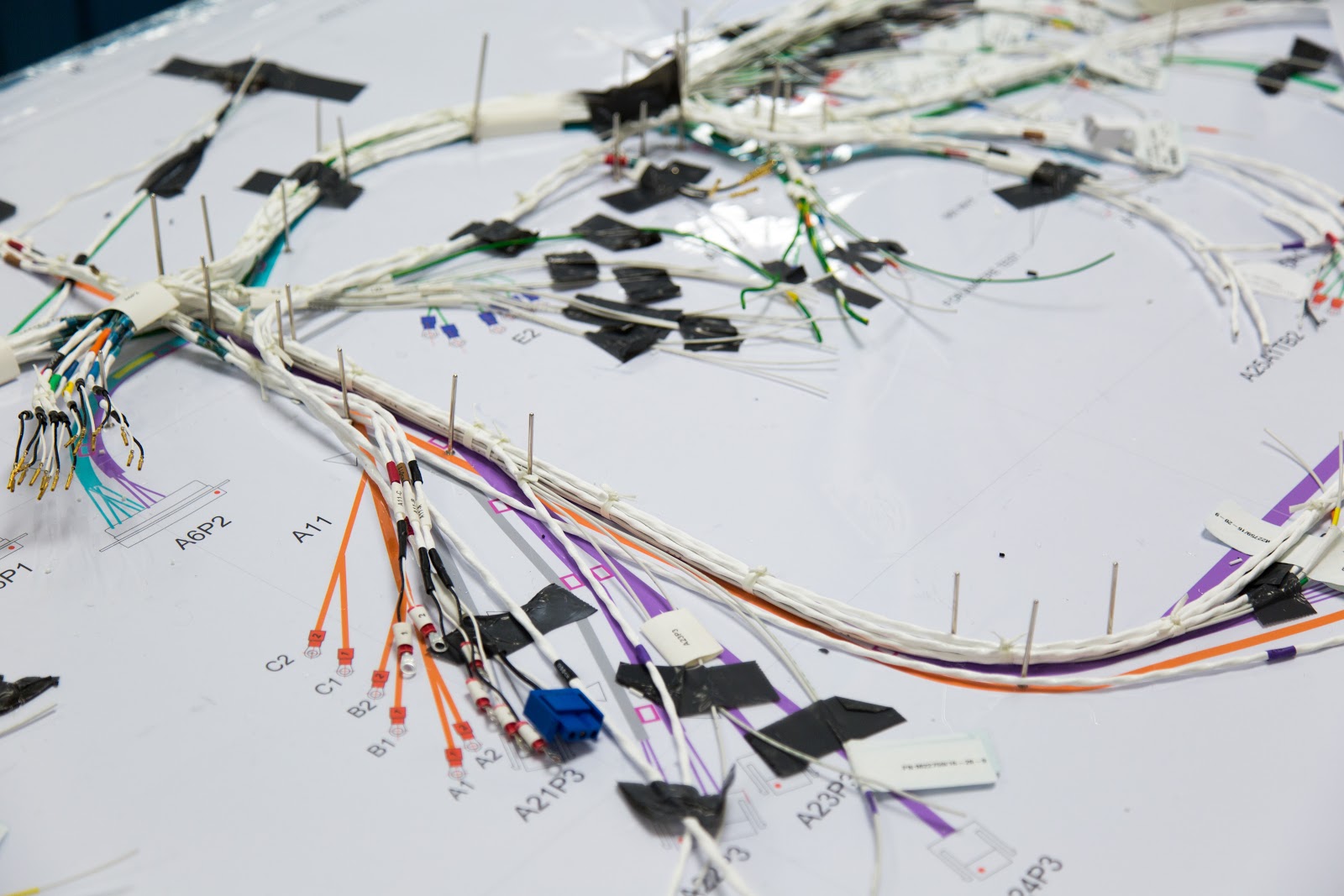
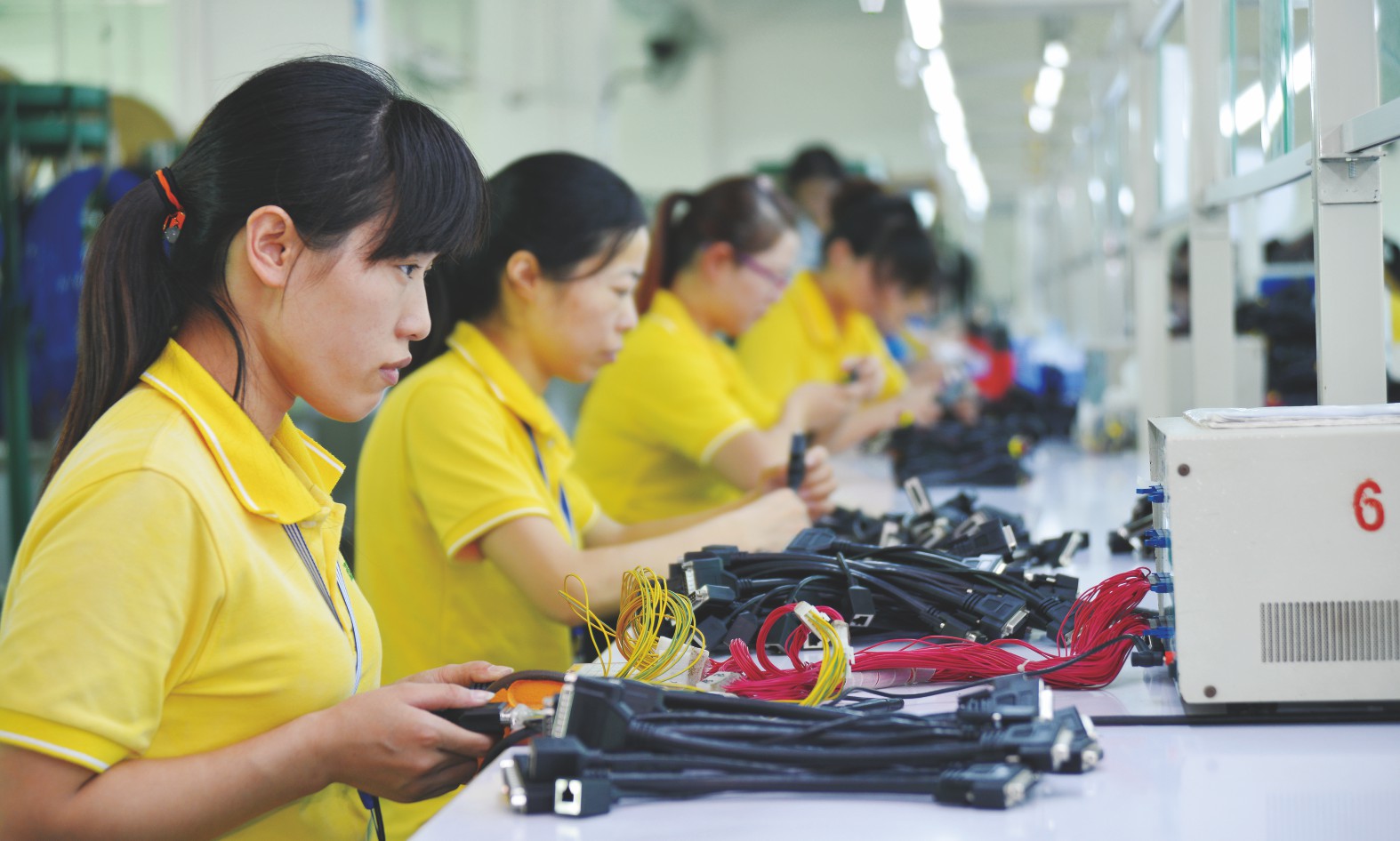
Assembly and Routing: The wires and connectors are then assembled and arranged according to the design specifications. The wires are routed through the harness, and various elements such as cable ties, conduits, and protective sleeves are used to hold the wires together and provide additional protection.
-
Testing and Quality Control: Before installation, the wire harness undergoes rigorous testing to ensure that all connections are secure and that there are no defects or faults in the assembly. Various electrical tests may be performed to check for continuity, insulation resistance, and proper functionality.
-
Installation: Once the wire harness assembly is verified and approved, it is installed in the target system or device. The harness is usually designed to fit neatly into the available space, avoiding any interference with other components.
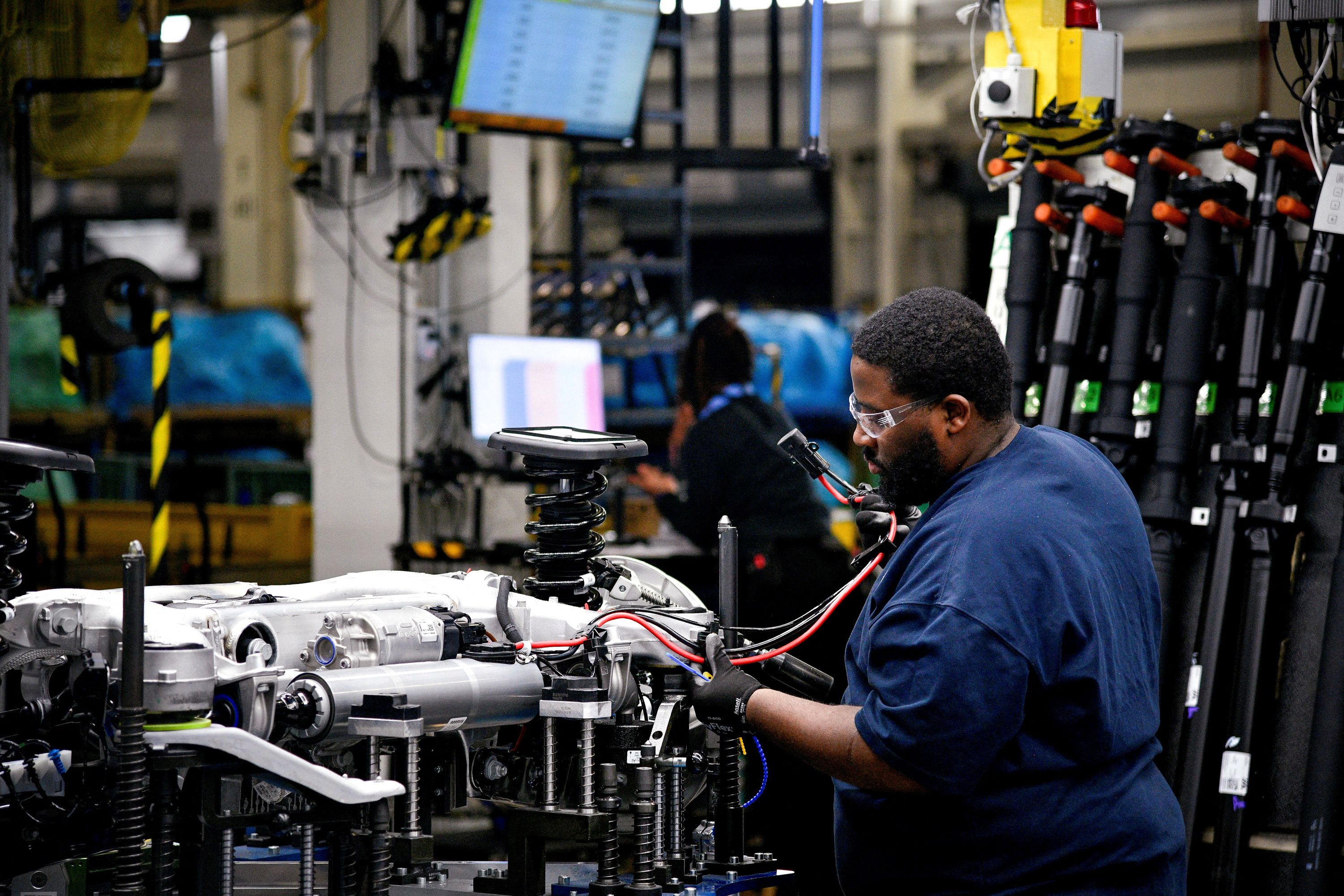
Wire harnesses are commonly used in a wide range of industries, including automotive, aerospace, electronics, telecommunications, and industrial equipment. They simplify the installation process, reduce the risk of wiring errors, and improve overall system reliability and performance.
Hooha Harness introduction
Hooha Harness is a reputable China factory that specializes in providing high-quality wire harness solutions. With our extensive experience of over 20 years in customizing wire harnesses, we have gained valuable expertise and knowledge in meeting the diverse needs of our clients. Our commitment to excellence is evident through our adherence to the IPC/WHMA-A-620 standard, ensuring that all our wire harnesses are manufactured with precision and meet industry specifications. To guarantee the utmost quality, we conduct thorough continuity tests on every single wire harness before it leaves our facility.
As a testament to our dedication to quality management systems, we have obtained prestigious certifications such as IATF16949, ISO9001, and UL certificates. These certifications validate our ability to consistently deliver reliable and compliant products.
At Hooha Harness, we specialize in custom automotive wire harnesses, molded cable assemblies, and power cables. Our team of skilled engineers works closely with clients throughout the design process to ensure that their specific requirements are met effectively. Whether you need a customized solution or require OEM or ODM services, we are fully equipped to cater to your unique demands. To get started on your project today or request a free quote for your wire harness drawing submission, please don't hesitate to contact us. We pride ourselves on delivering exceptional customer service and look forward to assisting you with all your wiring needs.
How to custom your own wire harness?
Send your sample or drawing/schematic for quote price→ Feedback with quotation(1~3 days) → Confirm quotation → Arrange sample you for approval→ [Make mold if needed (7 days) →Mold test] → Making samples(1~3 days)→Samples test(Approval) →place order for Mass production(2~3 weeks)→Quality checking→Packing →Delivery →After Service →Repeat Order.
