Cable Overmolded
What is overmolding?
Overmolding is an advanced injection molding process that combines multiple materials into a single integrated component for superior performance and design flexibility. The technique involves molding a flexible secondary material (such as TPE, silicone, or rubber) over a pre-formed rigid substrate (typically plastic) to create a seamless bond. This two-stage process begins with the formation of the rigid base component, followed by the injection of the overmold material which encapsulates or partially covers the substrate. The resulting composite part offers unique advantages including enhanced ergonomic grip, improved impact resistance, vibration dampening, and environmental protection against moisture, chemicals, and extreme temperatures.
Materials Used in Overmolding
Polypropylene (PP)
Polypropylene is a versatile thermoplastic prized for its exceptional chemical resistance and cost-effectiveness. Its excellent moisture resistance and fatigue properties make it ideal for components exposed to harsh environments. The material's balance of durability and affordability ensures reliable performance in demanding applications while maintaining budget considerations.
Acrylonitrile Butadiene Styrene (ABS)
ABS stands out for its remarkable impact strength and dimensional stability, making it a preferred choice for functional components. Its ease of machining and compatibility with various finishing processes (painting/plating) enhances its appeal for automotive and consumer goods. The material's structural integrity supports applications requiring both toughness and precision.
Polycarbonate (PC)
Polycarbonate offers unmatched optical clarity combined with exceptional mechanical strength, creating durable transparent solutions. Its inherent UV resistance and customizable flame retardant properties expand its suitability for protective applications. These characteristics make PC invaluable where visibility and damage resistance are simultaneously required.
Polyethylene (PE)
As a lightweight yet impact-resistant material, polyethylene provides reliable performance for flexible applications. Its chemical inertness and low friction coefficient make it particularly suitable for medical and packaging uses. The material's versatility spans from rigid containers to flexible films, demonstrating wide-ranging utility.
Thermoplastic Elastomers (TPE)
TPEs bridge the gap between rubber elasticity and thermoplastic processability, enabling efficient production of soft-touch components. Available in a broad hardness range, these materials facilitate design flexibility while remaining recyclable. Their unique properties support applications requiring both compliance and manufacturability.
Silicone Rubber
Silicone rubber excels in extreme temperature conditions while meeting stringent biocompatibility requirements. Its sterilization capability and hypoallergenic nature make it indispensable for medical and food-grade applications. The material maintains performance integrity across diverse thermal and chemical exposures.
Polyurethane (PU)
Polyurethane elastomers deliver superior abrasion resistance and energy absorption characteristics. Their customizable hardness and resistance to oils/greases suit demanding industrial environments. These properties make PU ideal for applications requiring durable, high-performance elastomeric solutions.
Application of overmolding
Overmolding services offer versatile manufacturing solutions that enhance product performance and durability across multiple sectors. This advanced process combines materials to create superior components with improved functionality.
Automotive Applications:
Overmolding technology plays a critical role in vehicle manufacturing, producing high-quality dashboard elements, precision sensors, ergonomic handles, and reliable electrical connection systems. These components benefit from increased durability and enhanced environmental resistance.
Medical Device Solutions:
The medical field utilizes overmolding to create instruments with superior tactile surfaces, contamination-proof electronic enclosures, and ergonomic handling systems for diagnostic tools and therapeutic devices. This ensures both patient safety and healthcare professional comfort.
Electronics Protection:
In consumer electronics, overmolding provides essential protective features for sensitive components. It creates robust cable management systems, connector housings, and wiring solutions that offer superior moisture protection, impact resistance, and long-term reliability.
Aerospace area
Overmolding plays a critical role in the aerospace industry, particularly in the manufacturing of advanced composite materials. Carbon fiber-reinforced composites, known for their exceptional strength-to-weight ratio (five times stronger than steel) and high stiffness, have become indispensable in aerospace applications. Through overmolding technology, reinforcing materials like carbon fiber can be precisely encapsulated within matrix materials such as resins, creating high-performance composite structures with superior mechanical properties.
Some parts of overmolded cable we made

Cable IP67 Rugged Controller
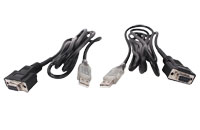
custom-molded-cables to USB
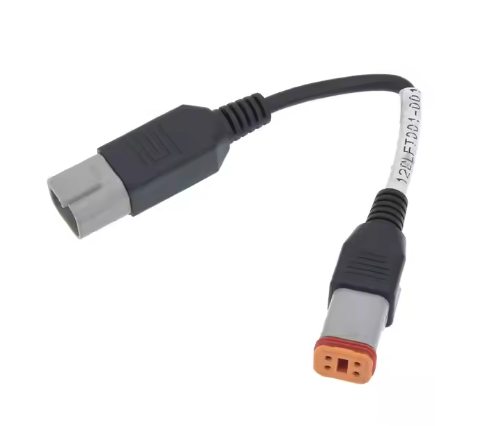
Deutsch DT Overmolded Connector
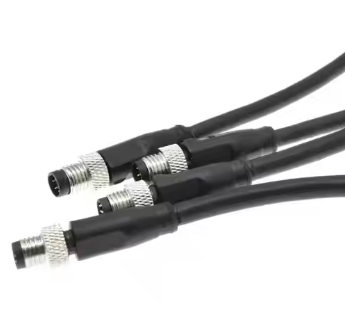
M8 overmolded connector cable
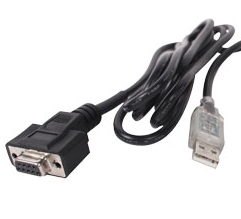
Overmolded D-sub cable
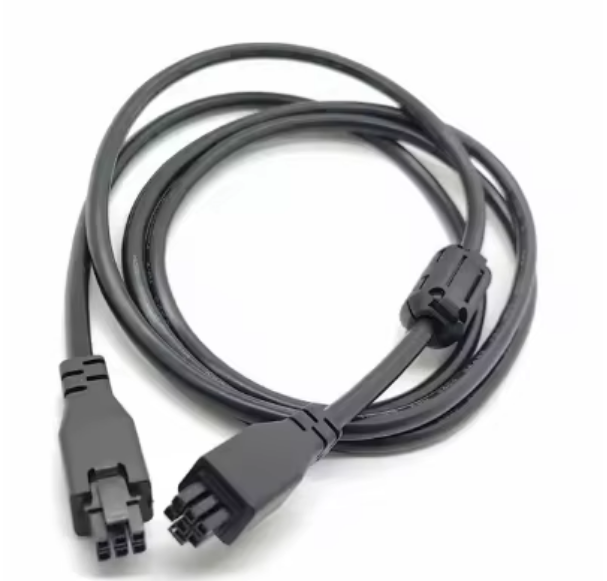
Overmolded Micro-Fit cable
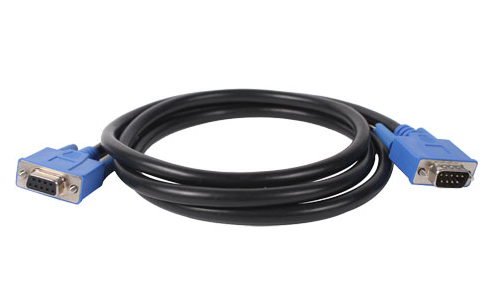
Overmolded HD 15 DSub Cable
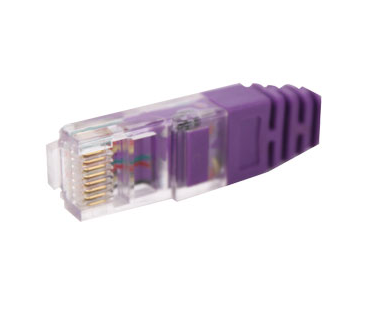
Overmolded RJ45 Loopback Connector
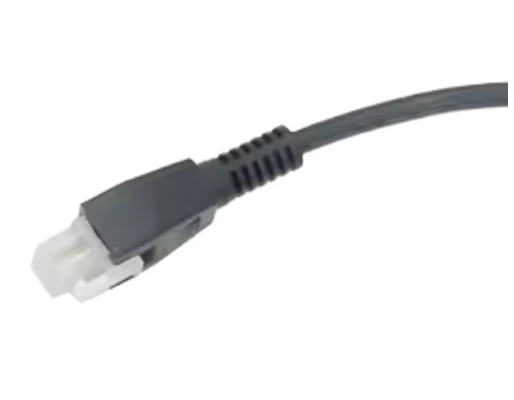
Overmolded Molex Mini-Fit
