An In-Depth Look at Wire Harness Drawing: A Comprehensive Example
Introduction
Wire harnesses are integral to the functionality of electrical systems, providing organized pathways for electrical signals and power distribution. Wire harness drawings play a crucial role in the design, manufacturing, and maintenance of wire harnesses. These drawings serve as visual representations of the wiring system, aiding in understanding, communication, and documentation. In this article, we will provide a comprehensive overview of different wire harness drawing types commonly used in various industries.
1. Schematic Diagrams
Schematic diagrams are fundamental wire harness drawings that depict the electrical connections between components in a simplified and abstract manner. They use standardized symbols to represent components such as switches, connectors, and wires, allowing engineers to conceptualize the electrical system without focusing on physical details. Schematic diagrams provide an overview of the system's functional relationships and are commonly used during the initial design and planning stages.

2. Wiring Diagrams
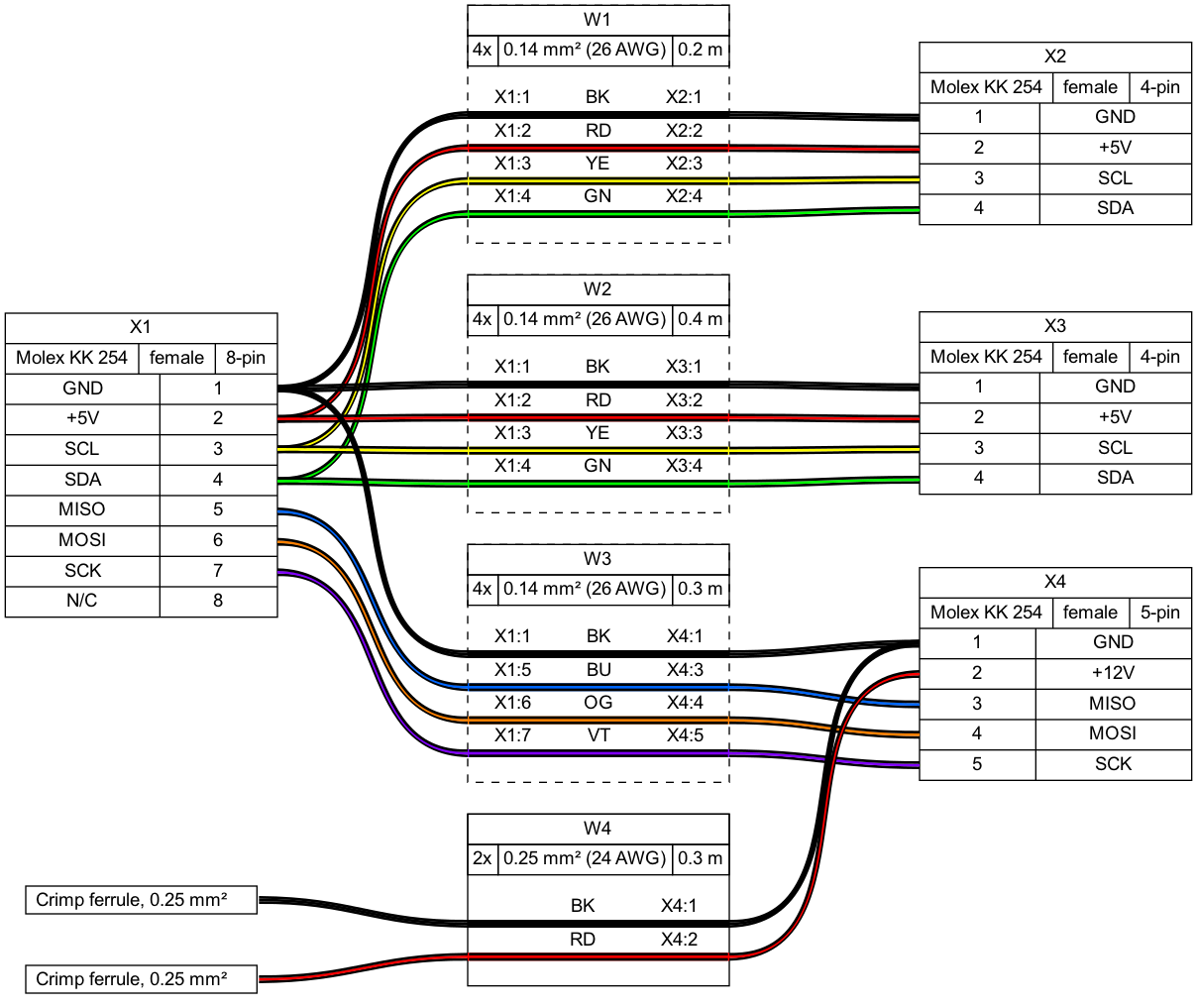
Wiring diagrams provide a more detailed representation of wire harnesses, illustrating the physical layout and connections of wires and components. They use actual images or pictorial representations of components, making it easier for technicians and electricians to identify specific elements within the harness. Wiring diagrams include information such as wire colors, pin numbers, and connector types, and often provide a step-by-step depiction of the harness assembly process. These drawings are essential for installation, repair, and troubleshooting activities.
3. Harness Assembly Drawings
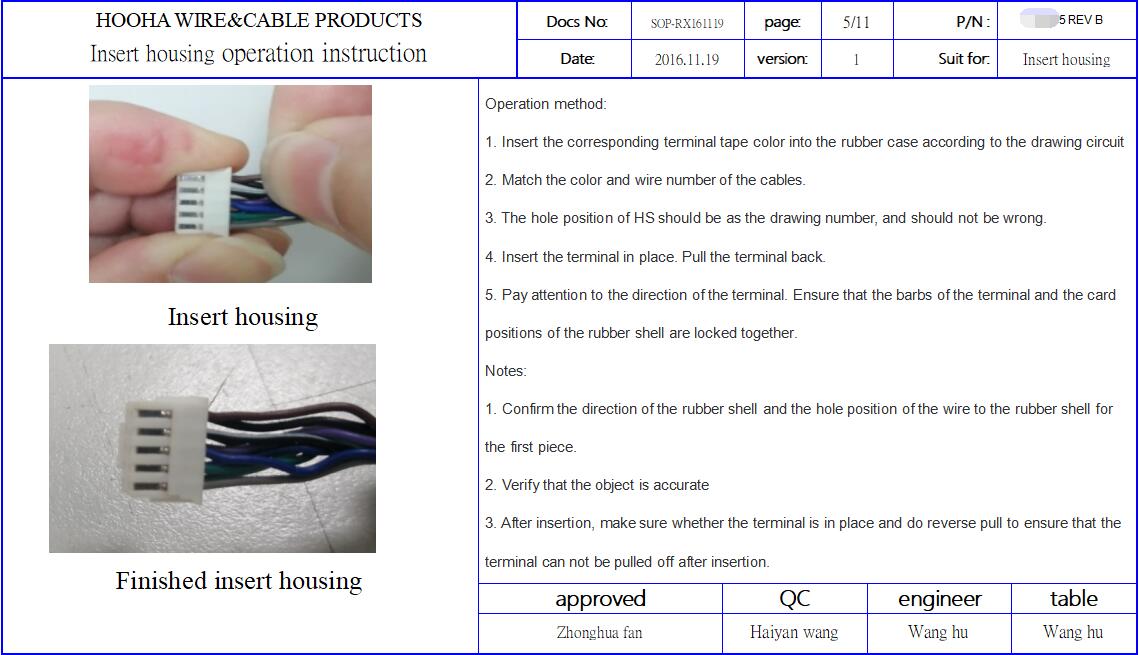
Harness assembly drawings offer a comprehensive view of the wire harness, showcasing its physical structure, component locations, and the routing of wires. They provide detailed information about the arrangement of wires, the bundling of cables, and the incorporation of connectors and terminals. Harness assembly drawings are typically created from different perspectives, such as top view, side view, or cross-sectional views, to facilitate manufacturing and assembly processes. These drawings ensure accuracy and consistency during production and help technicians understand the harness's physical characteristics.


4. Interconnect Diagrams
Interconnect diagrams focus on illustrating the connections between multiple wire harnesses or subsystems within a larger electrical system. They demonstrate how various harnesses interface with each other and with other system components. Interconnect diagrams are particularly important in complex systems found in industries like aerospace, automotive, or industrial automation. These diagrams aid in visualizing the overall system architecture, identifying interdependencies, and ensuring proper integration between subsystems.

5. Routing and Installation Drawings
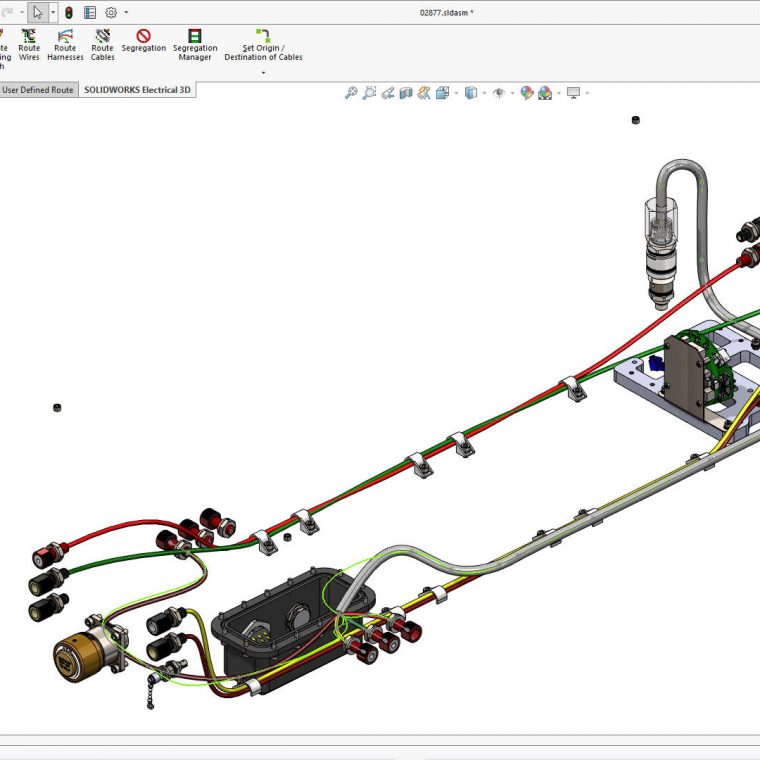
Routing and installation drawings provide detailed information on the specific routing paths and installation requirements of wire harnesses. These drawings incorporate factors such as the physical constraints of the installation environment, the avoidance of interference with other components or heat sources, and compliance with safety regulations. They may include detailed measurements, mounting guidelines, securing mechanisms, and information on clips or brackets needed for proper installation.
Conclusion
Wire harness drawing types serve various purposes throughout the lifecycle of an electrical system. From initial design and planning to manufacturing, installation, and maintenance, each type of drawing provides valuable information and contributes to the overall success of the wire harness. By understanding and utilizing these wiring harness drawing types, engineers, technicians, and manufacturers can ensure efficient and accurate implementation of electrical systems, leading to reliable and robust operation in a wide range of industries.
Hooha Harness wire harness drawing
No. 3 is our wire harness drawing layout, this is for in-house processing use. if you want to know more details, we can also send our drawing to you to confirm, and make sure every steps are correct. for harness assembly drawing, we don't need to know its function, or how to install to the applications, the only thing that we have to know is wire harness details including wire length, size/gauge, color, length, routings, connector brand, part number, other accessories like switch, relay, fuse holder, sensor, label, PCB, etc. and wrap materials if it has.
Hooha Harness is a leading manufacturer based in China, offering exceptional OEM and ODM services. With over 20 years of experience in customizing wire harnesses, we have gained extensive expertise in meeting the diverse needs of our clients. Adhering to the highest industry standards, we strictly follow the IPC/WHMA-A-620 standard during our manufacturing process. This ensures that all our wire harnesses are produced with the utmost precision and quality.
Our commitment to excellence is further demonstrated by our certifications including IATF16949, ISO9001, and UL certificates. These accolades validate our dedication to delivering products that meet international standards and exceed customer expectations. Specializing in automotive wire harnesses, data cables, and power cables, Hooha Harness offers a wide range of solutions for various industries such as automotive manufacturing, telecommunications, consumer electronics, and more. Our team of skilled engineers works closely with clients to understand their specific requirements and provide tailored solutions that optimize performance and reliability.
Contact us now for any inquiries or project collaborations. Simply send us your wire harness drawing or specifications, and our experienced team will promptly provide you with a free quote. At Hooha Harness, we strive to deliver superior products backed by excellent customer service – let us be your trusted partner for all your wire harness needs!
