RJ11 to D-sub 15-pin adapter
Introduction
RJ11 to D-sub 15-pin adapters bridge legacy telecommunications and computing equipment by converting modular telephone connectors (RJ11) to analog or serial interfaces (D-sub 15-pin). These compact adapters facilitate signal conversion between devices, such as modems, PBX systems, and vintage computers. The RJ11, with 4–6 pins, handles voice and data lines, while the D-sub, with 15 pins, supports VGA, serial control, or proprietary connections. They solve compatibility issues in industrial automation, telecom infrastructure, and retro computing setups. By enabling hybrid connectivity between old and new hardware, these adapters minimize rewiring costs and preserve functionality in specialized environments, such as connecting dial-up modems to industrial programmable logic controllers (PLCs) or integrating legacy peripherals with modern workstations.
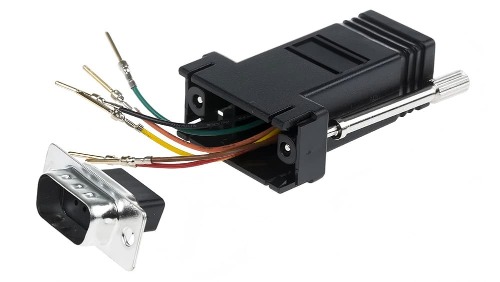
RJ11 to DB15 Male Adapter
This adapter features an RJ11 socket and a DB15 male plug (pins). It converts incoming telephone signals into outputs compatible with male D-sub ports, commonly used to interface devices such as modems or fax machines with equipment that requires direct pin-to-port connections. Its robust housing ensures stable signal transmission, making it ideal for telecom panels or retro gaming consoles that require VGA-level conversions.
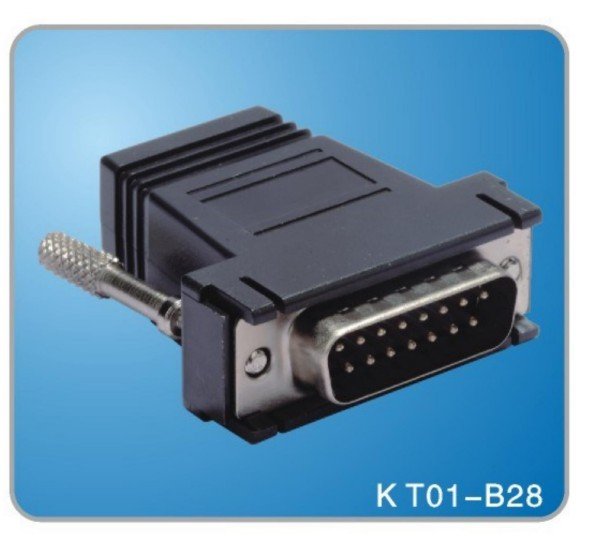
RJ11 to DB15P Male - Black
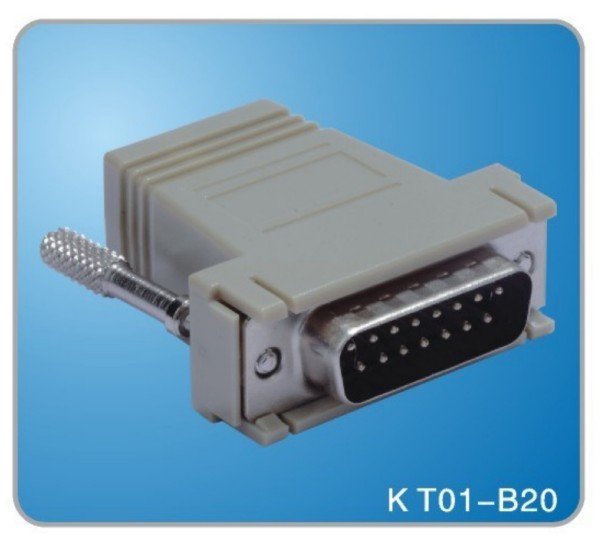
RJ11 to DB15P Male - Grey
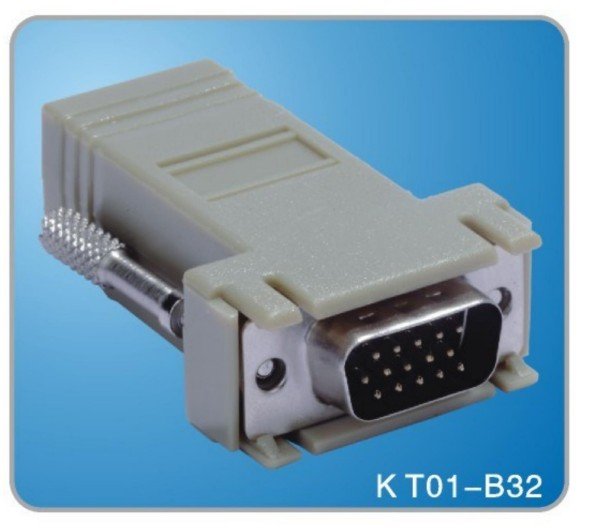
RJ11 to VGA Male
RJ11 to DB15 Female Adapter
Equipped with an RJ11 socket and a DB15 female port (receptacle), this variant accepts male D-sub cables, enabling devices with fixed serial ports (e.g., industrial sensors) to integrate with RJ11-based systems. Applications include routing control signals through PBX systems or adapting serial peripherals to telephone line interfaces, with EMI shielding to prevent data loss in high-interference environments.
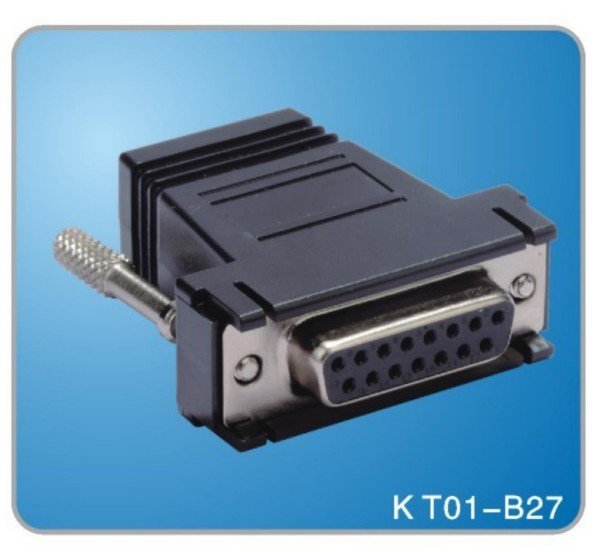
RJ11 to DB15P Female - Black
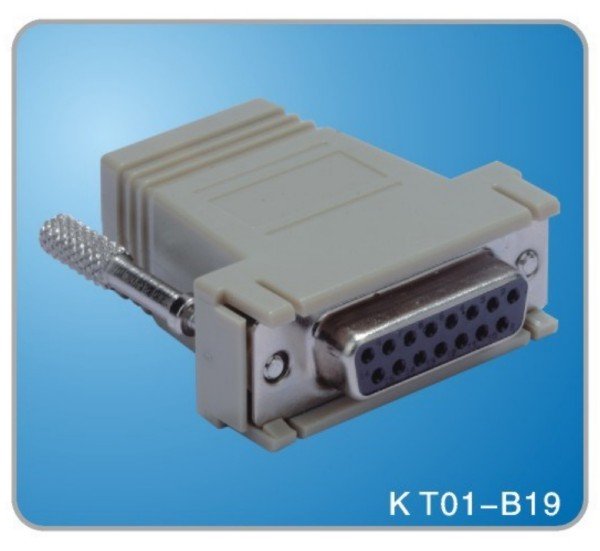
RJ11 to DB15P Female - Grey
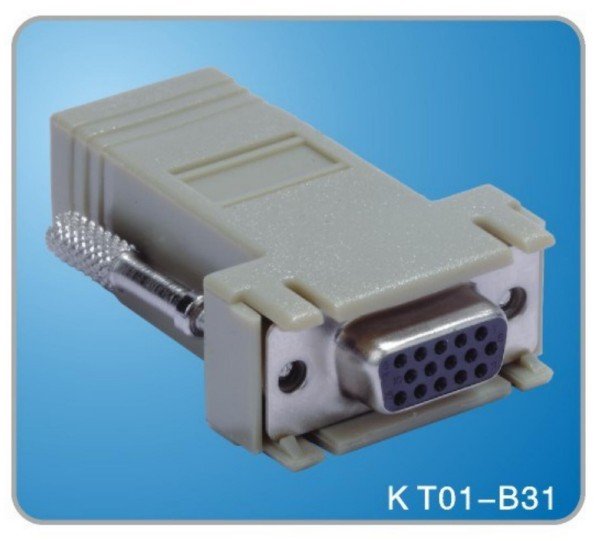
RJ11 to VGA Female
Applications
RJ11 to D-sub 15-pin adapters serve niche but critical roles in cross-generational hardware integration. Their primary function is to facilitate communication between analog and digital systems, particularly when proprietary pinouts or legacy interfaces are in use. Typical scenarios include retrofitting telecom infrastructure, maintaining industrial machinery, and preserving vintage computing setups without hardware modifications. Below are key use cases categorized by adapter type.
RJ11 to DB15 Male Adapter
- Connecting dial-up modems to legacy VGA monitors for terminal emulation.
- Integrating PBX telephone systems with serial-controlled security panels.
- Interfacing fax machines with industrial PLCs for status reporting.
- Linking retro gaming consoles to CRT monitors via custom VGA adapters.
- Routing audio signals from telephony devices to broadcast mixers.
RJ11 to DB15 Female Adapter
- Adapting serial mice/keyboards for vintage computers using phone-line extensions.
- Connecting environmental sensors (DB15 output) to RJ11-based alarm systems.
- Extending RS-232 control lines from CNC machines to modem backups.
- Interfacing medical devices (e.g., ECG monitors) with telecom recording systems.
- Enabling legacy CAD plotters to receive data via telephone line inputs.
Wiring Diagram
General Schematic (simplified), RJ11 Pins (6P4C) → DB15 Mapping:
- Pin 1 (Tip) → DB15 Pin 10 (e.g., Green VGA)
- Pin 2 (Ring) → DB15 Pin 1 (e.g., Red VGA)
- Pins 3–4 → Ground/Shield (DB15 Pins 5/9)
Note: Pinouts vary by protocol (VGA, RS-232, proprietary). For custom wiring diagrams tailored to your hardware, contact our engineering team.
Conclusion
RJ11 to D-sub 15-pin adapters are indispensable tools for sustaining legacy systems amidst evolving technology. They seamlessly merge telephony and serial communications, eliminating the need for costly equipment replacements in sectors like manufacturing, telecommunications, and retro computing. The male variant excels in direct device-to-device connections, while the female type offers flexible cabling for peripherals. Despite niche applications, their role in prolonging hardware lifespans and enabling hybrid workflows underscores their value. For optimal performance, users should verify pinout compatibility and employ shielded models in electrically noisy settings. As the industry transitions toward digital interfaces, these adapters remain vital for maintaining operational continuity in specialized environments.
