RJ11 to D-sub 9Pin Adapter
Introduction
An RJ11 to D-sub 9-pin adapter facilitates communication between devices using RJ11 connectors (common in serial data or telecom) and D-sub 9-pin ports (RS-232 standard). These adapters are essential for integrating legacy systems—such as industrial sensors, barcode scanners, or telecom equipment—with modern computers or controllers. The RJ11’s 4-6P modular jack is mapped to the D-sub’s critical pins (TxD, RxD, GND), though wiring varies by device, demanding careful configuration. Designed exclusively for serial data (not analog voice), they bridge older hardware to RS-232 interfaces, enabling compatibility in automation, diagnostics, and retrofitting. Their functionality relies on voltage alignment and precise pinout mapping, as RJ11 lacks standardization for serial use. These niche adapters are vital for preserving obsolete technologies in evolving industrial, medical, and telecom ecosystems.
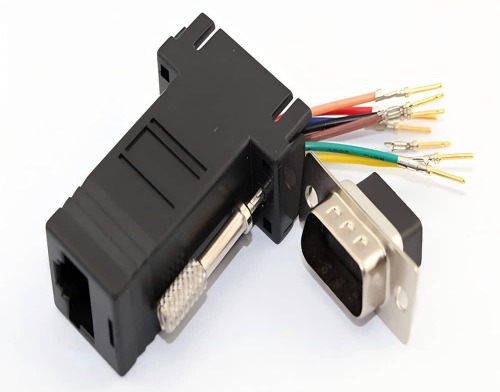
RJ11 to DB9 Male Adapter
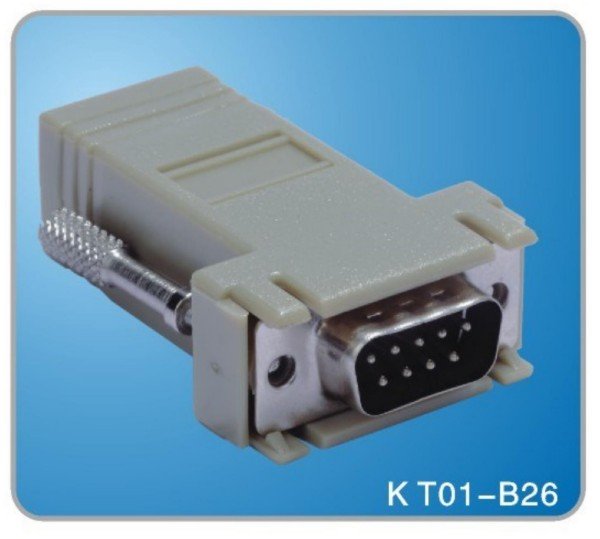
RJ11 to DB 9P Male Assembly Type
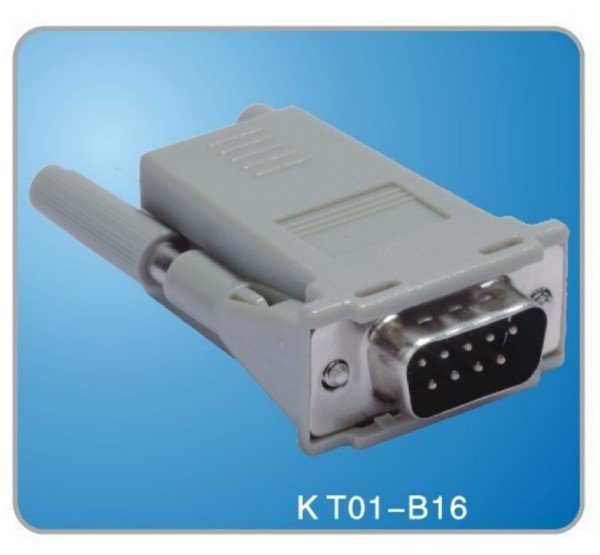
RJ11 to DB 9P Male Overmold Type
This adapter features a male D-sub 9-pin connector (pins) designed to plug into female ports on computers, PLCs, or serial interfaces. Compact and often pre-wired for common devices like Cisco console cables, it supports industrial automation, PLC programming, and data logging. Applications include connecting barcode scanners to PCs, configuring medical devices, or retrofitting telecom analyzers to RS-232 systems.
RJ11 to DB9 Female Adapter
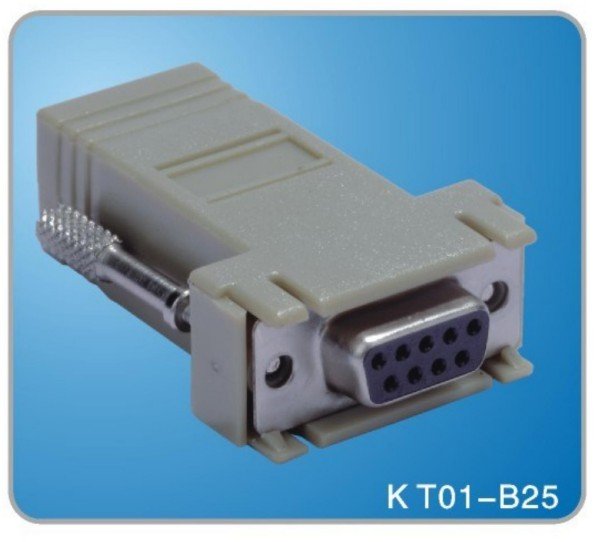
RJ11 to DB 9P Female Assembly Type
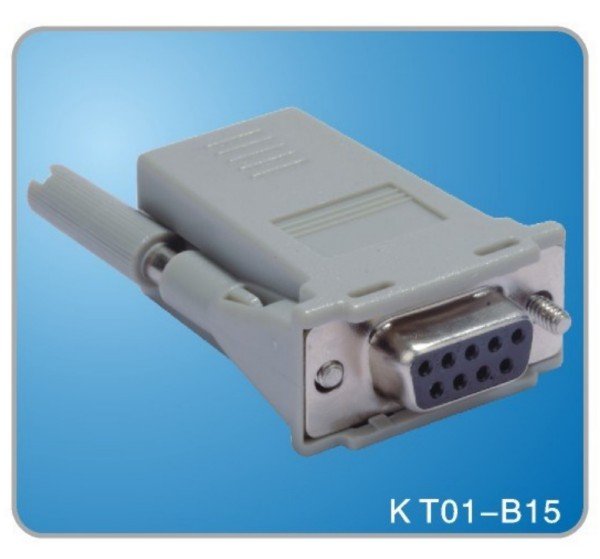
RJ11 to DB 9P Female Overmold Type
Equipped with a female D-sub 9-pin socket, this adapter connects to male ports on legacy hardware like CNC machines or embedded systems. Reinforced for harsh environments, it enables bidirectional communication for machinery diagnostics or CLI access to routers. Typical uses include integrating lab equipment, factory-floor diagnostics, and field programming of IoT devices.
Applications
These adapters bridge legacy RJ11 devices to D-sub 9-pin systems. Male adapters target PCs and controllers, while female adapters interface with industrial hardware. Applications span automation, retrofitting, and diagnostics, ensuring seamless data flow in environments where outdated connectors persist, from healthcare to manufacturing.
RJ11 to DB9 Male Adapter:
- Connecting legacy GPS units to serial data loggers.
- Configuring POS terminals via COM ports.
- Debugging PLCs through RJ11 ports.
- Medical device setup (e.g., ventilators).
- Data acquisition from environmental sensors.
- Retrofit telecom test equipment (T1/E1 analyzers).
- Accessing CLI on older network switches.
- Industrial barcode scanner integration.
RJ11 to DB9 Female Adapter:
- CNC machine sensor connectivity.
- CLI access to industrial routers.
- Lab spectrometer integration.
- HVAC system diagnostics.
- Military/avionics communication.
- Factory-floor machinery control.
- Legacy printer retrofitting.
- Embedded IoT device programming.
Conclusion
RJ11 to D-sub 9-pin adapters are critical for sustaining legacy systems in modern infrastructures. Male adapters link RJ11 devices to computers, while female variants connect to industrial hardware, enabling automation, diagnostics, and retrofitting across sectors. Their success hinges on precise pinout alignment and voltage compatibility, as RJ11 lacks serial standardization. From medical equipment configuration to CNC machine integration, these adapters ensure obsolete technologies remain functional in evolving ecosystems. However, miswiring risks communication failure, underscoring the need for rigorous testing and manufacturer schematics. By bridging connectivity gaps, they exemplify pragmatic engineering solutions, preserving legacy investments in healthcare, manufacturing, and telecom.
Customize Your Adapter
Send your sample or drawing/schematic for quote price→ Feedback with quotation(1~3 days) → Confirm quotation → Arrange sample you for approval→ [Make mold if needed (7 days) →Mold test] → Making samples(1~3 days)→ Samples test(Approval) → place order for Mass production(2~3 weeks)→ Quality checking→ Packing → Delivery → After Service → Repeat Order.
