How to check the flame retardant grade of plastics: The 12 grades of UL 94
In the intricate networks that power our modern world, wires and cables are the essential, yet often invisible, arteries. Their primary function is to conduct electricity or data reliably, but a secondary, equally critical characteristic is their behavior in fire. This is where flame retardancy becomes paramount. Flame-retardant (FR) grades are not merely a feature but a fundamental safety benchmark, determining how a material will resist ignition, slow flame propagation, and limit smoke and toxic fume emissions. These standardized ratings, developed through rigorous tests like the widely referenced UL 94 or IEC 60332 series, provide a crucial vocabulary for safety. Understanding these grades—from the basic V-0 to more stringent requirements for plenum or riser cables—is essential for engineers, architects, and specifiers tasked with designing safer buildings, vehicles, and data centers, where preventing fire spread can be the difference between a minor incident and a catastrophic event.
UL 94 lists a total of 12 flame-retardant classifications, which are arranged from high to low in three groups:
- Group 1: Common materials for enclosures, structural components, and insulating parts, namely 5VA, 5VB, V-0, V-1, V-2, and HB;
- Group 2: Low-density foam materials, namely HF-1, HF-2, and HBF,
- Group 3: film materials, namely VTM-0, VTM-1, and VTM-2.
Part I: Common Materials for Housings, Structural Components, and Insulators
1. 5VA
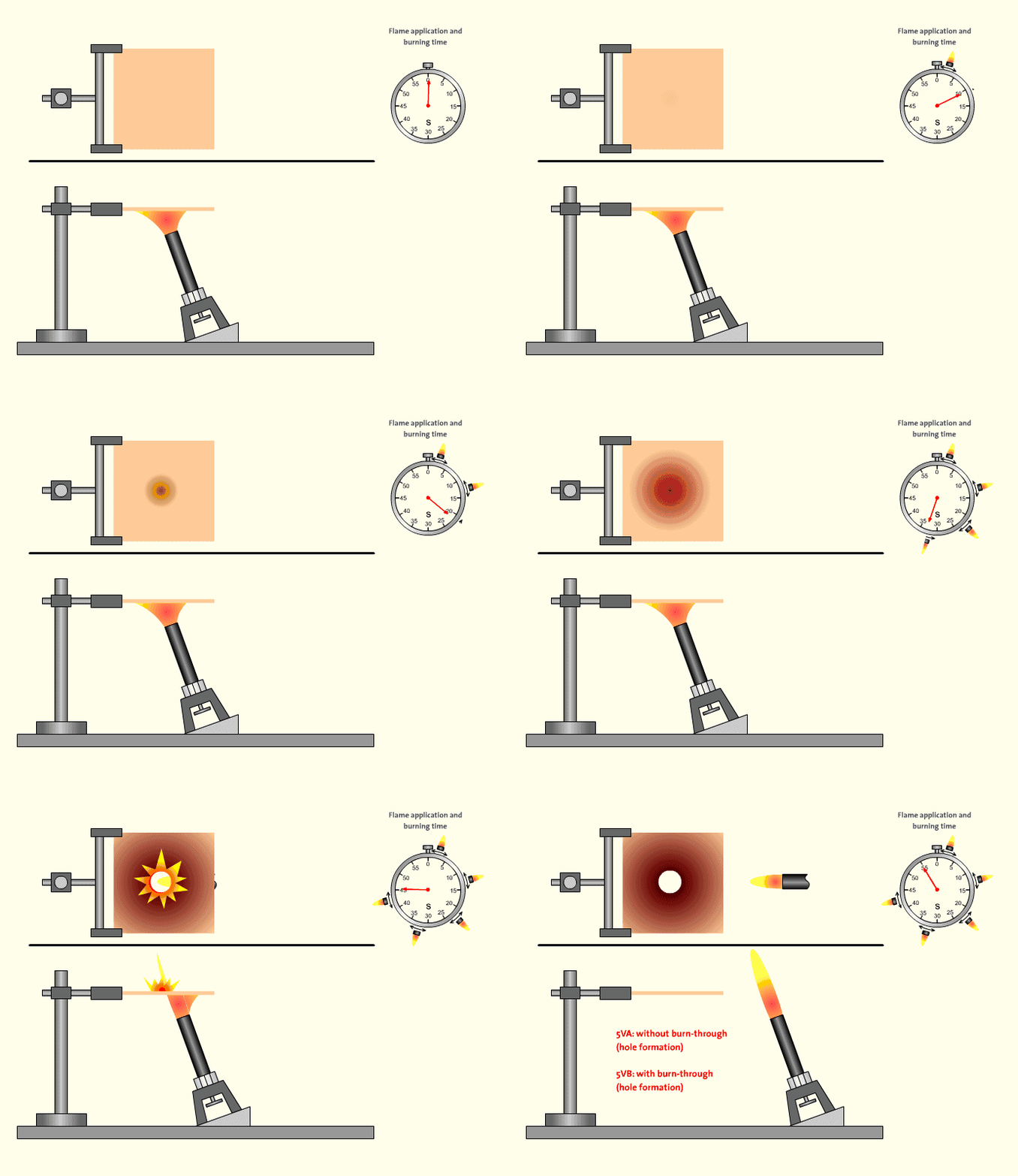
2. 5VB
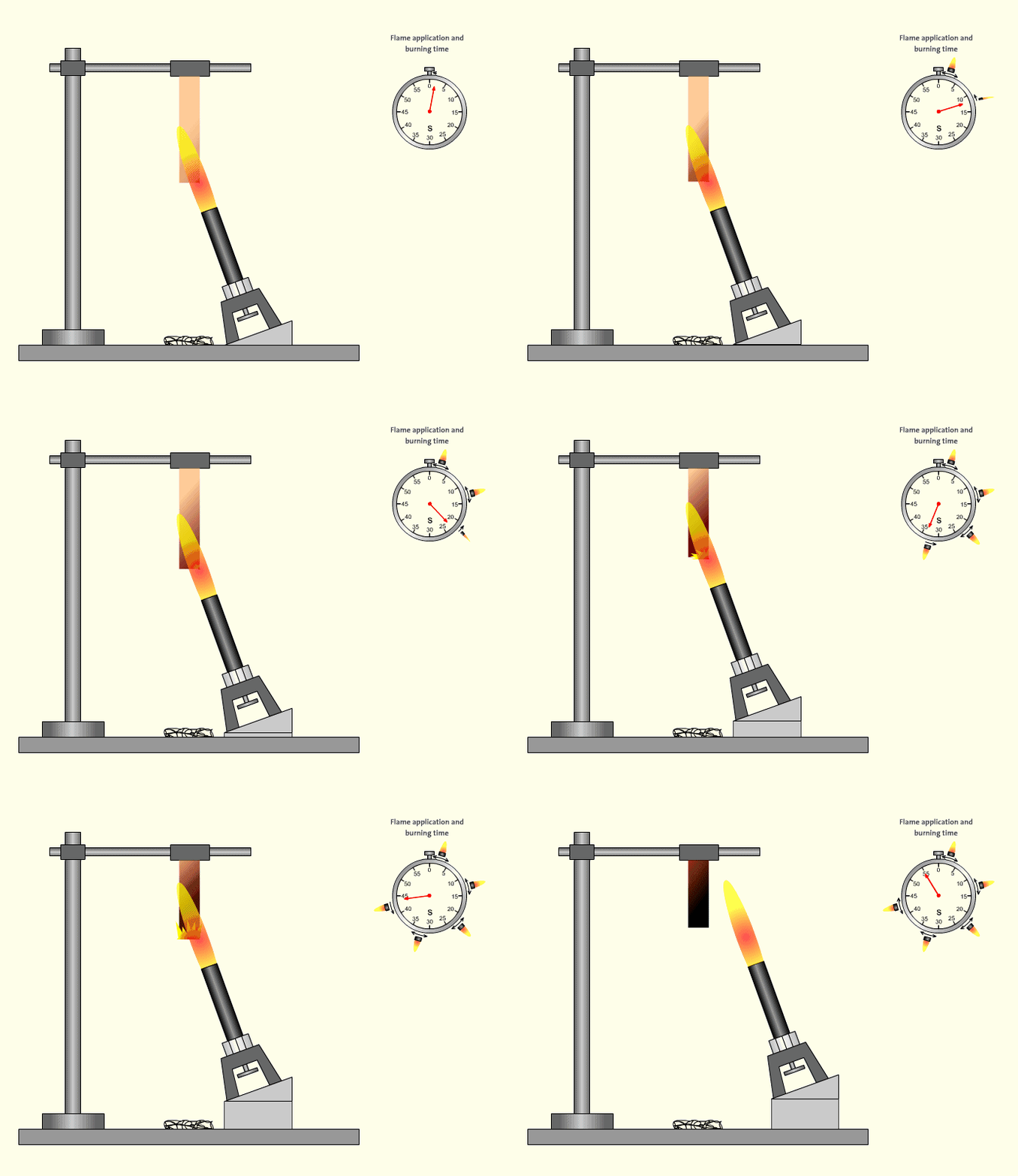
3. V-0
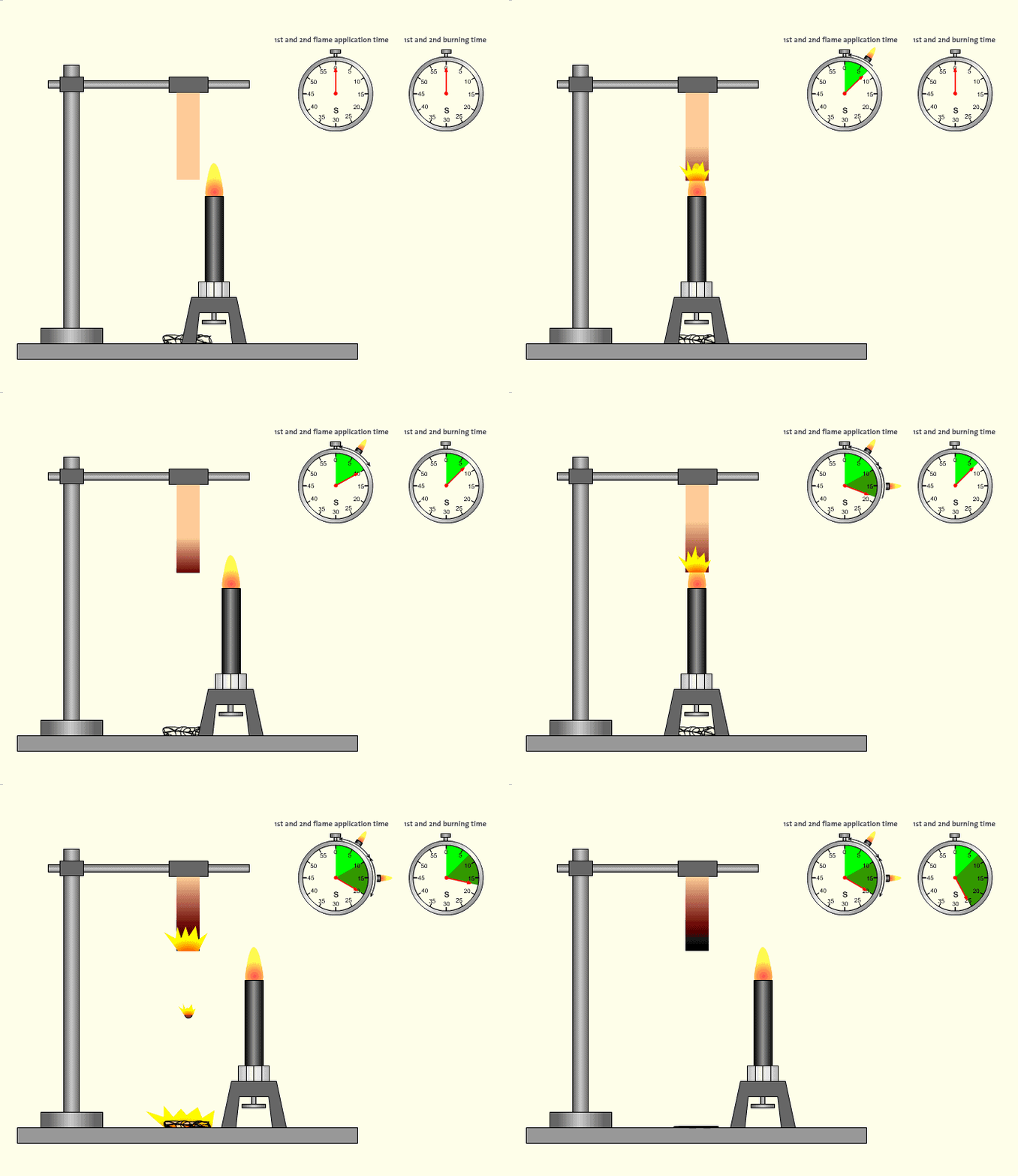
This rating corresponds to the UL 94 V (50W flame, 20mm vertical) test.
Preconditioning: 48 hours at 23°C / 50% RH, followed by 168 hours in a 70°C air-circulating oven.
Test: A 20mm high flame is applied twice, for 10 seconds each application. The second application begins immediately after the first ceases to flame.
V-0 Criteria: Individual after flame time ≤ 10 seconds. Total after-flame time for all 10 flame applications (5 specimens, 2 applications each) ≤ 50 seconds. Flame plus afterglow time after the second application ≤ 30 seconds. Specimens must not ignite the cotton indicator due to flaming drips, and must not burn up to the holding clamp.
4. V-1
5. V-2
6. HB
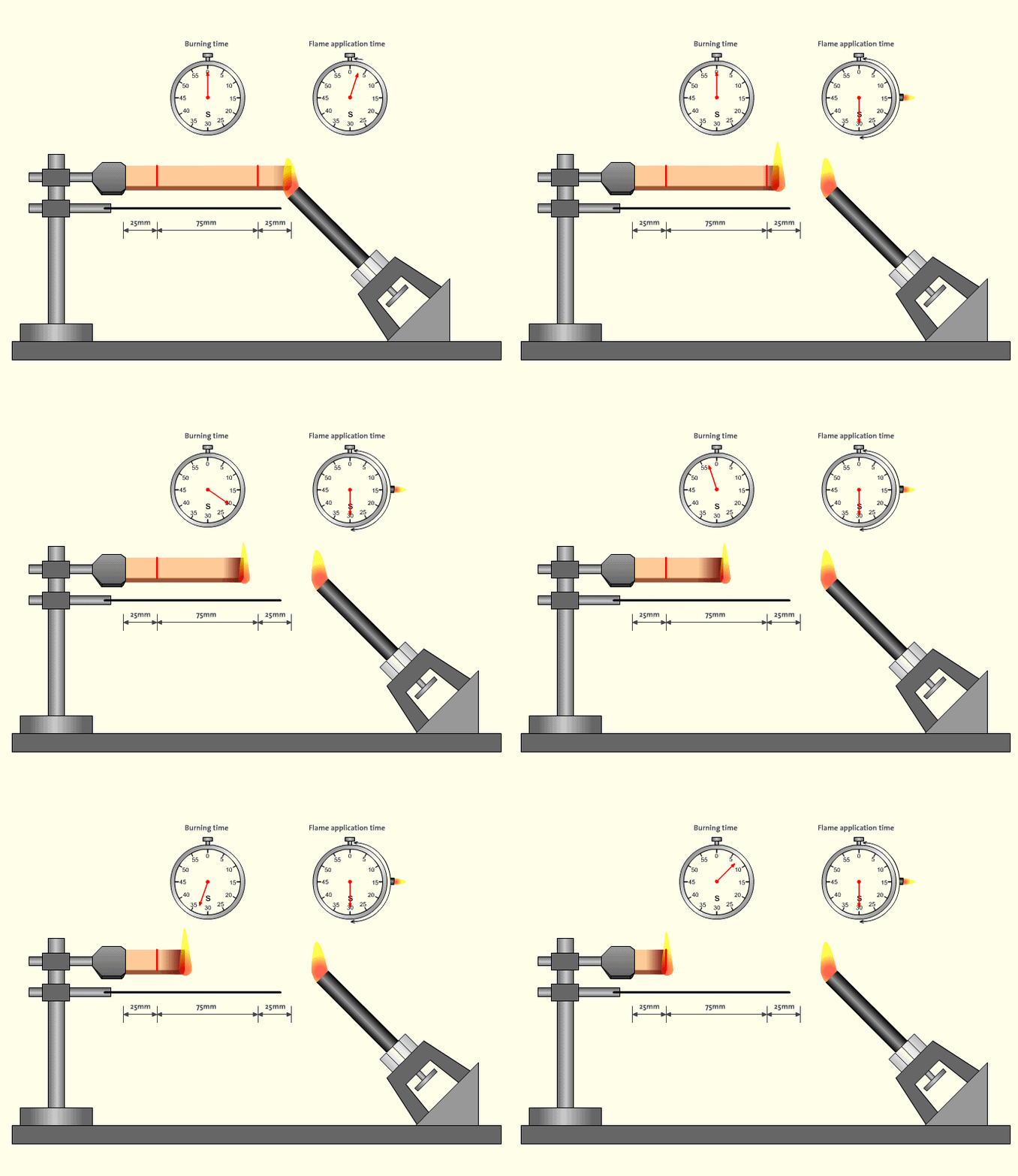
-
Preconditioning: 48 hours at 23°C.
-
Test: A 20mm high flame is applied for 30 seconds. The flame is removed if the flame front reaches the first reference mark before 30 seconds.HB Criteria: The rating is based on burning rate and thickness:
-
For specimens 3mm to 13mm thick: Burning rate ≤ 40 mm/min.
- For specimens less than 3mm thick: Burning rate ≤ 75 mm/min.
Part II: Low-Density Foamed Materials
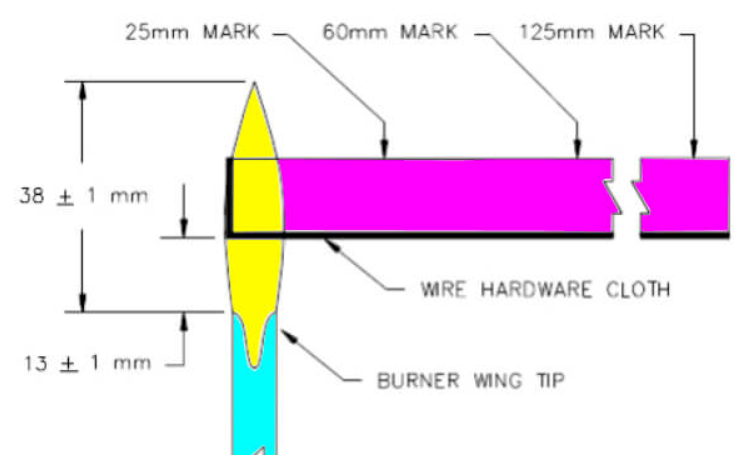
7. HF-1
-
Preconditioning: 48 hours at 23°C / 50% RH, followed by 168 hours in a 70°C air-circulating oven.
- Test: A 38mm high flame is applied for 60 seconds.
8. HF-2
9. HBF
-
The burning speed does not exceed 40 mm/min over a 100mm span.
-
The flame or afterglow extinguishes before reaching the 125mm reference mark.
Part III: Thin Material / Film
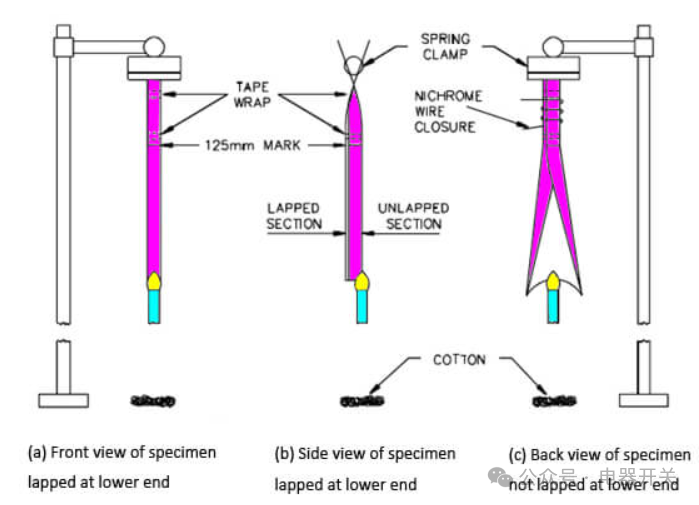
10. VTM-0
-
Preconditioning: 48 hours at 23°C / 50% RH, followed by 168 hours in a 70°C air-circulating oven.
- Test: A 20mm high flame is applied twice, for 3 seconds each application. The second application begins immediately after the first ceases to flame.
11. VTM-1
12. VTM-2
- VTM-0, VTM-1, and VTM-2 ratings are NOT equivalent to V-0, V-1, and V-2 ratings, respectively. This is because the test methods are fundamentally different.
- The V test uses a 50W, 20mm flame, while the 5V test uses a much more severe 500W, 125mm flame.
- The VTM test is a separate method for thin/flexible materials.
