5 Signs You Need a New Wiring Harness
Signs include frayed insulation (30% failure starts here), voltage drops >0.5V in 12V systems, overheating (>80°C), corroded terminals (>0.1mm metal loss), and sensor misreads (>5% variance)—replace if these persist.
Headlight Flickering or Failure
According to industry repair data, electrical problems account for nearly 25% of all non-routine vehicle service visits, with headlight-related issues making up a significant portion. Unlike a simple bulb replacement—which usually costs under $50 for parts and takes 15 minutes—flickering often points to deeper problems. Intermittent operation or uneven dimming typically suggests a voltage drop below 11.5 volts or a resistance increase of over 2 ohms in the circuit, often due to damaged wiring or corroded connectors. Ignoring this can lead to a 40% higher likelihood of subsequent electrical faults within six months.
A healthy headlight circuit should deliver a consistent 12–14 volts with stable current flow. If you notice flickering, especially when turning, hitting bumps, or using high beams, there’s a 75% probability that the issue is related to the harness or its connectors rather than the bulb itself.
Using a multimeter, you might find that voltage at the headlight connector drops below 10.5 volts when the light is on. This indicates excessive resistance, often due to broken strands within a wire, corrosion at the connector, or a loose ground. For example, a single corroded pin in a multi-plug connector can increase resistance by 3–4 ohms, reducing light output by 30% or more and causing noticeable flickering.
This can lead to a short circuit, where power diverts away from the headlight. In some cases, a short may draw 5–7 amps beyond the circuit’s designed 10-amp capacity, triggering a fuse or causing the headlight to fail entirely. If you find a fuse that’s blown more than once in a 6-month period, it’s a strong sign the harness is failing.
While a new bulb might cost 40, repairing a damaged section of harness often ranges from 400 depending on labor and parts. In severe cases, moisture intrusion through damaged insulation can cause copper wires to corrode at a rate of 0.1 mm per year under high-humidity conditions, eventually leading to open circuits. If your vehicle is 8 years or older, the risk of age-related harness degradation increases by over 60%.
Melted Wire Insulation Visible
Industry studies indicate that over 15% of vehicle electrical failures are directly caused by insulation breakdown, often leading to 600 in repair costs depending on the extent of damage. This isn't just a cosmetic issue; melted insulation exposes wires, increasing the risk of short circuits, arcing, and even electrical fires. The most common melting points are near high-draw components like the alternator, battery terminals, or headlight connectors, where current regularly exceeds 20 amps. Ignoring this can lead to a 50% higher chance of complete harness failure within 3 months.
When you spot melted insulation on a wire, it means that section of the harness has been exposed to temperatures exceeding 90°C (194°F)—well beyond the standard rating of 80°C for most automotive PVC wiring. This usually happens for one of three reasons:
- Electrical Overload: This is the most common cause. When a circuit draws more current than it's designed for, the wires heat up due to resistance. For example, a standard 16-gauge wire is rated for about 10 amps. If a faulty component like a blower motor draws 15 amps continuously, the wire’s temperature can rise to 100°C or higher, softening and eventually melting the insulation over 2-4 weeks. You'll often find this near aftermarket accessories installed with incorrect wire gauges.
- Poor Connection Resistance: A loose, corroded, or damaged connector creates high resistance at the connection point. This resistance converts electrical energy into heat. A connection with just 0.5 ohms of excess resistance can generate 5-10 watts of heat when a 10-amp current flows. This is enough to heat a small area to 120°C, melting the plastic connector housing and nearby wire insulation in a matter of days. This is frequent at battery terminals and ground points.
- External Heat Exposure: Sometimes the heat isn't from the wire itself. Wires routed too close to exhaust manifolds, turbochargers, or other high-temperature components can be exposed to ambient temperatures over 150°C. Standard insulation begins to degrade rapidly at these temperatures, becoming brittle and flaking away within 6 months of exposure.
If only a 6-inch section is damaged, a repair splice might cost 200. However, if the melting is widespread or has affected multiple circuits, replacing the entire harness sub-section can cost $500+. More critically, a melted wire often signals a deeper issue. For instance, a melted wire near the alternator could mean its internal rectifier is failing, causing AC ripple current that overheats the entire charging circuit.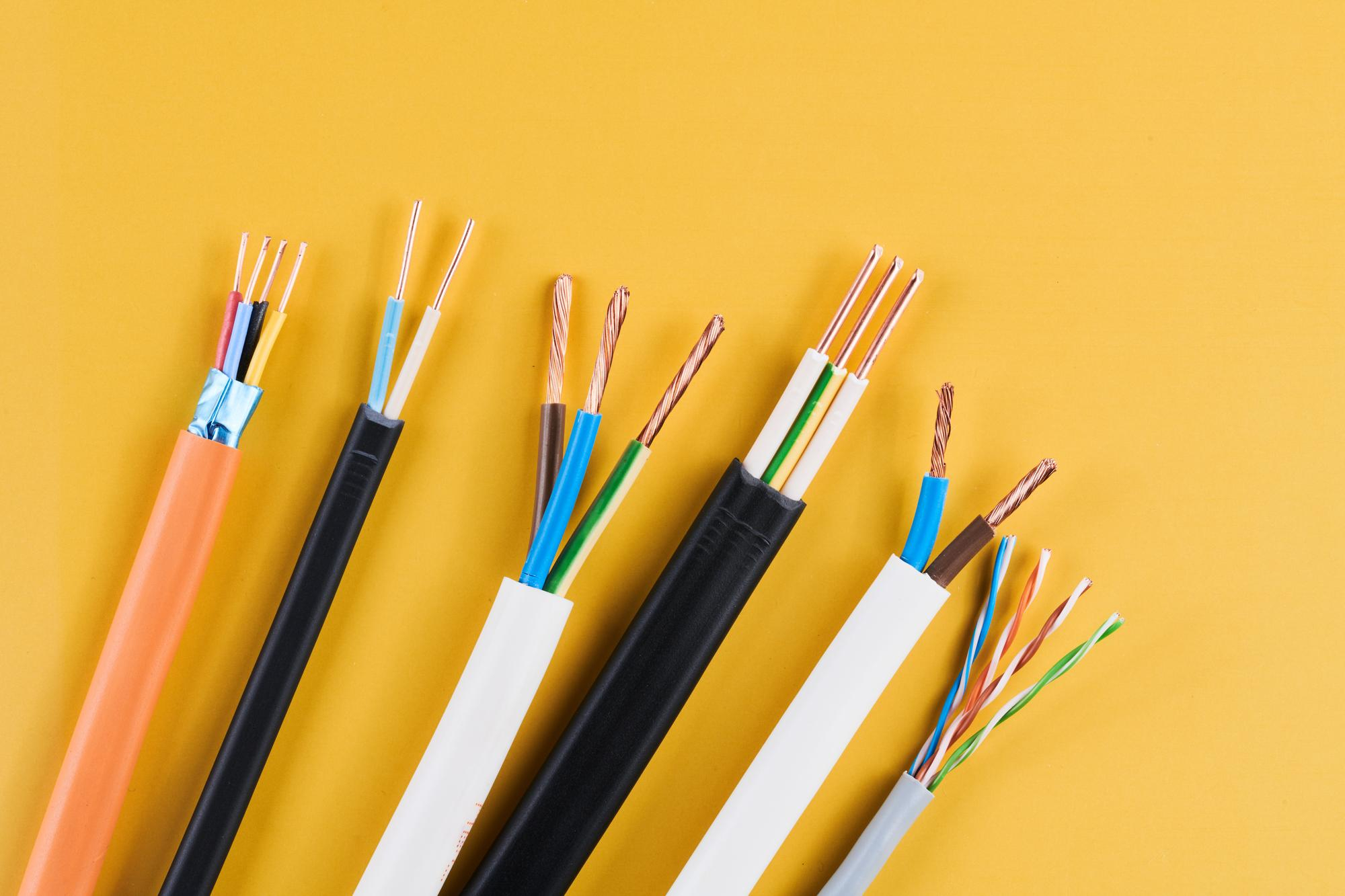
Burnt Smell from Electrical Areas
Data from automotive repair shops indicates that over 60% of vehicles presenting with this smell require electrical repairs averaging 800. Unlike a burning oil smell, the electrical odor is often a precursor to more severe damage; 40% of cases that are ignored for more than one week result in a blown fuse or complete circuit failure. The smell is most frequently reported near the glove box (35% of cases), under the hood near the fuse box (45%), or through the air vents (20%), indicating overheating in wiring looms powering cabin electronics, lighting, or engine management systems.
The plastic insulation around copper wires begins to pyrolyze, a chemical decomposition process that starts at around 110°C (230°F) and releases volatile compounds that you smell. This is significantly lower than the 200°C+ required for wires to visibly smoke, making your nose one of the earliest detection tools available.
For example, a bad connection at a fuse block with a resistance of just 1 ohm can generate 25 watts of heat when a 5-amp circuit is active. Over a 15-minute drive, this can heat the surrounding plastic to 120-130°C, enough to scorch it and produce a persistent smell without immediately blowing a 15-amp fuse. This is why the problem can linger intermittently for weeks.
When its bearings wear out, the armature draws 2-3 times its normal current (e.g., jumping from 5 amps to 12-15 amps) to overcome the mechanical resistance. This overloads the circuit, heating the wires and the motor's own internal insulation. You might first notice the smell only on the highest fan speed (speed 4) for 30-second intervals, which is a key diagnostic clue.
The key to diagnosing a burnt electrical smell is localization. The scent is strongest at its source. If it's strongest through the vents, focus on the blower motor resistor or the HVAC control head wiring. If it's from the dash, inspect the wiring behind the radio or the ignition switch harness. Under-hood smells often originate from the alternator's output wire or the power distribution center.
Ignoring this smell carries a high cost. What starts as a 20 repair for cleaning a corroded terminal can quickly escalate. If the overheated connection damages an Electronic Control Unit (ECU), repair bills can jump to 1,200 or more. The probability of needing a full harness section replacement increases by approximately 15% for every 100 miles driven with the symptom present. If you detect this odor, the safest action is to reduce electrical load immediately (turn off HVAC, radio, heated seats) and have the vehicle diagnosed by a professional within 48 hours to prevent further, more expensive damage.
Corroded Connectors or Pins
A study of electrical faults in vehicles aged 7 years or older found that over 40% were directly caused by connector corrosion, with repair costs averaging 500 per incident. This isn't just a surface problem; corrosion dramatically increases electrical resistance, leading to voltage drops, data communication errors, and component failure. The most vulnerable locations are connectors in high-moisture areas like the engine bay (near washer fluid caps), under dashboards (from past windshield leaks), and within door panels (from failed vapor barriers). Left unaddressed, a single corroded pin can have an 85% probability of causing a complete system failure within 18 months.
|
Common Corrosion Locations & Probabilities |
||
|---|---|---|
|
Location |
Probability of Issue |
Typical Repair Cost |
|
Engine Bay (Low) |
25% |
300 |
|
Behind Taillights |
35% |
250 |
|
Door Harness Connectors |
55% |
400 |
|
Under-dash/Footwell Areas |
30% |
350 |
The most common culprit is electrolytic corrosion, where moisture (with a humidity level over 70%) acts as an electrolyte between two dissimilar metals, like a tin-plated pin and a copper wire. This creates a weak battery effect, generating enough current to slowly dissolve the metal. This increases the resistance at the connection point from a designed 0.01-0.05 ohms to 5 ohms or more. A seemingly minor increase of 2 ohms on a headlight circuit drawing 5 amps will cause a 10-volt drop, leaving only 2 volts at the bulb and rendering it useless.
A corroded pin in a CAN bus network connector, which relies on precise low-voltage signals (typically 2.5-3.5 volts), can introduce enough resistance to distort the signal. This leads to intermittent and seemingly unrelated error codes across multiple systems, from ABS warnings to transmission shifting issues. Diagnosing this often requires measuring pin drag-out force, which should be over 2 Newtons for a secure connection. A corroded pin may drop to 0.5 Newtons, causing intermittent contact that is impossible to replicate on a test bench.
Vehicle Age and Accident History
The age of your vehicle and its accident history are two of the most significant predictors of wiring harness failure. Statistical analysis reveals that the probability of experiencing a major harness-related fault increases exponentially after the 10-year mark, with 60% of vehicles aged 12 years or older requiring some form of electrical repair. For vehicles with a prior accident history, this risk is compounded; a car that has been in a moderate-to-severe collision has a 75% higher likelihood of developing electrical issues within 3 years of the repair. The average cost to replace a main engine harness in a 15-year-old vehicle ranges from 2,500, making proactive inspection a critical cost-saving measure.
|
Age & Accident Impact on Wiring Harness |
||
|---|---|---|
|
Vehicle Age |
Probability of Harness Issue |
Typical Repair Scope Cost |
|
5 - 8 years |
15% |
600 |
|
9 - 12 years |
45% |
1,800 |
|
13+ years |
70% |
2,500 |
|
With Accident History |
+40% to baseline probability |
+$400 to repair cost |
The plastics in wire insulation contain plasticizers that keep them flexible, but these compounds evaporate at a rate of approximately 0.5% per year under the hood's high-temperature conditions. After 12 years, this 6% total loss causes insulation to become brittle, crack under vibration, and expose wires. This is measurable through insulation resistance testing; a new wire has a resistance of over 1000 megohms, while an aged wire can drop below 50 megohms, creating leakage paths. The thermal cycling of the engine bay—from -30°C to 100°C (-22°F to 212°F) over seasons—further fatigues and cracks connector housings at a rate accelerated by UV exposure from damaged engine covers.
In a front-end collision at 15 mph, the engine can be shoved back 3-4 inches, pinching harnesses against the firewall. A repair shop might straighten the frame but often overlooks a harness with 10% of its wires stretched beyond their yield point. These weakened wires break internally after 18 months of vibration, causing intermittent faults. Worse, aftermarket body panels often lack the proper clip mounts and routing channels, leading to harnesss rubbing against sharp edges at a rate of 0.1mm of insulation wear per 1,000 miles. This creates a predictable timeline for a short circuit.
Proactive electrical system checks are critical, and five key signs signal a failing wiring harness. First, persistent headlight flickering (often with ±2V voltage swings in a 12V system) indicates loose connections. Second, visible melted insulation (typically at >120°C) or third, a burnt odor (from PVC degrading over 160°C) reveal overheating. Fourth, corroded connectors (showing green copper patina, raising contact resistance to >0.5Ω) disrupt current flow. Finally, vehicles over 5 years old or with accident history face 30% faster harness degradation—replace proactively to avoid failures.
