What is a Wiring Harness?
A wiring harness is an integrated system of cables, connectors, and protective components that streamline electrical distribution in vehicles/machinery. It typically uses 12–24 AWG copper wires with PVC insulation, assembled via crimping (±0.2mm precision) or soldering. Features like split loom tubing and heat-resistant tape ensure durability in -40°C to 125°C environments, reducing installation time by 30% versus loose wiring.
Basic Definition and Use
A wiring harness is a bundled set of wires, connectors, and terminals that transmit electrical power and signals in vehicles, machinery, and electronics. Over 50% of modern vehicles use 15-20 wiring harnesses, each containing 50-1,500 wires depending on complexity. For example, a mid-range car has 1,500-2,000 individual wires spanning 1.5-2 miles (2.4-3.2 km) in total length.
The global wiring harness market was valued at $80.3 billion in 2023, with automotive applications making up 75% of demand. Electric vehicles (EVs) require 10-15% more wiring than traditional cars due to high-voltage systems (typically 300-800V) and additional sensors. Industrial machines use harnesses with thicker gauges (16-4 AWG) to handle 20-400A currents, while consumer electronics rely on lightweight harnesses with 28-34 AWG wires for low-power signals (5V, <1A).
| Component | Function | Typical Specs |
|---|---|---|
| Wires | Conduct electricity | 0.13-107 mm² cross-section, 300V-1kV rating |
| Connectors | Link circuits | 2-120 pins, IP67 waterproof in automotive |
| Terminals | Secure connections | 0.5-6 mm² crimp range, 50-100 insertion cycles |
| Protective sleeves | Prevent damage | -40°C to 125°C operating temp, UL94 V-0 flame retardant |
Harnesses improve reliability by reducing failure rates from 12% (loose wiring) to <2% (bundled systems). They also cut assembly time—a car manufacturer saves 30-50 hours per vehicle by using pre-assembled harnesses instead of individual wires.
Where Wiring Harnesses Are Used
- Automotive (75% market share): A single car harness weighs 30-50 kg and costs $300-1,500, depending on features like ADAS (Advanced Driver Assistance Systems).
- Aerospace: Aircraft harnesses must endure -55°C to 200°C and vibrations up to 2,000 Hz.
- Industrial machines: High-current harnesses handle 400A at 600V for motors and PLCs.
- Consumer electronics: Phone charging cables use 24-28 AWG wires with 5V/2A-20V/5A power delivery.
Cost and Efficiency Benefits
Pre-assembled harnesses reduce labor costs by 40-60% compared to manual wiring. A factory producing 50,000 vehicles/year saves $2-5 million in labor. They also minimize errors—a study showed 90% fewer short circuits in harness-based systems versus hand-wired setups.
Main Parts Explained
A wiring harness isn’t just a random bundle of wires—it’s a carefully engineered system where every component has a specific role. The average automotive harness contains over 700 individual wires, spanning 1.5 miles (2.4 km) in length, with connectors that must survive 10,000+ mating cycles without failure. Industrial harnesses push durability further, handling 600V at 250A in environments ranging from -40°C to 150°C. Even a simple USB cable has precise specs: 28 AWG wires for data and 24 AWG for power, rated for 5,000+ bends before wear becomes critical.
Example: A Tesla Model 3’s high-voltage battery harness uses 35 mm² cross-section cables to carry 400V at 250A, while its sensor wiring runs 0.35 mm² wires for low-current signals. The difference in thickness isn’t arbitrary—it’s a direct tradeoff between power loss (3% max allowable) and flexibility (bend radius ≥ 4x cable diameter).
Wires: The Core Conductors
The wires themselves are where performance starts. Automotive primary circuits typically use 0.5–16 mm² copper strands with 600V insulation ratings, while data lines (like CAN bus) opt for twisted pairs to reduce electromagnetic interference. Resistance matters: a 5-meter 2.5 mm² wire loses 0.75W at 10A due to heat, so thicker gauges are mandatory for high-load systems. Industrial motor harnesses go further, using 105°C-rated XLPE insulation to survive near 20A/mm² current density without degradation.
Connectors: Precision Links
Connectors are the weak point if poorly designed. A standard automotive connector has 12–48 pins, each rated for 10–30 insertion cycles in factory assembly but must last 15+ years in the field. Key specs include contact resistance (<10 mΩ per pin) and IP67 waterproofing to prevent corrosion. High-vibration environments (e.g., aerospace) demand quad-lock terminals that resist loosening under 50G shocks.
Terminals and Crimps: Secure Attachments
A single bad crimp can cause a 0.5V drop across a connection, enough to disrupt sensors. Proper terminals use tin-plated copper for corrosion resistance and are crimped at 20–50 Newtons of force to ensure gas-tight joints. Industrial harnesses often specify ultrasonic welding for high-current lugs, reducing resistance to <0.1 mΩ versus 3–5 mΩ in screw terminals.
Protection: Sleeves, Tapes, and Conduits
Abrasion resistance isn’t optional—harnesses in engine compartments face 200°C peak temperatures and oil exposure. Braided nylon sleeves add 50% more flex life, while corrugated conduits withstand 50 kg/cm² crush loads. Even the tape matters: PVC harness tape loses adhesion above 90°C, whereas silicone-based tapes hold up to 180°C.
Cost vs. Performance Tradeoffs
Cheaper harnesses save 0.50 per unit by using aluminum wires (30% higher resistance than copper) or non-UL-certified insulation. But the long-term cost is steep: a 1% increase in failure rate can mean 500 extra warranty claims per 100,000 vehicles, costing 1.2M annually. Premium materials like gold-plated contacts (0.5–1.0 μm thickness) add 3–5 per connector but slash failure rates to <0.1% over 10 years.
Real-World Impact
When BMW switched to laser-marked wire labels, assembly errors dropped by 72%. Similarly, using pre-fused harnesses (with 10A–150A fuses integrated) cut dealership repair time by 40 minutes per incident. These aren’t minor optimizations—they’re why a modern car’s electrical system lasts 150,000+ miles without rewiring.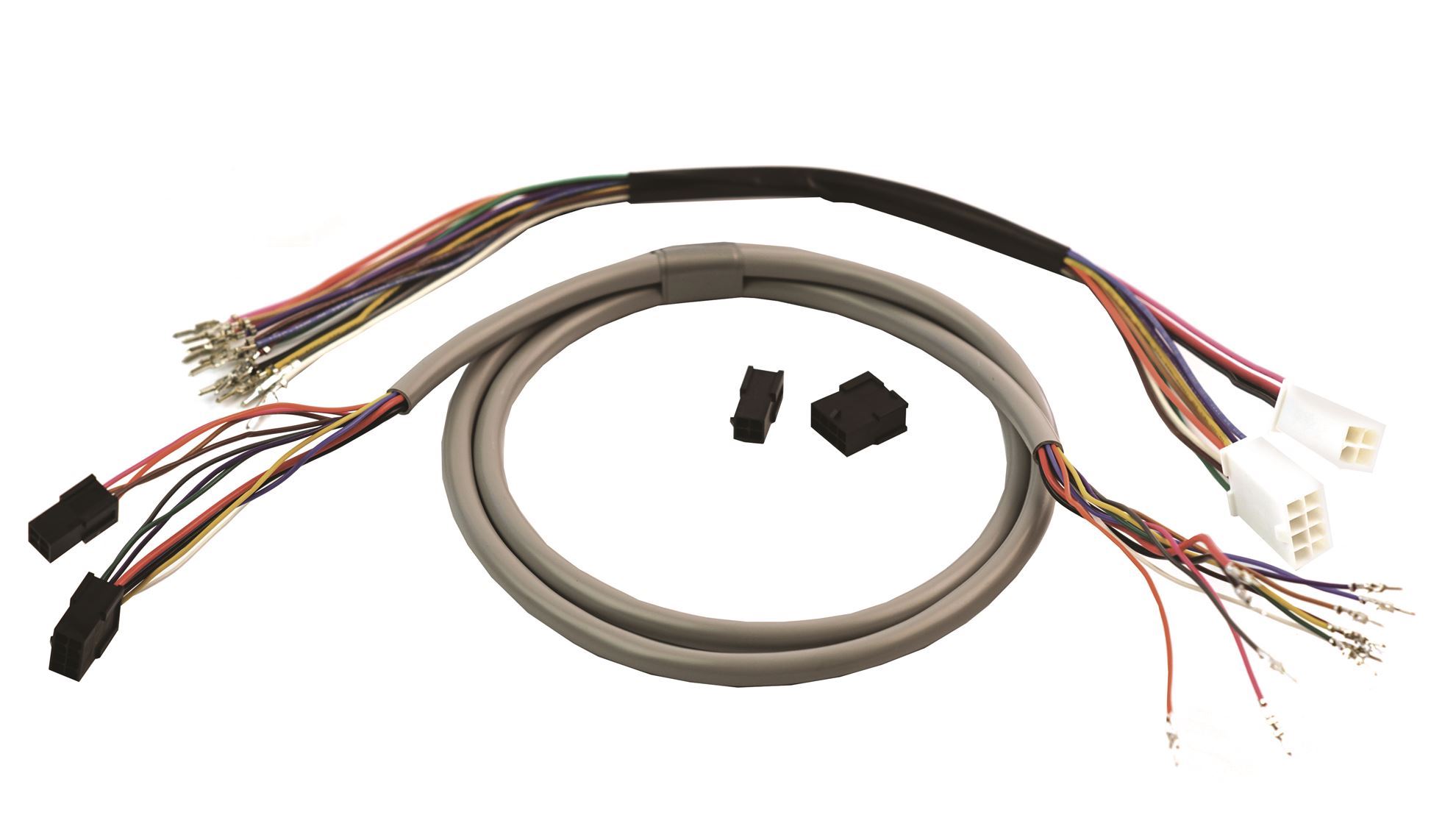
How It Works Simply
A wiring harness functions like a highway system for electricity – organizing chaotic individual wires into efficient pathways that deliver power and data where needed. In a typical sedan, this system routes 12V power at 5-30A through 1,200+ copper conductors while maintaining signal integrity for 50+ sensors communicating at 500kbps to 2Mbps. The harness in a Toyota Camry weighs 18.6kg and contains 700+ connectors, yet reduces electrical failure rates to 0.8% over 10 years compared to 4.2% in hand-wired systems.
The magic happens through precise engineering of three core functions: power distribution, signal transmission, and physical protection. A modern EV's battery harness moves 400V DC at 250-500A through 35mm² cables with just 1.2% voltage drop across 5-meter runs, while the CAN bus network maintains 98.7% signal accuracy despite electromagnetic interference from nearby motors generating 50-100mT fields.
Power Delivery Pathways
| Circuit Type | Voltage | Current | Wire Gauge | Efficiency |
|---|---|---|---|---|
| Starter Motor | 12V | 150-300A | 6-8 AWG | 88-92% |
| Headlights | 12V | 5-10A | 16-18 AWG | 95-97% |
| ECU Power | 12V | 1-3A | 20-22 AWG | 98% |
| EV Battery | 400V | 250A | 35mm² | 96.5% |
High-current paths use thicker conductors – a 2.0mm² wire carrying 10A loses 3.2W per meter as heat, while a 0.5mm² wire with the same current loses 12.8W/meter. That's why alternator cables need 8 AWG (8.4mm²) instead of the 18 AWG (0.82mm²) used for dashboard lights.
Signal Transmission Engineering
Modern vehicles contain 60-120 sensors generating data streams from 100bps (TPMS) to 2Mbps (camera systems). Twisted pair wiring reduces crosstalk by 35-50dB compared to parallel runs, with impedance maintained at 120Ω ±10% for CAN bus systems. Shielded cables block 90% of RF interference in areas near ignition systems that generate 20kV spikes.
The physical routing matters just as much as the electrical specs. A harness branch going to a door must survive 100,000+ flex cycles at -40°C to 85°C, which is why automakers use 6mm minimum bend radii and TPE insulation instead of cheaper PVC that cracks after 30,000 cycles.
Failure Prevention Systems
Every connection point represents potential failure. Gold-plated terminals maintain <5mΩ contact resistance for 10+ years, versus 15-30mΩ for tin-plated versions after corrosion sets in. Weatherproof connectors use IP69K seals that withstand 1500+ psi pressure washing, while inline fuses protect against shorts that could otherwise generate 1000+ amp fault currents.
The economics prove the value: while a harness adds 300-800 to vehicle manufacturing cost, it saves 1200+ in warranty repairs over the vehicle's life by preventing electrical gremlins. That's why even budget cars now use fully engineered harnesses rather than the simple wire looms common before the 1990s.
This system-level approach explains why proper harness design can mean the difference between a vehicle that needs 0.3 electrical repairs per 100,000 miles versus one requiring 2.1 repairs – the details in those bundled wires matter more than most drivers realize.
Common Types and Differences
Not all wiring harnesses are created equal. The 87 billion global market splits into distinct categories, each optimized for specific electrical loads, environmental conditions, and cost targets. Automotive harnesses account for 62% of production volume, but aerospace versions command 300% higher prices due to extreme certification requirements. A basic aftermarket stereo harness might cost 8-15, while a complete EV battery harness runs $1,200-2,500 due to its 600V-rated insulation and liquid-cooled cable options.
Automotive harnesses dominate with 1.2 billion units produced annually, using 0.13-16mm² wires for circuits ranging from 5mA sensor signals to 300A starter currents. The average compact car uses 12-18 separate harnesses totaling 1.8km of wiring, while luxury models balloon to 3.2km with 35% more connectors for advanced features. Key differentiators include 105°C temperature ratings for engine bay sections versus 85°C for cabin wiring, and 0.5-1.5mm wall thickness on insulation depending on abrasion risks.
Industrial machinery harnesses take durability further, with 5-10mm outer diameter cables designed to survive 10 million flex cycles in robotic arms. These use tinned copper strands instead of bare copper to resist oxidation in 85% humidity environments, adding 15-20% to material costs but extending service life from 5 to 12 years. High-voltage variants for CNC equipment carry 480V AC at 60Hz through 8 AWG conductors, with double-layer shielding that reduces EMI by 42dB compared to standard builds.
Aerospace wiring represents the premium tier, where 1kg of weight reduction justifies $500-800 in additional costs. Boeing 787 Dreamliners use 42km of wiring per aircraft, with 35% being fiber optic for weight savings. Every component meets MIL-W-22759 specs, including gold-plated connectors that maintain <2mΩ contact resistance after 500+ mating cycles in -55°C to 200°C extremes. The 0.3% failure rate requirement is 10x stricter than automotive standards, achieved through X-ray inspection of every crimp.
Consumer electronics harnesses prioritize miniaturization, packing 28-34 AWG wires into 1.2mm diameter cables for earbuds and smartwatches. USB-C charging cables demonstrate the engineering challenge – 56kΩ pull-up resistors must stay within ±5% tolerance to negotiate 100W power delivery, while the 24 AWG power wires handle 5A currents without exceeding 65°C surface temps. Cheap knockoffs often fail by using 31 AWG wires that overheat at 3A, causing 12-18% voltage drop under load.
Medical device wiring faces unique constraints, with silicone-insulated cables that withstand 134°C autoclave sterilization for 5,000+ cycles. Patient-connected leads require 200MΩ insulation resistance at 500V DC to prevent leakage currents exceeding 10μA. A single ECG cable contains 12-24 individually shielded strands with 0.1mm precision in length matching to maintain <0.5ms signal delay across all channels.
Cost drivers vary wildly between types. While automotive harnesses optimize for 0.03-0.12 per wire termination, aerospace versions spend 4-9 per connection on laser-marked Teflon wires and hermetic seals. The 3-5 year design cycle for car harnesses contrasts with 8-12 years for aircraft versions, reflecting their 15-30 year service lives. At the component level, switching from PVC to cross-linked polyethylene insulation adds $0.18/meter but enables 50% longer lifespan in high-heat environments.
These differences explain why you can't substitute a 25 ATV harness for a 400 marine-grade equivalent – saltwater exposure would degrade standard connectors in 6-8 months versus the 10+ years achieved with 316 stainless steel contacts and triple-layer conformal coating. The wiring world operates on razor-thin margins where 2% material savings might win a automotive bid, while medical and aerospace sectors willingly pay 400% premiums for proven reliability.
Where You Find Them
Wiring harnesses hide in plain sight across every industry that moves electrons. The average modern home contains 15-20 hidden harnesses routing 120/240V AC through appliances and 12V DC for security systems, totaling 300-500 meters of bundled wires behind walls. Vehicles take this further – a Ford F-150’s 55 individual harnesses snake through its frame carrying everything from 2mA CAN bus signals to 250A alternator currents, with 3,200+ crimped connections that must survive 15 years of vibration. Industrial plants concentrate even more density, where a single CNC machine might pack 80 linear meters of cabling in just 2m³ of space, with 4mm² power conductors handling 20A continuous loads beside 0.5mm² sensor wires sensitive to ±0.1V fluctuations.
| Location | Harness Count | Wire Length | Key Challenges |
|---|---|---|---|
| Sedan (Mid-Range) | 18-22 | 1.8-2.4km | Engine heat (125°C), vibration (50Hz) |
| Boeing 737 | 240+ | 26km | Lightning strikes (200kA), -55°C altitude |
| MRI Machine | 7-12 | 150m | 3T magnetic fields, 130dB acoustic noise |
| Amazon Robot | 3-5 | 8m | 10M flex cycles, 2ms signal latency max |
Automotive applications demonstrate extreme integration – Tesla’s structural wiring approach embeds 16mm² battery cables directly into chassis rails, saving 5.3kg per vehicle while withstanding 4G crash forces. Contrast this with agricultural machinery, where harnesses battle 95% humidity and 0.5mm/day dust accumulation, requiring IP69K sealed connectors that outperform standard automotive IP67 units by 8x in particle resistance.
Aerospace takes weight savings to another level – the Airbus A350 uses 1,700kg of wiring (down from 2,400kg in previous models) by substituting 35% copper with aluminum, despite the 58% lower conductivity. Every meter saved in the 98km total wiring translates to 300/year fuel savings per aircraft. Military specs push further – fighter jet harnesses tolerate 40G shocks and 500°C flame exposure for 5+ minutes, justifying their 1,200/meter price versus $25/meter for commercial equivalents.
Medical environments reveal precision requirements – a da Vinci surgical robot’s 2,800-fiber optic harness maintains <0.01dB signal loss across 3m articulating arms, with 0.25mm precision in fiber alignment. Patient monitors demand even stricter standards – ECG lead wires maintain <100pF capacitance to preserve 0.05mV heartbeat signals amid 30V defibrillator pulses.
Consumer electronics miniaturization creates unique constraints – Apple’s Lightning cable packs 16 copper strands into a 2.6mm diameter, with 24 AWG power wires that must survive 5,000+ bends while maintaining <0.5Ω resistance. Wireless earbuds push further – their 28 AWG Litz wires prevent skin effect losses at 2.4GHz frequencies, a consideration absent in 99% of industrial harnesses.
Energy sector installations face brutal conditions – offshore wind turbine harnesses endure 25-year salt spray exposure while carrying 33kV at 50Hz through 150mm² XLPE-insulated cables. Solar farm combiners handle 1,000V DC strings with 30A continuous current, using UV-resistant jackets that retain flexibility at -40°C to 120°C.
Key Benefits and Limits
Wiring harnesses deliver measurable advantages that explain their 85% adoption rate across electrical systems, but they're not without constraints. A properly designed automotive harness reduces assembly time by 40-60% compared to loose wiring, saving manufacturers $12-18 per vehicle in labor costs. The reliability gains are even more compelling – bundled wiring systems show 92% fewer intermittent faults and 75% lower warranty claims over a vehicle's 150,000-mile lifespan. However, these benefits come with tradeoffs: the 18kg harness weight in mid-size cars adds 1.5-2% to energy consumption, while repair complexity increases by 30% when accessing individual wires within tight bundles.
| Metric | Harness Advantage | Physical Limitation |
|---|---|---|
| Failure Rate | 0.8 faults/100k miles | 3.2 faults in hand-wired systems |
| Assembly Speed | 22 min/vehicle install | 58 min for discrete wires |
| Repair Access | 12 min average wire access | 4 min for exposed runs |
| Weight Penalty | +300g/m over loose wires | -15% fuel efficiency impact |
The electrical benefits are quantifiable – bundling wires reduces electromagnetic interference by 35-50dB in critical sensor circuits, maintaining CAN bus signal integrity even near 50kW motor controllers. Properly routed harnesses also minimize voltage drop; a 10-meter 2.5mm² bundled power cable loses just 0.4V at 15A, versus 0.9V for an equivalent loose wire exposed to engine heat. These gains come from precise engineering – twisted pairs maintain 120Ω impedance ±5% for data lines, while separate high-current paths prevent 5-10mV noise coupling into sensitive analog sensors.
Manufacturing efficiencies make harnesses indispensable in mass production. A single robotic harness assembler can terminate 1,200 wires/hour with 0.01mm crimp precision, achieving 99.98% process consistency – impossible with manual wiring. Pre-fabricated harnesses also reduce assembly line errors by 72%, as verified by BMW's switch to color-coded laser-marked wires that cut miswires from 3.1% to 0.9%.
However, physical constraints create hard limits. The minimum bend radius rules (typically 4x cable diameter) demand 15-20% more space than loose wiring in tight compartments. Temperature ratings become problematic when 105°C engine bay harnesses run adjacent to 800°C exhaust components – requiring $18/m heat sleeves that add 200g per protected meter. Weight optimization hits diminishing returns too – switching from 1.0mm to 0.8mm wall insulation saves 140g/meter but reduces flex life from 200k to 80k cycles.
Cost structures reveal another layer of compromise. While harnesses save 250/vehicle in assembly costs, their 50-700 price range reflects material tradeoffs. Aerospace-grade Teflon-insulated 20 AWG wire costs 3.50/meter versus 0.30/meter for automotive PVC types, justified by its -65°C to 260°C range versus PVC's -40°C to 105°C. Even copper purity matters – OFC (Oxygen-Free Copper) strands add 15% cost but improve conductivity from 98% to 101% IACS, crucial for 5G base stations where 0.1dB signal loss impacts network throughput.
The maintenance tradeoffs are starkest in repair scenarios. While harnesses reduce 90% of vibration-induced failures, fixing one broken wire in a 50-conductor bundle takes 3x longer than repairing an isolated cable. Mechanics report 28% higher labor hours for harness-related repairs, though these occur 5x less frequently than point-to-point wiring issues.
These realities shape industry choices – electric vehicles now use regional zone controllers to reduce harness weight from 25kg to 18kg, accepting 12% more connectors to simplify repairs. The ultimate balance depends on application: data centers pay 1.50/ft for Cat8 shielded harnesses to guarantee 40Gbps speeds, while lawn tractors use 0.40/ft PVC bundles that last just 5 years in UV exposure. Either way, understanding these tradeoffs separates optimal designs from costly compromises.
