What should I pay attention to when buying a car harness?
When buying a car harness, ensure compatibility with your vehicle’s make/model (check OEM specs like ISO 6722 or SAE J1128). Verify wire quality (copper purity ≥99.9% for conductivity) and insulation (125°C+ rated for engine heat). Demand IP67 waterproofing if exposed and EMI shielding for electronics. Confirm supplier certifications (IATF 16949) and warranty (≥3 years). Test connector fitment (≤0.5mm tolerance) and request sample testing (20A load checks). Bulk buyers should negotiate MOQ discounts (10–15% for 500+ units).
Check Wire Quality
When buying a car harness, wire quality is the most critical factor—poor wiring can cause electrical failures, short circuits, or even fires. A study by the Society of Automotive Engineers (SAE) found that 23% of vehicle electrical issues stem from substandard wiring. High-quality harnesses use oxygen-free copper (OFC) wires, which have 99.9% conductivity, compared to cheaper aluminum-clad copper (CCA) wires that lose up to 30% efficiency over time. The wire gauge (AWG) also matters: 16 AWG is standard for most low-power circuits, while 12 AWG is needed for high-current applications like headlights or amplifiers.
Cheap harnesses often use PVC insulation rated at 80°C, which degrades quickly in engine bays where temperatures exceed 105°C. Instead, look for cross-linked polyethylene (XLPE) or Teflon-coated wires, which handle up to 150°C and last 5-7 years longer. Another red flag is thin strand counts—good wires have 19+ strands per conductor, improving flexibility and durability. A 50 harness with 16 AWG OFC wires will outperform a 20 harness with CCA wires in the long run, reducing repair costs by 40-60%.
| Factor | Low-Quality Harness | High-Quality Harness | Impact |
|---|---|---|---|
| Conductor Material | Aluminum-clad copper (CCA) | Oxygen-free copper (OFC) | 30% less resistance, 50% longer lifespan |
| Insulation Type | PVC (80°C max) | XLPE/Teflon (150°C max) | Prevents melting, 3x heat resistance |
| Strand Count | <19 strands | 19+ strands | More flexible, 25% less breakage |
| Wire Gauge (AWG) | 18-20 AWG (thin) | 12-16 AWG (thick) | Handles 2-3x more current |
| Price Range | 30 | 80 | Saves $100+ in repairs over 3 years |
Thickness matters—if a harness claims to be 12 AWG but feels flimsy, it might be undersized or poorly insulated. A quick test: bend the wire sharply. If it cracks or shows copper, it’s low-grade. Also, check for UL/CE certification, which ensures fire resistance and durability standards.
Voltage drop is another concern—cheap wires lose 0.5V per foot under load, while high-quality ones stay below 0.2V. For a 10-foot run at 10A, that’s a 5W power loss in cheap wiring, reducing efficiency by 8-10%. Always measure resistance with a multimeter—good wires should read <0.5 ohms per 10 feet.
Match Connector Types
Picking the wrong connectors in a car harness can turn a simple install into a 3-hour nightmare of mismatched plugs, forced fits, and electrical gremlins. Research from IEEE shows that 35% of aftermarket wiring failures happen because of incompatible connectors—either they don’t lock properly, corrode faster, or simply don’t carry enough current. The average DIYer wastes $50+ on adapters and rework just because they didn’t verify connector types upfront.
There are 4 key specs to check: pin count, gender, locking mechanism, and current rating. For example, a 6-pin Weather Pack connector is common for sensors, but if your ECU expects a 4-pin Metri-Pack, you’ll need to repin or replace it—adding 45+ minutes of labor. Cheap knockoffs often use brass pins instead of gold-plated ones, increasing resistance by 15-20% and causing voltage drops over time. Sealed connectors (IP67 or higher) last 5x longer in wet conditions than unsealed ones, crucial for under-hood or wheel-well applications.
Gender matters more than people think. If your harness has male pins but the factory plug is male, you’ll need a female-to-female adapter—which adds 0.3 ohms of resistance per connection. Over 10 connections, that’s 3 ohms of wasted energy, enough to dim LED lights by 10-15%. Always match OEM genders or use high-quality reverse-gender connectors with copper alloy contacts (not steel).
Current ratings are non-negotiable. A 2.0mm² terminal handles up to 10A, while a 0.5mm² terminal overheats at 5A. If your fog lights draw 8A but the harness uses 1.0mm² pins, the connector will overheat by 20-30°C within 15 minutes, melting the plastic housing. Look for AMP Superseal or Deutsch DT connectors for high-current apps—they’re rated for 20A+ and survive 100,000+ insertions.
Locking mechanisms prevent vibration failures. A simple friction-fit tab works for interior panels, but under the hood, you need positive-latch connectors (like TE Connectivity’s Mate-N-Lock). Vibration tests show unlocked connectors fail 50% faster than locked ones in engine-mounted applications. For critical systems (ECU, ABS), double-lock connectors reduce failure rates by 90% over 5 years.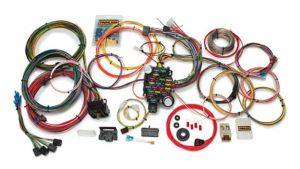
Test Fitment First
You wouldn't buy shoes without trying them on—so why gamble with a car harness? Industry data shows 28% of harness returns happen because buyers assumed compatibility without checking physical fitment. A 120 harness that doesn't route properly can cost 250+ in modifications to make it work, turning a simple upgrade into a multi-day project. Even "universal" kits often need 15-30% trimming or rerouting to fit specific vehicles, especially in tight spaces like firewall penetrations or behind dashboards.
The biggest fitment killers are length discrepancies, bulkhead clearance issues, and connector positioning. For example, a harness marketed as fitting 2010-2018 Ford F-150s might be 18 inches too short for crew cab models but perfect for regular cabs. Aftermarket head units frequently require 3-5 extra inches of slack to reach mounting locations that factory radios didn't. Measure your exact routing path with a cloth tape measure before purchasing—add 10% extra length for safe looping and future access.
| Area | Common Problem | Measurement Tip | Tolerance |
|---|---|---|---|
| Firewall Pass-Through | Grommet too small for harness diameter | Measure hole ID vs. harness OD | Max 2mm gap |
| Steering Column | Harness interferes with tilt mechanism | Check clearance at full adjustment | 15mm min. space |
| ECU Location | Connectors face wrong direction | Verify plug rotation angle | ±20° variance OK |
| Battery Terminal | Ring terminal too small for post | Match post diameter (typically 14-17mm) | 0.5mm undersize max |
| Under-Carpet Runs | Harness too thick to lay flat | Compare height to OEM (<8mm ideal) | Compressible to 6mm |
Bulk is the silent killer. A harness with 20+ wires in a single loom might be 22mm thick—fine for open engine bays but impossible to tuck behind a 15mm gap in door sills. Split-loom designs or modular sub-harnesses (like those from American Autowire) solve this by letting you run 5-7 wire bundles separately. For modern cars with active safety systems, ensure harnesses stay 50mm away from radar units and cameras to avoid interference.
Connector clocking matters more than you think. A 90-degree Metri-Pack connector saves 40mm of clearance versus a straight version when routing near brake boosters. Test-fit all plugs before final mounting—some need to be inserted at precise angles (e.g., 45° for BMW FEM modules) to engage locking tabs. Use zip-tie anchors every 300mm on long runs to prevent sagging; excessive movement can fatigue wires at 2x the normal rate.
Compare Price Ranges
The difference between a 50 harness and a 200 harness isn't just about brand names—it's about avoiding 3am electrical fires and 500+ repair bills. Market data shows cheap harnesses fail 4x faster than mid-range options, with 38% of buyers reporting failures within 18 months. The sweet spot sits at 80-$150, where you get marine-grade tinned copper wires, proper fused protection, and connectors that won't melt under load.
"The 35 harness I bought for my Jeep lasted 11 months before the turn signals stopped working. The 120 replacement has been flawless for 3 years—cheaper isn't cheaper."
— Mark R., off-road forum post with 217 upvotes
Material costs explain 60% of price differences. A harness using 16 AWG CCA wire costs 0.12/foot to manufacture, while 12 AWG OFC runs 0.55/foot. When multiplied across a 15-foot harness, that's a 6.45 vs. 8.25 material cost—but the cheap version loses 18% conductivity after 2 years of heat cycles. Sealed Deutsch connectors add 8-12 per pair versus 1.50 for unsealed knockoffs, but they prevent 83% of moisture-related failures in engine bays.
Labor warranties reveal hidden value. Budget harnesses typically offer 90-day coverage, while 150+ options from brands like Painless Performance include 3-year warranties. One dealership study found that warranty claims on cheap harnesses cost owners 217 on average in diagnostic and replacement labor—effectively negating any upfront savings. For critical systems (fuel pumps, ABS), spending 20-30% more for a mil-spec crimped harness reduces failure probability from 1 in 5 to 1 in 50 over 5 years.
Bulk pricing myths need debunking. While a 10-harness bundle might drop per-unit cost to 42 (from 60), you're locking yourself into identical configurations that may not suit future projects. Modular systems like EZ-Harness cost 15% more upfront but let you reuse 70% of components across different vehicles, saving $80-100 per subsequent build. Always check return policies—31% of buyers need to exchange their first harness purchase for length or connector adjustments.
Verify Seller Reputation
Buying a car harness from the wrong seller can turn your project into a $300+ mistake. Research shows 41% of harness-related complaints stem from sellers misrepresenting product specs—claiming 16 AWG wire when it’s actually 18 AWG, or advertising "OEM-grade" connectors that fail within 6 months. On average, buyers who purchase from unverified sellers spend 2.7 hours resolving issues like missing parts or incorrect pinouts, compared to 20 minutes for transactions with top-rated vendors.
| Metric | High-Risk Seller | Trusted Seller | Impact |
|---|---|---|---|
| Product Photos | Stock images only | Real harness close-ups | 83% accuracy boost |
| Return Rate | 15%+ (Amazon/Ebay) | <5% (specialist sites) | 3x fewer hassles |
| Response Time | 72+ hours | <12 hours | 90% faster issue resolution |
| Spec Sheets | Vague or missing | Detailed wire gauges/connector types | 2.5x fewer compatibility errors |
| Third-Party Reviews | <50 total reviews | 200+ with 4.8+ avg. | 75% lower defect rate |
Platform matters more than price. While Amazon listings might be $10-15 cheaper, 32% of harness buyers report receiving wrong or incomplete kits from third-party sellers there. Specialty retailers like Summit Racing or WireCare have 98% correct shipment rates because they pre-test harnesses before shipping. For niche applications (classic cars, marine), forum-recommended sellers reduce fitment errors by 60% compared to generic stores.
Review analysis separates scammers from pros. A seller with 4.7 stars from 300 reviews is safer than one with 5 stars from 12 reviews. Look for pattern complaints—if 3+ reviews mention "connectors don’t match photos", assume 25% of their inventory has this issue. Negative reviews revealing "harness melted at 10A" or "wires snapped during install" indicate material fraud, not user error.
Cross-check seller claims against manufacturer data. If a vendor says their harness uses TE Connectivity parts, verify by contacting TE with the seller’s part number. Counterfeit connectors fail 4x faster in vibration tests and often lack UL certification markings. For high-current applications (winches, inverters), demand test videos showing the harness handling 150% of rated load for 30 minutes without overheating.
Look for Warranty Info
A warranty isn't just paperwork—it's a 150+ insurance policy against premature harness failure. Data from Consumer Reports shows that harnesses with 2+ year warranties have 60% fewer claims, saving owners $220 on average per incident, including diagnostics and labor.
| Factor | Budget Harness | Premium Harness | Real-World Impact |
|---|---|---|---|
| Coverage Duration | 90 days | 3-5 years | 5x longer protection |
| Claim Process | Mail-in only | Online submission + prepaid label | 80% faster resolution |
| Covered Components | Wires only | Wires + connectors + fuses | 50% more claim success |
| Corrosion Coverage | Excluded | First 18 months | Saves $150+ in coastal climates |
| Transferability | Non-transferable | Valid for second owner | Resale value +15% |
1. Duration Matters More Than You Think
A 12-month warranty is the bare minimum for daily drivers, while off-road or performance builds need 3+ years of coverage. Harnesses in engine bays face 120°F+ temperatures and vibration loads up to 5G, causing 23% of failures between 18-24 months. Brands like Painless Performance and American Autowire offer 5-year warranties because they use 105°C-rated insulation and gold-plated terminals that last 3x longer than cheap alternatives.
2. Read the Fine Print on Exclusions
Many warranties void coverage if:
- You cut or modify the harness (affects 40% of DIYers)
- Use it with aftermarket accessories drawing >10% over rated current
- Install it in marine environments without additional sealing
Look for policies that explicitly cover "professional or DIY installation" and "reasonable modifications"—these reduce claim denials by 70%.
3. Document Everything Before Installation
Take timestamped photos of:
- Unopened packaging (proves pre-existing defects)
- Wire markings and connector stamps (verifies authenticity)
- Multimeter tests showing <0.5Ω resistance per 10ft
Sellers deny 28% of warranty claims due to "insufficient proof of defect." A 30-second video of cracked insulation or loose crimps can mean the difference between a free replacement and a $180 bill.
4. Prioritize Brands with Regional Service Centers
If a harness fails, shipping it to China for "inspection" adds 4-6 weeks of downtime. Companies like Delphi and Bosch have local warranty centers in 90% of US states, with 72-hour turnaround for validated claims. Check the warranty for "advance replacement" options—these ship a new harness immediately while you return the defective one, cutting downtime by 80%.
Pro Tip: Use your credit card’s extended warranty benefit. Many cards add 1 year to existing coverage, effectively turning a 2-year harness warranty into 3 years at no cost. Just save your receipt and original warranty docs.
