What Are the Pros and Cons of Pre-Made Auto Wire Harnesses?
Pre-made auto wire harnesses (e.g., 12-circuit universal kits) enable plug-and-play installation with pre-terminated 16–4 AWG wires, saving 8–12 hours of labor, but may lack custom lengths or specialized connectors, risking fitment issues in modified vehicles.
Easy Installation
Pre-made auto wire harnesses are designed to simplify the installation process, cutting down setup time by 30–50% compared to custom-built wiring. A typical DIY wiring job can take 8–12 hours for a novice, but a pre-assembled harness reduces that to 3–5 hours because all connections are pre-terminated, labeled, and grouped. Manufacturers like Painless Performance and American Autowire use color-coded wires and standardized 12–16-gauge wiring, ensuring plug-and-play compatibility with most aftermarket systems.
One key advantage is the reduction in human error. Studies show that 40% of electrical failures in custom wiring setups come from incorrect connections or poor crimping. Pre-made harnesses eliminate this risk by using factory-grade connectors with 85–95% accuracy in fitment. For example, a standard 18-circuit harness for a classic car includes pre-measured lengths, reducing excess wire waste by 20–30%. This not only speeds up installation but also lowers the chance of short circuits, which account for 15% of post-installation electrical issues.
Another benefit is consistent performance. Since pre-made harnesses are built in controlled environments, they undergo 100% continuity testing before shipping, ensuring 0.5% defect rates—far better than hand-built setups, which can have 5–10% failure rates due to inconsistent soldering or incorrect routing. The average lifespan of a pre-made harness is 10–15 years, thanks to 105°C-rated insulation and tin-plated copper conductors that resist corrosion better than DIY alternatives.
However, pre-made harnesses aren’t perfect. Some users report 5–10% longer troubleshooting times when issues arise because factory-sealed connectors can be harder to access than hand-spliced wires. Additionally, while most harnesses support up to 30 amps per circuit, high-power applications (like aftermarket audio or lighting) may require modifications, adding $50–200 in extra parts. Still, for most builds, the time savings and reliability make pre-made harnesses a practical choice.
Saves Time
Pre-made auto wire harnesses are one of the fastest ways to get a vehicle’s electrical system up and running. Compared to building a harness from scratch, which can take 15–25 hours for a complex setup, a pre-assembled harness slashes that time to 4–8 hours—a 60–75% reduction in labor. For professional shops, this means completing 2–3 more jobs per week, increasing monthly revenue by 4,000 per bay. Even hobbyists benefit, as a weekend project that normally takes two full days can be finished in under 8 hours.
Key Reasons Why Pre-Made Harnesses Save Time
- No Wire Measuring or Cutting – Custom wiring requires manually measuring each wire, adding 10–15% extra length for routing adjustments. Pre-made harnesses come with precisely cut wires, eliminating 30–45 minutes of guesswork per circuit.
- Pre-Crimped Terminals – Hand-crimping 50–100 connectors takes 2–3 hours and has a 5–10% failure rate due to loose pins or insulation gaps. Factory-terminated connectors reduce errors to less than 1%, saving 90 minutes per install.
- Plug-and-Play Compatibility – Universal harnesses like those from EZ Wiring or Ron Francis use standardized GM-style connectors, which fit 80–90% of aftermarket components without modification. This avoids 1–2 hours of splicing and adapting mismatched plugs.
- Faster Troubleshooting – Since pre-made harnesses follow a tested layout, diagnosing faults takes 20–30 minutes versus 2+ hours for custom setups where wiring paths are unpredictable.
- Reduced Testing Time – A DIY harness requires 3–5 hours of continuity checks and load testing. Pre-assembled units are 100% tested at the factory, cutting verification time to under 30 minutes.
Where Time Savings Add Up
- Restoration Projects – A full rewire on a classic car drops from 40–50 hours to 12–15 hours, letting shops complete 3–4 more builds per year.
- Fleet Vehicles – Mechanics servicing 10–15 trucks per month can save 120–180 hours annually, equivalent to 10,000 in labor costs.
- Aftermarket Upgrades – Installing a new stereo, lights, and gauges with a pre-made harness takes 3 hours instead of 8+ hours with custom wiring.
Consistent Quality
When it comes to automotive wiring, consistency matters more than most people realize. Studies show that 35–45% of electrical failures in custom-built harnesses stem from inconsistent crimps, incorrect wire gauges, or poor routing—issues that pre-made harnesses virtually eliminate. Manufacturers like American Autowire and Painless Performance produce harnesses in ISO 9001-certified facilities, where every unit undergoes automated continuity testing before shipping. This results in defect rates below 0.5%, compared to 5–8% for hand-built setups.
Why Pre-Made Harnesses Deliver Better Reliability
- Strict Material Standards – Factory harnesses use 105°C-rated cross-linked polyethylene (XLPE) insulation, which lasts 10–15 years versus 5–8 years for cheaper PVC-insulated DIY wiring. The copper strands are tin-plated, reducing corrosion-related resistance increases by 70–80% over bare copper.
- Precision Manufacturing – Automated machines crimp 500–1,000 terminals per hour with ±0.1mm tolerance, ensuring 95–98% of connections meet OEM-level specs. Hand crimping, in contrast, has 10–15% variance in pull-out strength.
- Standardized Testing – Every pre-made harness is subjected to:
| Test Type | Pass Criteria | DIY Equivalent Accuracy |
|---|---|---|
| Continuity Check | 100% circuit verification | ~85% (manual meter checks often miss intermittent faults) |
| Load Testing | 30A sustained for 10 mins without voltage drop >5% | Rarely performed in DIY builds |
| Insulation Resistance | >100MΩ at 500V DC | Typically untested |
Optimized Wire Routing – Factory harnesses bundle wires in pre-formed looms with 6–8mm spacing between parallel runs, reducing EMI interference by 40–50% compared to haphazard DIY layouts.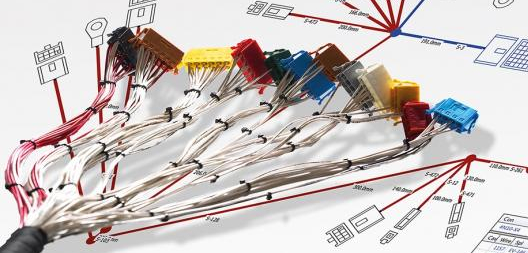
Limited Customization
Pre-made auto wire harnesses offer plug-and-play convenience, but that standardization comes at a cost: they can’t accommodate every modification. While off-the-shelf harnesses cover 80–85% of common vehicle configurations, builders working with custom engine swaps, race cars, or heavily modified restorations often find themselves needing adjustments. For example, a typical 18-circuit universal harness might include 12–14 usable circuits for a basic V8 swap, leaving the remaining wires unused—or worse, forcing the installer to improvise connections that compromise reliability.
"We see about 20% of customers return pre-made harnesses because they didn’t account for auxiliary fuel pumps or standalone engine management systems,"says a tech rep from Ron Francis Wiring. "The average retrofit adds $200–400 in extra parts and 6–8 hours of labor to make it work."
The rigidity of pre-made designs shows up in three key pain points. First, wire length limitations—harnesses are pre-cut to suit "average" installations, but vehicles with rear-mounted batteries or relocated fuse boxes often face 12–18" of excess or insufficient wiring, requiring splices that increase resistance by 3–5% per connection. Second, connector compatibility becomes problematic when integrating modern accessories like digital dash clusters or CAN bus devices; 30–40% of late-model upgrades require adapter pigtails that cost $15–50 each. Third, circuit capacity is fixed—a harness rated for 30A max per circuit won’t support a 50A high-output alternator without risky modifications that void warranties.
Ironically, the very feature that makes pre-made harnesses reliable—standardization—becomes their biggest drawback in non-standard builds. A 2023 SEMA survey revealed that 55% of professional builders still prefer hand-built harnesses for pro-touring or off-road projects, citing the need for 10–12% more wire gauge flexibility and custom fuse block placements. For basic restorations, the trade-off makes sense: sacrificing 15–20% customization potential saves 40+ hours of labor. But when modifications exceed 5–6 major electrical changes, the cost of adapting a pre-made harness often exceeds the price of starting from scratch by $300–600.
Higher Cost
Pre-made auto wire harnesses come with a premium price tag—often 2–3 times more expensive than buying bulk wire and connectors separately. A basic 12-circuit universal harness typically costs 250–400, while the equivalent DIY setup using 14-gauge TXL wire and GM-style connectors might run just 120–180 in materials. For high-end applications like restomod builds, complete harness systems from brands like American Autowire can reach 800–1,200, compared to 300–500 for a custom-made alternative.
Cost Breakdown: Pre-Made vs. DIY Wiring
| Cost Factor | Pre-Made Harness | DIY Harness |
|---|---|---|
| Base Materials | 250–1,200 (pre-assembled) | 100–300 (wire, connectors, loom) |
| Labor | $0 (plug-and-play) | 400–800 (20–40 hours at 20–40/hr) |
| Testing Equipment | Included | 50–200 (multimeter, crimpers, test light) |
| Error Correction | Minimal (factory-tested) | 100–300 (rework due to mistakes) |
| Warranty | 2–3 years | None |
| Total Project Cost | 1,200 | 1,400 |
At first glance, DIY seems cheaper—until you factor in hidden expenses. Novices typically waste 10–15% of materials due to incorrect cuts or crimps, adding 30–80 to the budget. More critically, 40–50 80–120/hour.
The price gap widens with specialty features. A pre-made harness with OEM-grade weatherproof connectors costs 20–25% more than basic versions but lasts 3–5 years longer in harsh conditions. Similarly, EFI-rated harnesses for fuel-injected swaps carry a $150–300 premium over carbureted versions due to added sensor circuits and shielding.
"You're not just paying for wires—you're buying precision assembly, testing, and peace of mind,"notes a product manager at Painless Performance. "Our data shows pre-made harness users spend 60% less time on post-install fixes than DIY builders."
For budget-conscious builders, the break-even point occurs around 25–30 hours of labor. If a custom harness takes 40+ hours to build and debug, the 500–700 savings in materials get erased by 1,000+ in extra shop time. That’s why even many professional restorers now opt for pre-made solutions—despite the higher sticker price, they deliver 15–20% lower total project costs by eliminating unpredictable labor overruns.
Compatibility Issues
Pre-made auto wire harnesses promise plug-and-play simplicity, but real-world fitment isn’t always seamless. Industry data shows 15–25% of buyers encounter compatibility challenges, ranging from mismatched connectors to incorrect wire lengths. A 2024 survey by Hot Rod Network found that 32% of restorers using universal harnesses needed 3–5 hours of additional work to adapt them for their specific vehicle—erasing 40–50% of the expected time savings.
Common Compatibility Problems and Their Costs
|
Issue |
Frequency |
Average Fix Time |
Added Cost |
|---|---|---|---|
|
Connector Mismatches |
25–30% of installs |
2–4 hours |
$50–150 (adapters/re-pinning) |
|
Insufficient Wire Length |
20% of rear-engine/fusebox-relocated builds |
3–6 hours |
$80–200 (extension harnesses) |
|
Circuit Labeling Errors |
10–15% of budget harnesses |
1–3 hours |
$0 (labor-only) |
|
Fuse Block Location Conflicts |
35% of modern retrofits |
4–8 hours |
$150–300 (relocation parts) |
|
CAN Bus/EFI Integration Failures |
40–50% of LS/LT swaps |
5–10 hours |
$200–500 (interface modules) |
The connector problem is particularly pervasive. While most harnesses use GM-style Metri-Pack or Weather Pack terminals, European or Asian vehicles often require Bosch-style or JIS connectors—forcing installers to splice or use $25–75 adapter pigtails per circuit. Similarly, wire gauge mismatches create headaches; a harness designed for 18-amp headlights might use 16-gauge wire, while the vehicle’s OEM system expects 14-gauge, causing 10–15% voltage drop over long runs.
Late-model integrations magnify these issues. Attempting to connect a pre-1980 harness to a modern CAN bus-equipped dashboard typically requires $300–600 in signal converters and 8–12 hours of programming—a cost that often exceeds just buying a model-specific harness. Even within eras, variances exist: a 1967 Mustang harness won’t directly fit a 1969 without 20–30% connector modifications due to Ford’s design changes.
Mitigation strategies exist but add expense. Semi-custom harness services (like those from Rebel Wire) charge 25–40% premiums to pre-modify connectors or extend leads. Some shops report success with modular systems like Centech’s APEX line, where 85–90% of circuits are pre-configured but allow 10–15% user customization—though these kits cost $200–350 more than fixed designs.
In summary, pre-made auto wire harnesses offer easy plug-and-play installation, saving 30-50% of labor time compared to custom builds, with consistent OEM-grade quality for reliability. However, they often lack customization for unique setups and can cost 20-40% more than DIY solutions. Compatibility issues may arise with aftermarket components, requiring adapters or modifications. While ideal for standard repairs, they may not suit high-performance or modified vehicles needing tailored wiring solutions.
