What Are the 3 Basics of Automotive Wiring Harnesses
Automotive wiring harnesses rely on 0.5–10 mm² copper wires (thin for signals, thick for power), sealed connectors (e.g., Deutsch DTMs for waterproof 12V/48V circuits), and corrugated conduit or braided sleeves to protect against abrasion, heat (up to 150°C), and EMI in tight engine bay routing.
Wire Types and Uses
Automotive wiring harnesses rely on different wire types, each optimized for specific electrical loads, temperatures, and environments. A typical car contains 1,500–5,000 wires, spanning 1–3 miles (1.6–4.8 km) in length, with copper being the dominant conductor (used in 95%+ of cases). However, aluminum-coated wires are gaining traction in high-voltage EV applications, reducing weight by up to 50% compared to pure copper. The thickness (gauge) of wires varies—18 AWG (1.02 mm²) handles 10–15 amps for lighting, while 8 AWG (8.37 mm²) supports 50+ amps for alternators or battery connections.
Temperature resistance is critical: PVC-insulated wires work in -40°C to 105°C ranges, while silicone or Teflon-coated wires endure 200°C+ near exhausts. Shielded twisted pairs reduce electromagnetic interference (EMI) by 60–80%, crucial for CAN bus (500 kbps data transfer) and sensor signals.
|
Wire Type |
Gauge (AWG) |
Max Current (A) |
Temp Range (°C) |
Common Use |
|---|---|---|---|---|
|
Thin-wall PVC |
18–22 |
5–15 |
-40 to 105 |
Interior lights, sensors |
|
GPT (primary) |
14–16 |
20–30 |
-40 to 85 |
Headlights, fans |
|
SXL (cross-linked) |
8–12 |
40–60 |
-40 to 125 |
Alternator, battery |
|
Shielded (coaxial) |
20–24 |
<5 |
-40 to 150 |
GPS, radio, CAN bus |
"A 10% reduction in wire diameter can save ~2 kg per vehicle—critical for EVs where every kilogram impacts range." — SAE International Report, 2023
Copper vs. Aluminum: While copper offers ~60% better conductivity, aluminum wires are 40% lighter and 30% cheaper, making them viable for non-critical, high-length runs (e.g., grounding). However, aluminum’s higher resistance requires a 1.5x thicker gauge to match copper’s current capacity.
High-voltage cables (300V+) in EVs use silicone insulation and 600V-rated shielding to prevent arcing. A Chevy Bolt’s battery harness, for example, uses 35 mm² cables to sustain 200+ amps continuously. Corrosion resistance is another factor: tin-plated copper lasts 10–15 years in humid climates, versus 3–5 years for bare copper.
Flex life matters for wires in doors or trunks—high-strand counts (65+ strands in 18 AWG) endure 100,000+ bend cycles before failure. In contrast, solid-core wires crack after <5,000 cycles.
Cost breakdown:
-
Standard GPT wire: 0.30 per meter
-
High-temp (Teflon): 1.20 per meter
-
Shielded twisted pair: 2.50 per meter
Future trends: 48V mild-hybrid systems are pushing 10 AWG wires into mainstream use, while automated wire-cutting machines now trim harness assembly labor by 20%.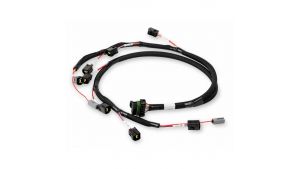
Connector Functions
A modern vehicle uses 300–1,500 electrical connectors, each serving a specific power, signal, or data role. These connectors must handle vibration (up to 30G), temperature swings (-40°C to 125°C), and moisture (IP67 rating in critical zones) while maintaining <10 milliohms of contact resistance to avoid voltage drops. Poor connector design accounts for ~40% of wiring harness failures, leading to 1,000 repair bills for issues like flickering lights or ECU communication errors.
Sealed vs. Unsealed Connectors:
-
Sealed connectors (IP6K9K-rated) dominate underhood and exterior applications, costing 8.00 per unit but lasting 10+ years in harsh conditions.
-
Unsealed connectors (IP20-rated) are 50% cheaper (3.00) but limited to interior use (dashboards, seats) where dust and water exposure are minimal.
|
Connector Type |
Pins |
Current (A) |
Voltage (V) |
Lifetime Cycles |
Cost (USD) |
|---|---|---|---|---|---|
|
Deutsch DT |
2–12 |
13–50 |
12–600 |
500+ |
2.50–12.00 |
|
Molex MX150 |
2–4 |
10–20 |
12–48 |
50 |
0.80–3.00 |
|
TE AMP SuperSeal |
1–6 |
5–30 |
12–300 |
100+ |
1.20–6.50 |
|
JST XH |
2–10 |
3–10 |
12–24 |
30 |
0.30–1.50 |
Termination methods impact reliability:
-
Crimp connections are 90% of automotive use, with properly crimped joints lasting 15+ years (vs. solder joints failing in 5–8 years due to vibration fatigue).
-
IDC (Insulation Displacement Connectors) save 30% assembly time but have higher resistance (20–50 milliohms), making them unsuitable for high-current (>10A) circuits.
High-voltage connectors (EVs) require double-locking mechanisms and orange insulation (ISO 6722 standard) to prevent accidental contact. A Tesla Model 3 battery pack uses 90+ high-voltage connectors, each rated for 300A continuous load and 1,000V isolation. Loose HV connectors can cause arcing, leading to $5,000+ battery control module replacements.
Routing and Protection
A vehicle's wiring harness routing path directly impacts durability, serviceability, and failure rates. Poor routing causes 30% of electrical faults, including chafed wires (leading to shorts) and connector strain (causing intermittent signals). Modern cars use 15–25 separate wire bundles, each secured with clips, ties, or conduits every 150–300mm to prevent excessive movement. Vibration-induced wear can degrade unprotected wires in under 3 years, while proper routing extends lifespan to 10+ years.
Key Factors in Wiring Harness Routing
-
Distance from Heat Sources
Wires near exhausts or turbochargers must withstand 150°C+ temps, requiring reflective sleeves or fiberglass wraps. Routing >100mm away from hot components reduces failure risk by 70%.
-
Bend Radius Control
Sharp bends (>90°) increase wire fatigue—6mm minimum radius for 18 AWG wires prevents conductor damage after 50,000+ flex cycles.
-
Protection Against Abrasion
Unprotected wires rubbing against metal edges fail in <2 years. Split convoluted tubing (cost: 1.00/meter) reduces abrasion by 90%.
-
Water and Chemical Exposure
Underbody harnesses need sealed conduits (IP67 rating) to prevent corrosion from road salt (reducing wire life by 60% in 5 years).
-
EMI Shielding for Sensitive Signals
CAN bus and sensor wires must stay ≥50mm from high-current cables to avoid interference. Twisted pairs + foil shielding cut signal noise by 80%.
Cost of Poor Routing:
-
Abrasion-related shorts cost 800 to diagnose and repair.
-
Heat-damaged wires near engines require 1,200 harness replacements.
-
EMI-induced ECU errors trigger false fault codes, wasting 2–3 hours of shop labor (300).
Best Practices for Longevity:
-
Use nylon cable ties (rated for 85°C+) every 200mm—cheap PVC ties degrade in <5 years.
-
Route wires parallel to vehicle motion to minimize stress during acceleration/braking.
-
Avoid zip ties on HV cables—high-voltage harnesses need fiberglass straps to prevent cutting into insulation.
In summary, the three basics of automotive wiring harnesses are wire types, connectors, and routing. Wires are typically copper (16-22 AWG gauge), insulated with PVC or Teflon for heat resistance. Connectors (like Deutsch or Molex) ensure secure, corrosion-resistant connections, often sealed for moisture protection. Proper routing involves securing harnesses with loom tubing or zip ties away from sharp edges and heat sources to prevent damage. Using split conduit or braided sleeving further protects against abrasion, ensuring long-term reliability in harsh vehicle environments.
