Cable Harness vs. Wire Harness | What's the Difference in 2025
In 2025, a wire harness typically bundles ≤10 simple, unshielded wires (e.g., 18AWG, 12V DC) for low-complexity tasks like interior lighting, using basic crimping. A cable harness, by contrast, integrates ≥20 multi-core wires (e.g., 12-4AWG, 400V AC/5G Hz), EMI shielding (90% coverage), and connectors with gold-plated pins (5μm thickness), undergoing 1,000-hour salt-spray testing for harsh environments like EV powertrains.
Basic Components and Structure
At the core, a wire harness typically groups multiple individual wires—often ranging from 2 to 20 conductors—using simple bundling methods like cable ties or sleeves. These are common in low-voltage applications, such as inside household appliances or basic automotive sensors, where wires are 16 to 24 AWG and operate below 60V.
- Shielding (e.g., foil or braided copper, covering 80% to 95% of surface area) to reduce EMI/RFI interference,
- Multiple layers of insulation with thicknesses from 0.5 mm to 2.5 mm,
- And fillers or strength members like aramid yarn to withstand pull forces over 250 Newtons.
For example, in industrial robotics, a single cable harness may carry power (e.g., 480V, 30A), data (1 Gbps Ethernet), and signal lines (4-20 mA) within one integrated assembly, reducing installation space by up to 40% compared to loose wires.
A well-designed cable harness can operate in temperatures from -55°C to 125°C, resist exposure to oils, solvents, or moisture (tested at 95% humidity), and maintain signal integrity even under strong vibrational loads up to 5 Gs. The added shielding can attenuate noise by 60 dB or more at frequencies above 100 MHz. However, this complexity increases material cost—typically 15–25% more than a basic wire harness—and requires more precise design and testing cycles, often adding 2 to 3 weeks to prototyping. Still, the payoff is greater reliability: systems using structured cable harnesses report up to 30% fewer field failures in high-interference environments. Whether you’re routing simple low-voltage circuits or integrating multi-signal lines in harsh settings, understanding these structural differences helps ensure longer service life—often exceeding 10 years—and lower maintenance costs over time.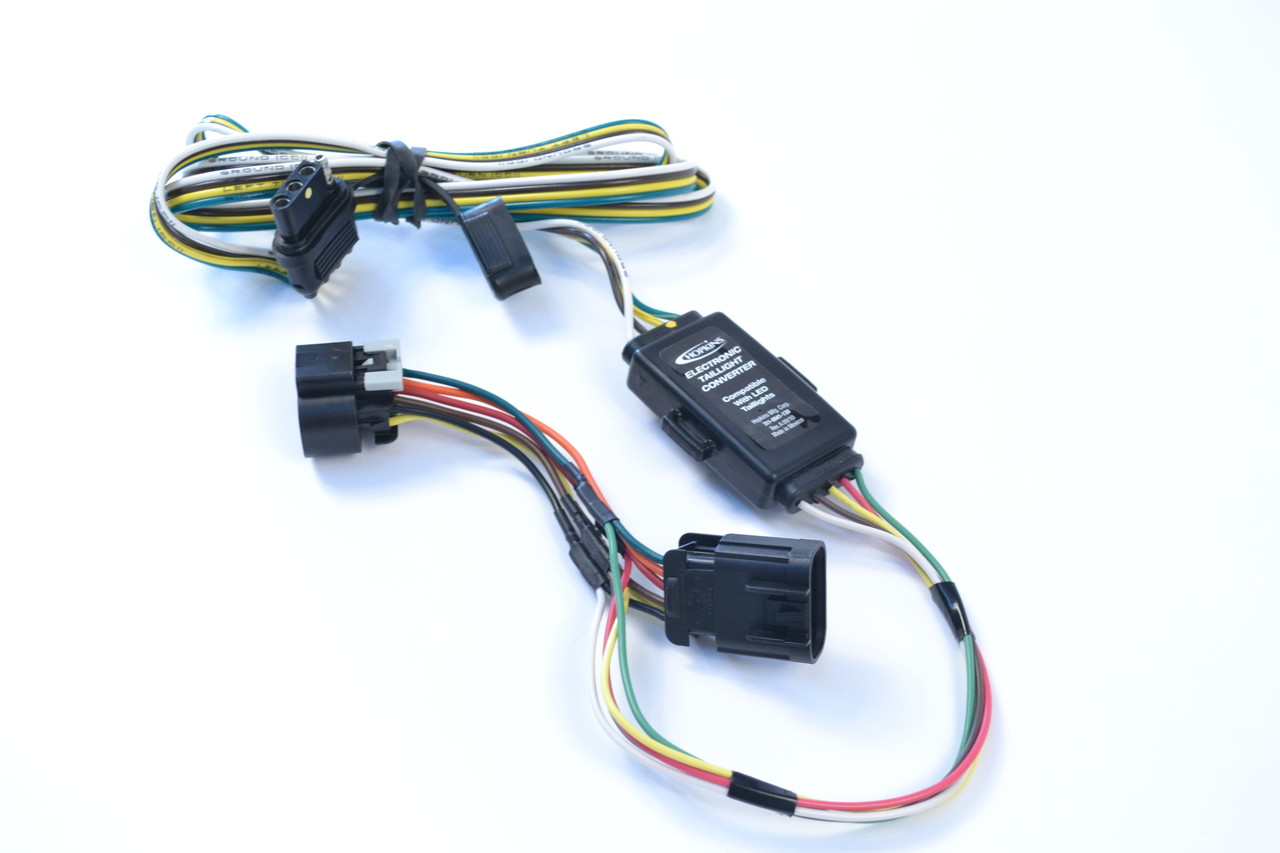
Physical Appearance and Build
A typical wire harness might consist of 5 to 10 separate individual wires, each with a diameter between 0.5 mm² and 2.5 mm², loosely bundled together using inexpensive nylon zip-ties or PVC tape. It’s a simple, low-cost solution, often seen in indoor applications like consumer electronics or residential wiring. In contrast, a cable harness is a fully integrated assembly—multiple insulated conductors (often 4 to 24) are encased within a single, ruggedized outer jacket made of materials like thermoplastic elastomer (TPE) or polyurethane, with a typical outer diameter between 6 mm and 25 mm.
| Feature | Wire Harness | Cable Harness |
|---|---|---|
| Outer Jacket | Usually absent; loose sleeves or tapes | Single, molded jacket (0.8 - 2.5 mm thick) |
| Bending Radius | Low (~ 5 x wire diameter) | Higher (~ 10 - 15 x cable diameter) |
| Weight (per meter) | Lighter (e.g., 40 - 100 grams) | Heavier (e.g., 120 - 400 grams) |
| IP Rating | Low (e.g., IP20 - IP40) | High (e.g., IP67 - IP69K) |
| Color Coding | Individual wires are color-coded | Outer jacket is often one color; internal markers |
For instance, a high-quality TPE jacket can endure temperatures from -40°C to 105°C and has a tensile strength exceeding 15 MPa, allowing the assembly to handle continuous flexing cycles—often over 5 million cycles at a bend radius of 80 mm. The build process is also more involved. While a simple wire harness for a car stereo might take 15 minutes to assemble manually, a shielded cable harness for an industrial robot requires automated machinery for twisting, shielding, and jacketing, adding 20-30% more manufacturing time and a per-unit cost that is 25-50% higher.
The integrated shielding in a cable harness—often 85% coverage braided copper—can reduce electromagnetic interference (EMI) by 60 dB at 100 MHz, which is crucial for data signals traveling at 1 Gbps. The final product is a cohesive, engineered unit that maintains signal integrity under vibration loads exceeding 3 Gs and in humid environments up to 95% relative humidity, ensuring a service life often surpassing 12 years.
Common Applications and Uses
A simple wire harness, costing between 50 per unit, is perfectly suited for benign, low-voltage environments where space and budget are primary constraints. In contrast, a complex cable harness, with a price tag ranging from 500, is deployed where reliability under stress is non-negotiable, such as in manufacturing plants with high EMI or in vehicles subjected to constant vibration and temperature swings. The cost difference reflects the added materials—like shielding that accounts for 25-30% of the total weight—and the more complex assembly process, which can take 3 to 5 hours per unit.
| Application Domain | Wire Harness Typical Use | Cable Harness Typical Use |
|---|---|---|
| Automotive | Interior lighting, basic sensors | Engine control units (ECUs), battery management systems |
| Industrial | Control cabinet internal wiring | Robotic arms, CNC machines, motor drives |
| Consumer Electronics | Desktop computers, home appliances | N/A |
| Outdoor/Heavy Duty | N/A | Agricultural machinery, wind turbine systems |
| Data Transmission | USB cables, short-length internal data links | Machine vision systems, high-speed server racks |
In the automotive sector, wire harnesses are ubiquitous in low-speed signal and power distribution for non-critical features like interior door controls (12V, <5A) and dashboard lights. They are cheap to produce in volumes of over 10,000 units per week and are designed for a 5-10 year service life. However, under the hood, where temperatures can spike to 125°C and exposure to engine oils and fuels is common, a cable harness takes over. These assemblies bundle thick power lines (e.g., 25 mm² cables for 150A starter motors) with shielded twisted pairs for CAN bus communication (500 kbps data rate), all within a single oil-resistant jacket. This integration reduces installation time by ~15% and minimizes failure points.
A standard wire harness connects components inside a protected control cabinet. But on the factory floor, a cable harness is essential for connecting robotic joints that perform over 20,000 repetitive cycles per day. These harnesses are built to withstand continuous flexing with a minimum bend radius of 80 mm, IP67 rated to resist dust and coolants, and often include multiple coaxial cables for vision systems transmitting data at 1 Gbps. The shielding effectiveness, often >90% at 100 MHz, ensures signal integrity in high-EMI environments near 480V motor drives. This robustness translates to mean time between failures (MTBF) exceeding 100,000 hours, a key reason for their use in applications where downtime costs can exceed $10,000 per hour.
Material and Protection Differences
A standard wire harness typically uses basic materials like PVC insulation rated for 80°C and inexpensive nylon bundling, focusing on low cost (often under $3 per meter) and simplicity for indoor use. In stark contrast, a cable harness is an exercise in material science, employing advanced polymers, metals, and composites to create a unified, resilient assembly designed to survive harsh conditions for over 10 years. This material upgrade isn't trivial; it can increase the unit cost by 40-60% but is justified by a 70% or higher reduction in field failures in demanding applications.
Wire harnesses often use thin PVC (0.2 - 0.5 mm thickness) with a dielectric strength of ~20 kV/mm, sufficient for low-voltage applications below 50V. Cable harnesses step up to materials like cross-linked polyethylene (XLPE) or silicone rubber, which offer superior thermal resistance, functioning continuously at 125°C and handling short-term spikes to 150°C. Their dielectric strength is also higher, typically 30-40 kV/mm, which is critical for managing 480V power lines and preventing breakdowns from voltage transients.
Beyond insulation, the outer jacket is where the true protection emerges. While a wire harness might use a simple braided sleeve, a cable harness uses a single, extruded jacket that acts as the first line of defense. Common materials include:
- Thermoplastic Polyurethane (TPU): Valued for its abrasion resistance, surviving over 1,000,000 cycles on a standardized test apparatus. It also offers good flexibility at temperatures down to -40°C.
- Chlorinated Polyethylene (CPE) or Hypalon: These materials provide exceptional resistance to oils, chemicals, and UV radiation, maintaining integrity after 1,000 hours of accelerated weathering testing.
- Neoprene: A classic choice for high-temperature and flame resistance, often meeting UL standards for flame spread, with a typical limit of <5 seconds after-flame time.
The most significant protective element in a cable harness, however, is integrated shielding. This is not an optional extra but a core design feature. A common configuration is a braided copper shield with 85-95% coverage, which can reduce electromagnetic interference (EMI) by 50-60 dB at frequencies of 100-500 MHz.
For extremely noisy environments, a combination of foil (100% coverage) and a braid is used, pushing attenuation beyond 70 dB. This shielding is crucial when data lines carrying signals at 1 Gbps are routed alongside 20A motor power lines that create significant electrical noise. The entire assembly is often sealed to ingress protection ratings like IP67, meaning it can be submerged in 1 meter of water for 30 minutes without failure, and is tested to withstand humidity levels of 90-95%. This comprehensive material and protection strategy results in a product that is not just a bundle of wires, but a engineered component with a defined mean time between failures (MTBF) exceeding 80,000 hours in industrial settings.
Installation and Maintenance Tips
A poorly installed harness, even with premium materials, can lead to a 50% reduction in its expected 10-year service life. The key differentiator lies in the complexity: installing a basic wire harness in a consumer device might take 15 minutes and require only 50 in basic tools, while routing and securing an industrial cable harness can demand 2-3 hours and specialized equipment, representing a significant portion of the total project labor cost, which can reach 30-40%, while repairing a specialized cable harness on-site can prevent 5,000 in machine downtime but requires skilled technicians charging 90-$120 per hour.
The most critical rule is respecting the minimum bend radius, which is typically 10 to 15 times the outer diameter of the cable. Forcing a 12 mm diameter harness around a 100 mm radius corner will crush internal components, potentially increasing signal attenuation by over 20% and risking conductor breakage after 5,000 flex cycles. Secure clamping is non-negotiable in high-vibration environments like agricultural machinery; use stainless steel clamps every 300-400 mm and torque them to 2.5-3.5 N·m to dampen vibrations exceeding 5 Gs without damaging the jacket. For connectors, ensure each pin is fully seated with an insertion force of 20-40 Newtons and use a dielectric grease compatible with the insulation to maintain an IP67 seal and prevent corrosion that can increase resistance by 5-10 milliohms.
A simple visual inspection for a wire harness might be annual, but for a cable harness in continuous operation, a quarterly check is recommended. Focus on:
- Abrasion Points: Measure jacket wear depth; if it exceeds 30% of the original 1.5 mm thickness, plan for replacement.
- Connector Integrity: Use a thermal camera during operation to identify terminals with temperature rises >10°C above ambient, indicating a loose connection increasing resistance.
- Shielding Effectiveness: Perform an annual resistance check on the shield drain wire; a reading over 50 milliohms per meter suggests corrosion or breakage, reducing EMI protection.
Instead, use a vulcanizing rubber splice kit rated for the same IP level and temperature range. This repair, taking 45 minutes, can restore 90% of the original jacket's tensile strength and prevent $8,000 in replacement costs. Log all maintenance; tracking the performance degradation of a harness over 5,000 operating hours provides data to predict failures and schedule downtime during planned maintenance windows, optimizing operational efficiency and safety.
How to Choose Between Them
A basic wire harness might have an initial unit cost of 15-50, making it attractive for high-volume consumer goods. However, in a harsh environment, its mean time between failures (MTBF) could plummet to under 10,000 hours, leading to replacement costs and downtime that exceed 20,000 over five years. Conversely, a cable harness with a higher upfront cost of 80-$300+ can deliver an MTBF of 80,000-100,000 hours, offering a lower total cost of ownership for demanding applications.
| Evaluation Factor | Choose a Wire Harness When... | Choose a Cable Harness When... |
|---|---|---|
| Budget (per unit) | < $50 | > $80 |
| Operating Environment | Controlled ( indoors, < 60°C, no EMI) | Harsh ( outdoors, -40°C to 125°C, high EMI) |
| Signal Type | Low-speed power (< 5A) & data (< 100 Mbps) | High-speed data (> 1 Gbps), sensitive analog |
| Required Lifespan | 3 - 7 years | 8 - 15+ years |
| Maintenance Access | Easy, low cost of replacement | Difficult, high cost of downtime (>$500/hr) |
If the assembly will face temperatures exceeding 85°C, constant exposure to lubricants or fuels, or relative humidity above 85%, a cable harness with specialized jacketing is mandatory. Next, analyze the electrical requirements. If your bundle includes any data lines running at ≥ 480 Mbps or carries power alongside sensitive signals, the integrated shielding of a cable harness is non-negotiable to prevent EMI from corrupting data; this shielding must provide ≥ 90% coverage to be effective.
In 2025, differentiating Cable Harness vs. Wire Harness hinges on structure and application: Wire Harnesses use 18-22AWG single-conductor wires (1-3 strands) for low-voltage tasks (≤24V, e.g., home appliances), while Cable Harnesses integrate multi-conductor shielded cables (14-20AWG, 2-5 cores) with IP67-rated jackets, handling industrial voltages (12-48V) via torque-keyed connectors (0.8-1.2N·m installation). Choose based on voltage and environment—shielded, thicker jackets for harsh conditions.
