Six locking mechanisms of connectors
What is a Connector Locking Mechanism?
Connectors feature various locking mechanisms, including bayonet, latch, lever, push-pull, screw, and snap-in types. These represent some of the more common styles, though the list is not exhaustive. A connector's locking system serves multiple functions: it aids in coupling and uncoupling, enhances environmental durability, improves mechanical stability, and prevents accidental disconnection.
Bayonet Lock
A bayonet lock features a plug or pin on one connector half and a corresponding socket or hole on the other. To operate, align the two halves, push them together, and rotate the coupling ring (typically about 1/3 of a turn) until you hear a distinct click, confirming engagement. Similarly, a reverse rotation disconnects them. Commonly found on circular connectors for power, signal, or RF contacts, the bayonet design offers excellent resistance to shock and vibration.
Latch Lock
Latch locking uses a spring compression mechanism to prevent the two connector halves from separating or moving relative to each other. The release action varies by design, often requiring a pull, press, or rotation. In circular connectors, robust steel springs are common, enabling quick mating in the field and supporting a high number of mating cycles. Latch mechanisms in rectangular connectors are often simpler plastic designs, suitable for cost-sensitive applications with fewer mating requirements.
Lever Lock
Some rectangular connectors use an external clamping mechanism rather than an internal one. These designs are generally more robust than simple latches. In a typical configuration, one half has a lever arm that engages with a slot or hook on the mating half. Moving the lever draws the connectors together, usually with an audible click, creating a secure, mechanical lock. Lever locks provide strong resistance to shock and vibration and are frequently used in industrial equipment and transportation systems.
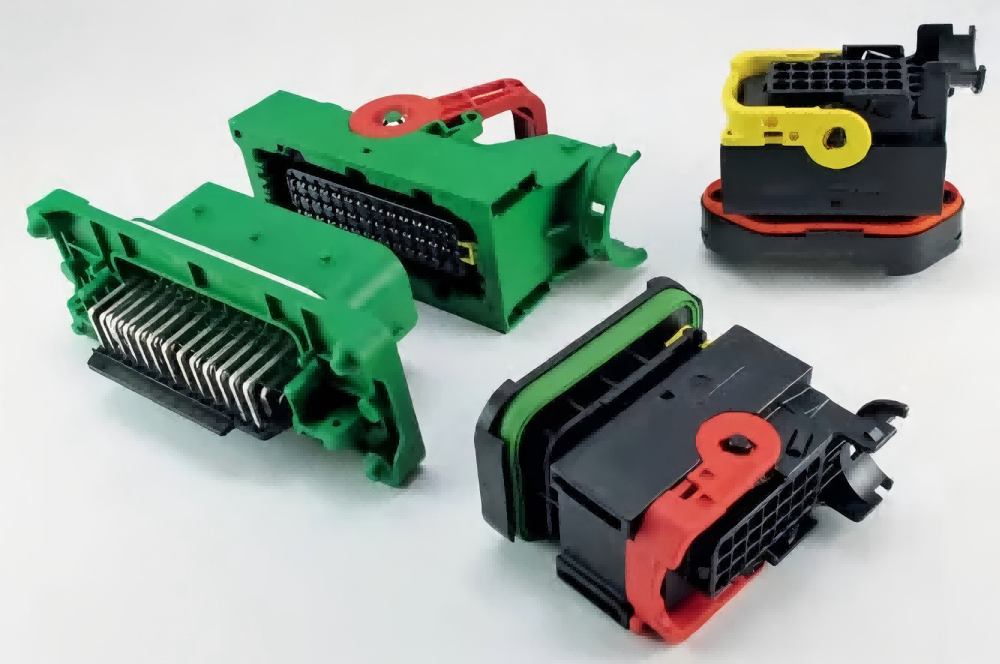
Picture 1: Compared with the simple Latch Locking locking, the horizontal locking connector provides a more robust connection.
Push-Pull Lock
The push-pull lock, sometimes referred to as a push-in or push-to-latch mechanism, offers a simple, tool-free operation. When the two halves are pushed together, an internal latch in the plug retracts and snaps into a matching groove in the socket. Once locked, a simple pull will not accidentally disconnect them. To disconnect, the connector body must be squeezed (or rotated and squeezed in some secure designs) while pulling the halves apart. This simplicity allows for compact designs. Push-pull locks are ideal where frequent, quick connections/disconnections are needed, and accidental un-mating is highly undesirable, such as in medical systems.
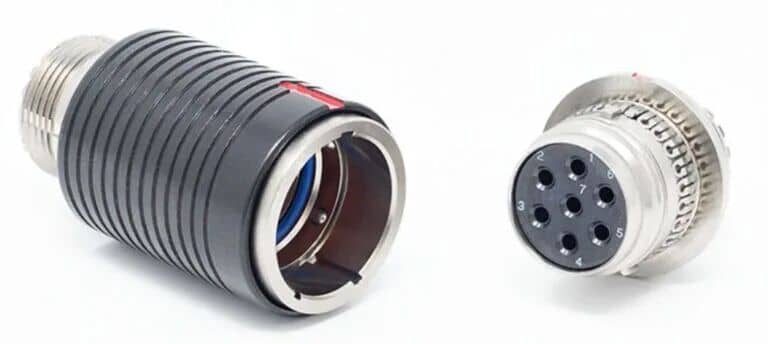
Picture 2: Push-pull locking connectors are used in healthcare applications.
Screw Lock
Screw locking employs a threaded coupling, adding superior environmental sealing to the shock and vibration performance of a bayonet lock. Designs differ between circular and rectangular connectors. Circular connectors typically have mating threads on both halves. Some rectangular connectors use a central screw on one half that threads into a receptacle on the other, often guided by alignment pins. Other types, like D-sub backshells, use a jack-screw mechanism where screws on the backshell thread into a panel-mounted connector.
Snap-In Lock
Snap-in locks, also known as snap-fit or slide-in locks, are simple, low-cost, and compact. They engage with a relatively small force, snapping together easily, and can be pulled apart with similar ease. This can be an advantage or a disadvantage depending on the application. While they allow for rapid connection, their minimal retention force carries a higher risk of accidental disconnection compared to other locking styles. Therefore, they are not used in critical applications such as healthcare but are well-suited for electrical test equipment, where quick, frequent mating/unmating is required and a compact form factor is beneficial.
Summary
A variety of connector locking mechanisms are available, offering different levels of secure mating, with designs ranging from simple to complex. These different styles have been optimized for a wide spectrum of applications—from communications and industrial to military, medical, and test & measurement systems—balancing requirements for security, durability, size, and ease of use.
