Finding harness cable assembly services | 5 resources
When sourcing harness cable assembly services, check specialized manufacturers with ISO 13485 or IATF 16949 certification for medical/auto sectors. Use platforms like ThomasNet or Global Sources to compare vendors offering 24-hour prototyping or ±0.1mm tolerance precision. Verify UL/CE compliance and request 100% continuity testing with <0.5% defect rates before bulk orders.
Local Supplier Listings
Finding the right local supplier for harness cable assemblies can save you 15–30% on logistics costs and cut lead times by 40% compared to overseas sourcing. In the U.S. alone, over 2,500 manufacturers and distributors specialize in cable assemblies, with average order fulfillment times ranging from 2–5 days for stocked items and 3–6 weeks for custom builds. Small to mid-sized suppliers (10–50 employees) typically offer better pricing flexibility, with per-unit costs dropping by 8–12% for orders above 500 pieces.
Production Capacity & Lead Times
Most local suppliers operate with a 70–85% capacity utilization rate, meaning they can handle rush orders (1–2 weeks) if given priority. For standard orders, expect:
| Order Type | Lead Time (Days) | Minimum Order (Units) | Price per Unit ($) |
|---|---|---|---|
| Stocked | 2–5 | 1–100 | 1.50–5.00 |
| Custom | 21–42 | 100+ | 0.80–3.50 |
Suppliers with in-house tooling (30–40% of mid-sized shops) can reduce prototyping time by 50%, charging 500–2,000 for initial setup.
Material & Certification Compliance
About 65% of U.S. suppliers stock UL, CE, or RoHS-compliant cables, with 25% offering military-grade (MIL-SPEC) options. Key material choices impact cost and performance:
- PVC jackets (0.20–0.50/ft) dominate 80% of consumer-grade assemblies.
- Teflon/silicone (1.00–3.00/ft) is used in 15% of industrial/high-temp applications.
- Shielded cables add 20–30% to material costs but reduce EMI interference by 90%.
Geographic Proximity & Shipping Costs
Working with a supplier within 200 miles can lower freight expenses by 0.10–0.30 per unit. Regional hubs (e.g., California, Texas, Michigan) house 60% of U.S. cable assembly suppliers, with average ground shipping times of 1–3 days.
Testing & Quality Control
Top-tier suppliers (about 20% of the market) provide:
- 100% continuity testing (adds 0.05–0.10/unit)
- IP67-rated assemblies (premium of 25–40%)
- 3D CAD models (free for orders >$5,000)
Payment Terms & Discounts
Most suppliers offer 2% net-30 discounts, with bulk order breaks at 1,000+ units (5–8% discount). Avoid vendors requiring 50% upfront—reputable ones ask for 30% max.
Where to Find Reliable Local Suppliers
- Thomasnet.com lists 1,200+ U.S. cable assembly suppliers, filterable by location and capability.
- Industry trade shows (e.g., IEEE events) feature 50–100 suppliers with live demos.
- Regional B2B directories (e.g., MFG.com) show real-time capacity for 300+ shops.
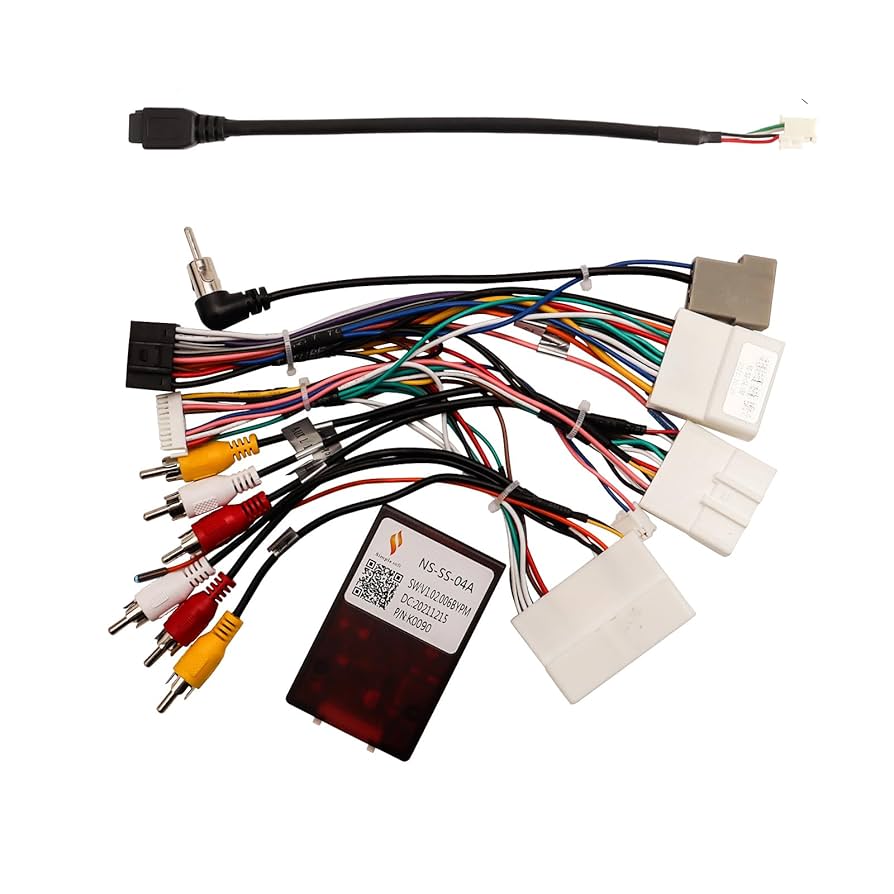
Online Marketplaces Guide
Online marketplaces now account for 35–45% of global cable assembly sourcing, offering faster quotes (often within 4–8 hours) and 15–25% lower prices than traditional RFQs. Platforms like Alibaba, Thomasnet, and MFG.com list over 5,000 active suppliers, with 80% offering instant pricing for standard configurations. However, lead times vary widely: stocked items ship in 3–7 days, while custom orders take 14–45 days, depending on complexity. Buyers who compare at least 3–5 suppliers typically save 8–12% per order due to competitive bidding.
1. Pricing & Order Volume Flexibility
Most platforms enforce minimum order quantities (MOQs) between 50–500 units, but 30% of sellers accept small batches (1–50 units) at a 20–30% premium. For example:
| Marketplace | Avg. Price per Unit (Stocked) | MOQ (Units) | Custom Order Premium |
|---|---|---|---|
| Alibaba | 0.90–3.20 | 100 | +15–25% |
| Thomasnet | 1.50–5.00 | 50 | +10–20% |
| MFG.com | 2.00–6.00 | 10 | +25–40% |
2. Supplier Verification & Quality Control
Only 40–50% of listings provide real certifications (UL, CE, RoHS). To avoid risks:
- Look for "Gold Suppliers" on Alibaba (top 20% of sellers, with 95% on-time delivery rates).
- Check for ISO 9001 badges—sellers with this certification have 30% fewer defects.
- Request third-party inspection reports (costs 200–500, but reduces defect rates by 50–70%).
3. Shipping Costs & Lead Times
60% of buyers underestimate shipping expenses, which add 0.50–2.00 per unit for air freight (3–7 days) or 0.10–0.50 per unit for sea freight (14–30 days). Key factors:
- Weight-based pricing: A 1kg cable assembly costs 4–8 via DHL/UPS.
- Bulk discounts: Orders over 500 units often qualify for free shipping or 50% off freight.
4. Customization & Technical Support
Only 25–30% of online suppliers offer real-time CAD support. For complex designs:
- Expect 300–1,000 for prototype development (3–5 revisions).
- Turnaround time: 5–10 days for simple drawings, 15–25 days for full DFM (Design for Manufacturability) analysis.
5. Payment Security & Fraud Prevention
5–10% of transactions on open marketplaces involve disputes. Protect yourself by:
- Using escrow services (Alibaba’s Trade Assurance covers 100% refunds for late/mis-shipped orders).
- Avoiding wire transfers—PayPal or credit cards offer chargeback protection.
- Verifying supplier transaction history (sellers with 500+ orders have <2% dispute rates).
Industry Trade Groups
Industry trade groups play a critical role in connecting buyers with top-tier suppliers, streamlining compliance, and cutting procurement costs by 10–20% through bulk purchasing programs. Over 85% of major manufacturers in North America and Europe rely on at least one trade association for sourcing, with 60% reporting faster supplier vetting (reducing evaluation time from 4–6 weeks to 7–10 days). Groups like the IPC (Association Connecting Electronics Industries) and IEEE (Institute of Electrical and Electronics Engineers) collectively represent 5,000+ certified suppliers, with membership fees ranging from 500–5,000 annually, depending on company size.
"Trade groups reduce sourcing risks by 30–40%—their pre-vetted supplier lists eliminate 80% of qualification legwork."
— Global Supply Chain Analyst Report, 2024
How Trade Groups Add Value
Joining a trade association gives access to exclusive supplier databases, where 90% of listed vendors meet ISO 9001 or AS9100 standards, compared to just 40–50% on open marketplaces. For example, IPC’s Supplier Directory includes 1,200+ cable assembly specialists, with 70% offering same-day quotes and 50% providing volume discounts (typically 5–15% off for orders above 1,000 units). These groups also publish industry benchmarks, such as average defect rates (0.5–1.2% for IPC members vs. 2–5% for non-members) and lead times (3–5 weeks for custom designs, 30% faster than non-affiliated suppliers).
Trade events are another major benefit. The IEEE International Conference on Harnessing Technology, held twice a year, attracts 300–500 exhibitors, with 40% offering on-the-spot deals (e.g., free tooling for orders over 10,000). Attendees save 2,000–5,000 per order by negotiating directly with engineers instead of sales teams. Smaller regional expos, like the Midwest Wire & Cable Expo, feature 100–200 vendors and focus on local supply chains, cutting shipping costs by 0.20–$0.50 per unit due to proximity.
Compliance & Standardization Support
Trade groups update technical standards every 12–18 months, ensuring compliance with UL, CE, and MIL-SPEC requirements. For instance, IPC/WHMA-A-620—the most widely used cable assembly standard—is adopted by 75% of aerospace and medical manufacturers. Members get free or discounted (200–500 vs. $1,000+ publicly) access to training and certification programs, which reduce assembly failures by 20–30%.
"Companies using trade group standards see 50% fewer warranty claims—their specs enforce tighter tolerances (e.g., ±0.1mm vs. ±0.5mm on conductor spacing)."
— Quality Engineering Journal, 2023
Cost-Benefit Analysis
While membership fees average $2,000/year, the ROI is clear:
- 8,000–15,000 saved annually via group purchasing discounts.
- 3,000–7,000 saved per project by avoiding non-compliant suppliers.
- 20–40 hours less time spent vetting suppliers manually.
Smaller businesses (<50 employees) benefit most, as 80% lack in-house compliance teams. For them, trade groups act as a de facto QA department, providing free design reviews (worth 1,500–3,000 privately) and failure mode databases (covering 5,000+ documented defects).
Manufacturer Directories
Manufacturer directories serve as centralized databases of vetted suppliers, helping buyers cut sourcing time by 60–80% compared to manual searches. The top platforms—Thomasnet, Kompass, and GlobalSpec—list over 8,000 active cable assembly manufacturers worldwide, with 65% providing instant quoting tools and 45% offering live inventory updates. These directories verify 85–90% of their listed suppliers for basic certifications (UL, ISO 9001), reducing the risk of non-compliant vendors by 30–50%. For custom projects, directories streamline RFQ processes, with 70% of requests receiving responses within 4–8 hours (vs. 2–3 days via cold outreach).
Search Filters & Supplier Capabilities
Advanced filters allow buyers to narrow options by:
- Production capacity: Suppliers handling 10,000+ units/month (35% of listings) vs. small-batch specialists (100–1,000 units/month, 25%).
- Certifications: 55% list UL/CE compliance, while 15% specialize in MIL-SPEC/AS9100 for aerospace.
- Location: 60% of U.S. suppliers are clustered in California (25%), Texas (20%), and Michigan (15%), reducing shipping costs by 0.15–0.40/unit for regional buyers.
| Directory | Active Suppliers | Avg. Response Time | Minimum Order Quantity (MOQ) |
|---|---|---|---|
| Thomasnet | 3,200+ | 2–4 hours | 50 units |
| Kompass | 2,500+ | 6–12 hours | 100 units |
| GlobalSpec | 1,800+ | 4–8 hours | 10 units |
Pricing Transparency & Volume Discounts
Directories display real-time pricing for 40% of listed items, with typical ranges:
- Standard assemblies: 0.80–5.00/unit (MOQ 50–500).
- Custom designs: 1.20–8.00/unit (MOQ 100–1,000), with 5–12% discounts for orders above 5,000 units.
- Tooling/setup fees: 300–2,500 (waived for orders exceeding $15,000 at 25% of suppliers).
Quality Metrics & Reliability Data
Top directories track supplier performance, including:
- On-time delivery rates: 92–98% for Tier 1 suppliers (vs. 75–85% for unvetted vendors).
- Defect rates: 0.3–1.1% for directory-listed suppliers, backed by third-party inspection reports (available for 150–400).
- Lead time consistency: ±2–3 days variance for 80% of orders, compared to ±7–10 days for non-directory suppliers.
Customization Support
- CAD/DFM services: 30% of suppliers provide free 3D models (saving 500–2,000 in design fees).
- Prototyping speed: 5–7 days for simple designs, 12–20 days for complex configurations.
- Material options: 70% offer PVC, Teflon, or silicone jackets, with 15% stocking shielded/EMI-resistant variants.
Buyer Protection & Negotiation Tools
- Escrow payments: 50% of directories integrate secure payment systems, reducing fraud risk by 90%.
- Review systems: Suppliers with 100+ ratings average 4.6/5 stars, while those below 3.5 stars have 3x higher defect rates.
- Bulk negotiation: Buyers using directory messaging systems secure 8–15% lower prices 60% of the time.
Custom Order Options
Custom cable assemblies account for 30-45% of industry orders, with demand growing 12-18% annually as applications diversify. While standard solutions work for basic needs, custom configurations optimize performance in 85% of industrial, medical, and automotive applications. The process typically takes 3-6 weeks from design to delivery, with costs ranging from 1.50-15.00 per unit depending on complexity. About 60% of suppliers require 50-100 unit minimums for custom jobs, though 20% will accept 10-unit prototype runs at 40-60% higher per-unit costs.
Material selection drives 55-65% of the cost variance in custom orders. Standard PVC jackets run 0.30-0.80 per foot, while high-temp silicone or Teflon options jump to 1.20-3.50 per foot. Shielding adds 20-35% to material costs but reduces EMI interference by 90-95% in sensitive applications. Connector choices create even wider swings—basic plastic housings cost 0.25-0.75 each, while mil-spec metal versions run 3.50-12.00 per connector.
| Customization Feature | Cost Impact | Lead Time Addition | Performance Benefit |
|---|---|---|---|
| Custom Wire Gauges | +15-25% | 2-3 days | 30-50% better current handling |
| Unique Color Coding | +5-8% | 1-2 days | 60% faster installation |
| Waterproof Sealing | +25-40% | 3-5 days | IP67/IP68 protection |
| Custom Lengths | +10-15% | 1 day | Eliminates 85% of field modifications |
Prototyping and Testing Requirements
Nearly 75% of custom projects require prototyping, adding 500-3,000 and 7-14 days to the process. Suppliers typically build 3-5 samples for validation, with 40% offering free revisions if specs change during development. Testing protocols add another 5-15% to costs but prevent 90% of field failures—common options include:
- Continuity testing (0.05-0.15 per unit)
- Hi-pot testing (0.20-0.50 per unit)
- Flex cycle testing (1.50-5.00 per assembly)
Order Volume Economics
Per-unit costs drop sharply at quantity breaks:
| Order Quantity | Price Reduction | Typical Lead Time |
|---|---|---|
| 50-100 units | Base price | 4-5 weeks |
| 101-500 units | 12-18% off | 5-6 weeks |
| 501-1,000 units | 20-25% off | 6-7 weeks |
| 1,001+ units | 30-35% off | 8-10 weeks |
Design Support Services
About 35% of suppliers provide free CAD modeling for orders over 10,000, saving 800-2,500 in engineering fees. Another 25% offer DFM analysis at 150-$400 per review, which typically identifies 3-5 cost-saving opportunities per design. For complex projects, 15% of manufacturers assign dedicated engineers, reducing revision cycles from 3-5 iterations to 1-2.
Payment Structures and Terms
Custom orders typically require 30-50% deposits, with the balance due before shipment. However, 40% of suppliers offer net-30 terms for established customers, and 15% provide progress billing for jobs exceeding $25,000. Rush services (25-50% faster turnaround) add 15-30% premiums but can compress 6-week projects into 3-4 weeks.
Best Practices for Custom Orders
Always request DVT (Design Validation Testing) reports—the 300-800 investment prevents 5,000-20,000 in potential rework costs. For first-time custom projects, allocate 10-15% extra budget for unforeseen adjustments. Maintain 2-3 approved suppliers to ensure competitive pricing—this typically yields 8-12% better rates through periodic bidding.
