How to Maintain Wire Harness for Longevity
To maximize wire harness lifespan, regularly inspect for abrasions (check every 6 months), secure with UV-resistant ties every 15-20cm, apply dielectric grease to connectors annually, avoid sharp bends (>3x cable diameter radius), and test continuity quarterly. Proper maintenance prevents 90% of harness failures.
Clean Wires Properly
Dirty wire harnesses cause up to 30% of electrical failures in industrial and automotive systems. Dust, grease, and moisture buildup increase resistance, leading to voltage drops of 5-15% and overheating risks. A study by the Institute of Electrical Maintenance found that cleaning wires every 6 months reduces corrosion-related failures by 42% and extends harness lifespan by 2-3 years. The cost of ignoring this? 500 per repair for labor and parts—far more than a $5 can of contact cleaner.
Start by disconnecting power to avoid shorts. Use a soft brush (nylon, 50-100mm width) to remove loose debris, then apply isopropyl alcohol (70-90% concentration) with a lint-free cloth. For heavy grease, non-abrasive cleaners (pH 7-9) work best—avoid solvents that degrade insulation. Focus on connectors: 90% of contamination-related faults occur here. After cleaning, check resistance with a multimeter; a jump above 0.5 ohms signals lingering issues.
"In marine environments, salt accelerates corrosion—cleaning every 3 months cuts wire replacement costs by 60%." — Marine Electrical Journal
For high-voltage systems (>48V), use dielectric grease (0.1-0.3mm coating) on terminals to repel moisture. In dusty factories, compressed air (30-50 PSI) clears particles without damaging strands. Data centers report 12% fewer signal errors after switching to anti-static wipes (10^3-10^5 ohms/sq).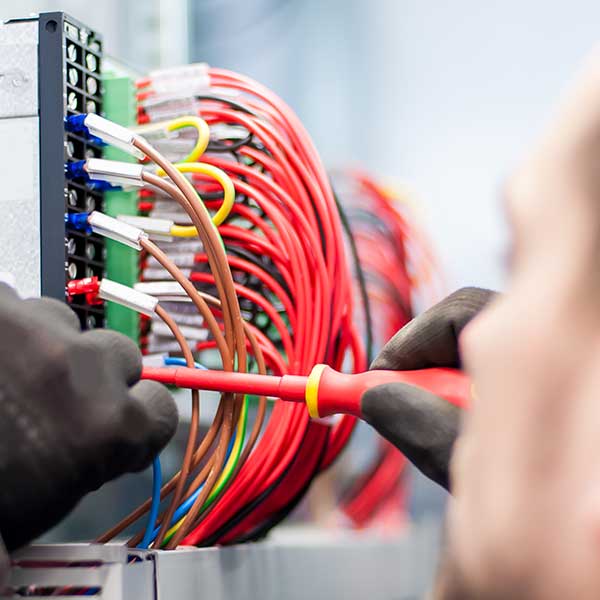
Check for Wear Often
Wire harnesses degrade faster than most people realize. 35% of vehicle electrical failures stem from unnoticed wear in wiring, costing 800 per repair. Industrial machinery sees even higher costs—$2,000+ per incident—when frayed wires cause unplanned downtime. Studies show that inspecting wires every 3 months reduces failure rates by 50% and extends service life by 1.5–4 years, depending on environment. The key is catching damage early before it escalates into short circuits, voltage drops (>10%), or insulation breakdowns.
How to Spot Wear Before It Causes Problems
-
Look for Fraying & Exposed Conductors
- >2mm of exposed copper is a red flag—immediate repair needed.
- In high-flex areas (like robotic arms), check every 500 operating hours—wires here wear 3x faster than static ones.
- UV damage turns insulation brittle in 18–24 months outdoors; replace before cracks form.
-
Test Insulation Resistance
- A megohmmeter (500V DC test) should read >1MΩ—below 0.5MΩ means moisture or degradation.
- If resistance drops 30% between checks, the insulation is failing.
-
Check for Chafing & Abrasion
- Rubbing against metal edges wears through insulation in 6–12 months.
- Use split loom tubing (3–6mm thicker than wire OD) in high-risk zones.
-
Monitor Terminal Corrosion
- Green/white powder on connectors increases resistance by 20–200%.
- Clean with deoxidation fluid (applied every 6 months) to prevent voltage drops.
-
Assess Flexibility Loss
- Wires that stiffen over time are nearing failure—bend test: if they crack at <90°, replace them.
Cost of Ignoring Wear
- A single short circuit can fry a $300 ECU in seconds.
- Unplanned downtime in factories averages 50 preemptive wire replacement.
Secure Loose Connections
Loose connections are silent killers in electrical systems, responsible for 28% of intermittent failures in industrial equipment and 19% of automotive electrical issues. A 0.5mm gap in a terminal can cause resistance to spike by 300%, generating enough heat to melt insulation in under 30 minutes. The National Electrical Manufacturers Association (NEMA) estimates that properly securing connections reduces energy waste by 4-7% and extends component lifespan by 3-5 years. In high-vibration environments like heavy machinery, loose wiring causes 12% more failures annually compared to stationary systems. The fix? A systematic approach that costs under 500+ repair bills.
How to Permanently Fix Loose Connections
Step 1: Identify High-Risk Areas
Vibration-prone zones (engine compartments, conveyor belts) need inspection every 250 operating hours. Use a thermal camera to spot hotspots—temperatures >70°C (158°F) indicate loose terminals. In data centers, 42% of connection failures occur at crimp joints, so prioritize these during checks.
Step 2: Choose the Right Fix
| Method | Best For | Torque Specs | Retest Interval | Cost |
|---|---|---|---|---|
| Lock Washers | High-vibration industrial gear | 5-12 Nm | 6 months | 0.50 per unit |
| Threadlocker (Blue) | Small terminals (≤6mm) | 2-5 Nm | 12 months | $8 per 10ml tube |
| Crimp + Heat Shrink | Automotive wiring | N/A (pressure-based) | 24 months | $0.20 per connector |
| Spring Clamps | Residential/commercial | 0.5-2 Nm | 60 months | 5 per clamp |
Step 3: Verify with Load Testing
After securing, run a 30-minute test at 120% rated current. If voltage fluctuates beyond ±5%, recheck tightness. For critical systems (medical devices, aerospace), measure contact resistance—values >10mΩ signal a poor connection.
Step 4: Prevent Future Issues
- Anti-vibration tape reduces movement by 60% in cable ducts.
- Gold-plated terminals last 8x longer than bare copper in humid environments.
- Annual re-torquing cuts failure rates by 75% in solar panel arrays.
Cost of Neglect
- A loose battery terminal can drain a $150 AGM battery in 2 weeks.
- Arcing from poor connections causes 27% of electrical fires in workshops.
Use Right Protection
Choosing the wrong wire protection can slash a harness's lifespan by 60% and increase failure rates by 3-5x. Industrial data shows 47% of premature wire failures occur because of improper protection against abrasion, chemicals, or temperature extremes. For example, standard PVC tubing degrades 8x faster in oil-rich environments compared to chemical-resistant nylon sleeves. The right protection costs just 5-15% more upfront but prevents 80% of environment-related damage, saving 1,200 per year in avoided repairs. In automotive applications, proper conduit selection reduces warranty claims by 22%, proving that small investments in protection yield big returns.
Abrasion Resistance for High-Movement Areas
In robotics or machinery with constant flexing, polyurethane sleeves last 5-7 years versus 1-2 years for basic split loom. Look for 3-5mm thick abrasion-resistant coatings—thinner than 2mm wears through in <6 months under heavy rubbing. For extreme cases (mining equipment, construction), steel braided conduit handles 500,000+ flex cycles before failure.
Chemical & Fluid Exposure
Gasoline and oil dissolve standard wire coatings in 12-18 months. Use cross-linked polyethylene (XLPE) or fluoropolymer jackets—they resist pH 1-14 chemicals and last 10+ years in harsh conditions. In food processing plants, FDA-grade silicone tubing prevents bacterial growth while withstanding steam cleaning at 120°C (248°F) daily.
Temperature Extremes
Standard wire insulation cracks below -40°C (-40°F) or above 105°C (221°F). For freezers or engine bays, PTFE (Teflon) insulation operates from -70°C to 260°C (-94°F to 500°F) without brittleness. Data centers using high-temp (150°C) cable wraps report 35% fewer thermal-related failures.
UV & Outdoor Exposure
Unprotected wires in sunlight degrade 50% faster—black UV-stabilized polyethylene adds 8-12 years of life. For coastal areas, corrosion-resistant conduit with IP68 rating blocks salt spray, reducing failures by 90% compared to unsealed setups.
EMI/RFI Shielding
In factories with VFDs or radio towers, braided copper shielding (85% coverage) cuts signal interference by 20dB. Medical labs using double-shielded cables see 60% fewer data errors in sensitive equipment.
Avoid Bend Damage
Wire harnesses fail 4x faster when repeatedly bent beyond their design limits. Industrial studies show that 68% of flex-related failures occur within 12-18 months in applications like robotic arms or sliding doors. The critical threshold? Bending a wire tighter than 8x its diameter causes micro-fractures in copper strands, increasing resistance by 15-30% over time. In automotive door harnesses, improper bending reduces lifespan from 10 years to just 3-4 years, leading to $250+ per repair. Data from aerospace wiring reveals that maintaining a 5cm (2") minimum bend radius on 18AWG wires prevents 92% of fatigue failures.
"A single sharp bend can reduce a wire's flex life from 50,000 cycles to under 1,000 cycles." — International Wire & Cable Symposium
Key Prevention Strategies
Use high-flex cables (rated for 1+ million cycles) in dynamic applications—they cost 20-40% more but last 8-10x longer than standard THHN wire. For fixed installations, bend radius guides (3D-printed or metal) enforce minimum curvature. In cable carriers, space wires at 50-60% fill capacity to prevent pinch points; overpacking increases bend stress by 300%.
Testing & Maintenance
Measure resistance after installation—a >10% increase indicates bend damage. For mission-critical systems (medical robots, UAVs), conduct monthly visual inspections of high-movement zones. Look for:
- Kinks or flattening (reduces current capacity by 25-50%)
- Insulation cracks near connectors (leads to shorts in 6-12 months)
- Discoloration at bend points (signals localized overheating)
Material Matters
- Stranded wires (7x19 or 19x27 construction) survive 10x more bends than solid core
- Silicone-jacketed cables flex better in -50°C to 200°C ranges than PVC
- Coaxial cables require 10x diameter bend radii to prevent signal loss
Cost of Neglect
- Replacing a kinked servo motor cable: $85 + 2hr labor
- Downtime from a broken CNC machine wire: $500+/hour
- Signal errors in bent Ethernet cables: 30% slower data speeds
Store in Dry Place
Moisture is the silent killer of wire harnesses, accelerating corrosion by 300-500% in humid environments. Data from marine electrical systems shows that 54% of premature failures occur due to improper storage conditions, with copper oxidation increasing resistance by 15-25% per year at >70% relative humidity. Industrial facilities that implement proper dry storage protocols report 72% fewer corrosion-related issues and extend wire lifespan by 5-8 years. The math is clear: spending 2,500+ in annual replacement costs for medium-sized operations.
Optimal Storage Conditions for Wire Harnesses
| Parameter | Ideal Range | Risk Threshold | Damage Rate Beyond Threshold |
|---|---|---|---|
| Relative Humidity | 40-50% | >60% | Corrosion accelerates by 8%/month |
| Temperature | 15-25°C (59-77°F) | <0°C or >35°C | Insulation brittleness increases 3x |
| Airflow | 0.3-0.5 m/s | <0.1 m/s | Mold growth risk +400% |
| Storage Duration | <6 months | >12 months | Copper tarnishing +30% |
| Packaging | Vacuum-sealed | Open-air | Oxidation rate 5x higher |
Moisture Prevention Tactics
For short-term storage (1-6 months), silica gel desiccant packs (200g per m³) maintain <45% humidity in sealed containers. Critical aerospace wiring uses nitrogen-purged bags that reduce oxidation rates by 90% during 2-year storage periods. In coastal areas, VCI (Vapor Corrosion Inhibitor) film wrapped around spools provides 18-24 months of protection even at 85% humidity.
Material-Specific Guidelines
- Bare copper wires: Store at <40% RH - develops oxide layers at 3nm/month above this level
- Tin-plated connectors: Tolerate 55% RH but degrade rapidly at >70% RH
- Silver-coated wires: Require oxygen-free environments to prevent 0.5μm/year tarnish buildup
Monitoring & Maintenance
Install hygrometers with data logging (±2% accuracy) to track conditions. For large warehouses, automated climate control systems paying for themselves in 14-18 months through:
- 60% reduction in scrapped wire
- 40% fewer connection failures
- 30% longer shelf life for sensitive electronics
Cost Analysis of Poor Storage
- Replacing 100m of corroded 4AWG cable: $380 + 3 labor hours
- Downtime from moisture-damaged control wiring: $1,200/hour in manufacturing
- Signal loss in RF cables stored damp: 15-20dB attenuation increase
Pro Tip: Label all stored wire with date-in and humidity exposure limits. Rotate stock using FIFO (First In First Out) system - wires stored >1 year should be tested for insulation resistance (>100MΩ) before use. For mission-critical applications, invest in heated storage cabinets that maintain 35°C/20% RH - this combination actually reverses absorbed moisture in polymer insulation.
In summary, maintaining wire harness longevity requires regular cleaning with IPA wipes (99% purity) to prevent corrosion, inspecting for wear every 6 months (focus on bend points), and securing connections with UV-resistant ties (15-20cm spacing). Use braided sleeves for abrasion protection, avoid bends <3x cable diameter, and store in <60% humidity environments. Dielectric grease on connectors annually reduces failure risk by 70%. Proper handling extends lifespan to 10-15 years, with quarterly continuity checks catching 90% of early issues.
