Pricing determinants for Cable Harness | 6 factors
The pricing of cable harnesses depends on material costs (e.g., copper prices at ~9,500/ton), labor (assembly time of 0.5–2 hrs/unit), complexity (50–500 wires increase costs by 20–50%), volume (1k+ units cut costs by 15–30%), and testing (EMI/durability tests add $50–200/unit). Suppliers often use cost-plus or market-based pricing, with negotiation key for bulk orders.
Material Costs Explained
The cost of raw materials makes up 35–60% of the total price of a cable harness, depending on complexity and application. Copper, the most common conductor, fluctuates between 10,500 per metric ton, directly impacting pricing. Insulation materials like PVC (2.50/kg) or Teflon (30/kg) add further variation. For high-temperature applications, silicone jacketing can increase material costs by 20–40% compared to standard options. Even minor changes, such as switching from 24 AWG to 18 AWG wire, can raise costs by 12–18% due to higher copper usage.
Beyond conductors and insulation, shielding materials like aluminum foil (6/kg) or braided copper (50/kg) add 5–15% to material expenses. If EMI protection is critical, shielded cables may cost 30–50% more than unshielded equivalents. Connector housings, typically made of nylon (8/kg) or thermoplastic (6/kg), contribute another 10–20% of the total material cost.
Copper prices are volatile, with ±15% annual swings common due to mining output and global demand. A 10% increase in copper costs typically raises harness prices by 4–7%. To mitigate this, some manufacturers use aluminum (2,800/ton) for non-critical applications, cutting conductor costs by 60–70%—but with 15–25% lower conductivity.
Material selection also affects weight. A 1-meter 16 AWG copper wire weighs ~42 grams, while an aluminum equivalent is ~15 grams—helpful in aerospace where weight savings of 1kg can reduce fuel costs by 5,000 annually. However, aluminum requires larger gauges (2–3 AWG sizes up) to match current capacity, offsetting some savings.
For high-volume orders (10,000+ units), bulk purchasing can reduce material costs by 8–12%. But low-volume custom harnesses often pay 20–30% premiums for specialty materials like high-flex cables (1.20/meter) or military-grade insulation.
Labor and Assembly Time
Labor accounts for 25–40% of a cable harness’s total cost, with assembly times ranging from 30 seconds for a simple 2-wire connector to 15+ minutes for a 50-pin shielded harness. Skilled workers in the U.S. or Europe cost 50/hour, while offshore labor in regions like Mexico or Southeast Asia averages 15/hour. However, automation can cut assembly time by 30–60% for high-volume orders, reducing labor costs by 15–25%.
"A fully automated crimping machine processes 500–800 terminations per hour, while a manual worker averages 120–150. For a 100-cable batch, automation saves 4–6 hours of labor."
Complexity drastically impacts assembly speed. A 12-circuit automotive harness with basic crimping takes 8–12 minutes to assemble, while an aviation-grade harness with mil-spec connectors and double shielding can require 45–90 minutes. Each additional solder joint adds 2–3 minutes, and testing each connection tacks on another 1–2 minutes per point.
Training and error rates also affect costs. New workers typically operate at 60–70% efficiency compared to veterans, with a 5–8% defect rate in early production. After 3–6 months, defect rates drop to 1–2%, but rework on faulty harnesses still consumes 10–20% extra labor time.
Geographic labor costs vary widely. A harness assembled in Germany (18/hour), while Chinese labor (10/hour) undercuts both. However, shipping and import duties (5–12% of product value) can offset savings for low-weight, high-value orders.
Tooling and setup contribute to upfront labor costs. A semi-automatic wire-cutting/stripping machine costs 30,000, but reduces prep time per wire from 20 seconds to 3–5 seconds. For a 10,000-wire job, this saves 55–70 hours of labor. Similarly, modular workstations with pre-staged materials can boost output by 15–20% by minimizing movement.
Overtime and shifts impact budgets. Running 2 shifts (16 hours/day) increases daily output by 80–90%, but adds 10–15% to labor costs due to shift premiums. Weekend work (60/hour) further escalates expenses by 25–40%.
Connector Types Matter
The choice of connector can swing harness costs by 15–50%, with prices ranging from 0.10 for a basic 2-pin terminal to 25+ for a ruggedized 24-pin circular connector. High-frequency applications (e.g., RF, fiber optics) demand specialized connectors that can add 30–80% to the total harness cost. Even within the same category, minor design differences—like gold plating (+0.50–2.00 per contact) versus tin plating (0.05–0.20 per contact)—impact both performance and budget.
| Connector Type | Pins | Price Range | Lifespan (cycles) | Key Use Case |
|---|---|---|---|---|
| JST PH | 2–16 | 0.10–0.50 | 30–50 | Consumer electronics |
| Molex KK | 2–24 | 0.30–1.20 | 50–100 | Automotive, appliances |
| Deutsch DT | 2–12 | 4–12 | 500+ | Heavy-duty vehicles |
| Amphenol CIR | 6–48 | 8–25 | 1,000+ | Aerospace, military |
| TE Mate-N-Lok | 2–12 | 0.80–3.00 | 100–300 | Industrial controls |
Pin count and density directly affect pricing. A 4-pin JST connector costs 0.15, while a 16-pin version jumps to 0.45—a 200% increase for just 4x the contacts. High-density connectors (e.g., 0.5mm pitch) cost 20–40% more than standard 2.54mm pitch designs due to tighter manufacturing tolerances.
Durability requirements also play a role. A USB-C connector rated for 10,000 insertions costs 0.60–1.20, but an industrial-grade equivalent with IP67 sealing and 50,000-cycle durability runs 3–8. In harsh environments (e.g., salt spray, extreme temps), stainless steel or nickel-plated connectors add 25–60% to the cost versus plastic-housed options.
Termination methods influence labor costs. Crimp connectors take 20–30 seconds per wire to install, while solder-type connectors require 45–90 seconds. For a 100-wire harness, this difference adds 40–100 minutes of labor. IDC (Insulation Displacement) connectors cut termination time to 5–10 seconds per wire, but have higher upfront tooling costs (2,000–5,000).
Customization drives expenses up. A standard 6-pin circular connector might cost 6, but adding keyed polarization, custom colorcoding, or EMI shielding can push the price to 10–15. Low-volume orders (<1,000 units) often incur 500–$2,000 in mold/tooling fees for bespoke designs.
Supply chain factors matter too. Common connectors like JST or Molex ship in 1–2 weeks, while mil-spec or aerospace variants (e.g., D38999 series) have 8–12 week lead times, sometimes with 20–30% price premiums for expedited orders.
Customization Adds Cost
Custom cable harnesses typically cost 30–300% more than off-the-shelf solutions, with price hikes scaling with complexity. A standard 24 AWG 10-wire harness might cost 12 in bulk, but adding custom lengths, shielding, or special connectors can push it to 25–50 per unit. Even minor tweaks—like color-coding wires or adding strain relief—add 5–15% to the total, with setup fees of 1,000–5,000 spreading 2–$10 per unit across small batches.
| Customization | Added Cost | Lead Time Impact | Use Case |
|---|---|---|---|
| Wire color coding | +3–8% | +1–3 days | Service/maintenance ease |
| Custom wire lengths (±10cm) | +5–12% | +2–5 days | Tight space routing |
| Shielded cables | +20–40% | +3–7 days | EMI-sensitive environments |
| Mil-spec connectors | +50–120% | +4–12 weeks | Defense/aerospace |
| Overmolded boots | +15–30% | +1–2 weeks | Vibration resistance |
Low-volume premiums hit hard. A 500-unit order of custom-length harnesses may cost 28/unit, while 10,000 units drops it to 19—a 32% savings. Tooling costs explain this: a custom injection mold for overmolded connectors runs 8,000–15,000, but amortized across 10k units, it adds just 0.80–1.50/unit versus 16–30/unit for 500 pieces.
Material substitutions also add variables. Switching from PVC to Teflon insulation increases wire costs by 200–400%, while opting for high-flex cables (rated for 1+ million bends) adds 50–80% versus standard versions. Even the tightness of wire twists matters: 10 twists per foot may be standard, but 20 twists (for noise reduction) requires 15–20% more labor time.
Testing and certification escalate expenses. A basic continuity test costs 0.50–1.00 per harness, but full parametric testing (impedance, crosstalk) runs 5–20. Mil-spec MIL-DTL-38999 certification tacks on 300–800 per design, while UL/CE marks add 1,000–3,000 in compliance fees.
Design iterations are stealth budget killers. Each engineering change order (ECO) consumes 2–8 hours of labor (150–600) and delays production by 3–10 days. A harness requiring 3 revisions could see its 25 prototype balloon to 85 after adjustments.
Regional factors further complicate pricing. A U.S.-made aviation harness with FAA paperwork costs 120–250, while the same design from Asia (without certification) may quote 60–90—but risks 6–8 week delays for import compliance.
Pin count and density directly affect pricing. A 4-pin JST connector costs 0.15, while a 16-pin version jumps to 0.45—a 200% increase for just 4x the contacts. High-density connectors (e.g., 0.5mm pitch) cost 20–40% more than standard 2.54mm pitch designs due to tighter manufacturing tolerances.
Durability requirements also play a role. A USB-C connector rated for 10,000 insertions costs 0.60–1.20, but an industrial-grade equivalent with IP67 sealing and 50,000-cycle durability runs 3–8. In harsh environments (e.g., salt spray, extreme temps), stainless steel or nickel-plated connectors add 25–60% to the cost versus plastic-housed options.
Termination methods influence labor costs. Crimp connectors take 20–30 seconds per wire to install, while solder-type connectors require 45–90 seconds. For a 100-wire harness, this difference adds 40–100 minutes of labor. IDC (Insulation Displacement) connectors cut termination time to 5–10 seconds per wire, but have higher upfront tooling costs (2,000–5,000).
Customization drives expenses up. A standard 6-pin circular connector might cost 6, but adding keyed polarization, custom colorcoding, or EMI shielding can push the price to 10–15. Low-volume orders (<1,000 units) often incur 500–$2,000 in mold/tooling fees for bespoke designs.
Supply chain factors matter too. Common connectors like JST or Molex ship in 1–2 weeks, while mil-spec or aerospace variants (e.g., D38999 series) have 8–12 week lead times, sometimes with 20–30% price premiums for expedited orders.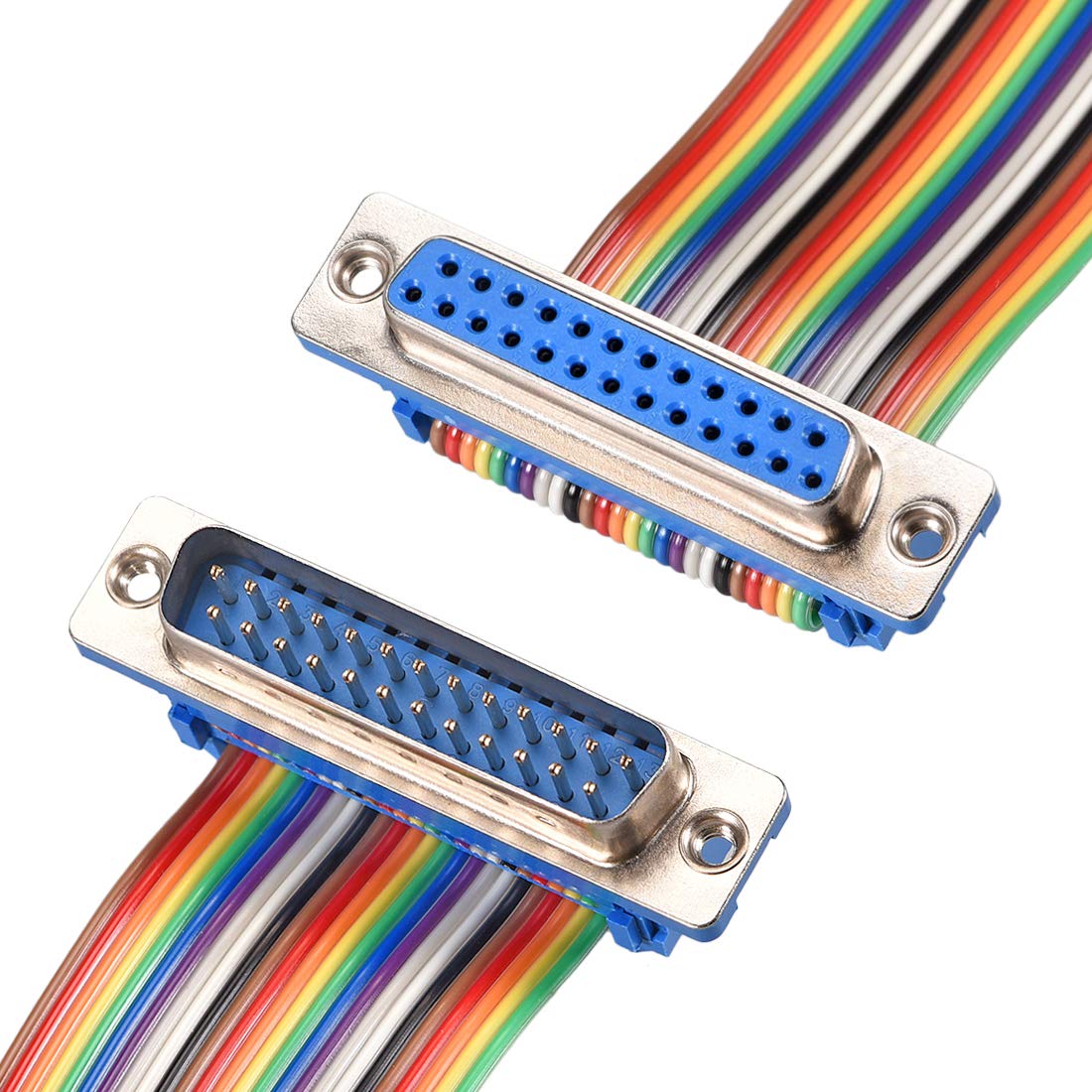
Order Volume Impact
Order quantity is the single biggest lever for cable harness pricing, with per-unit costs dropping 40–65% when scaling from 100 to 10,000 units. A basic 16 AWG 5-wire harness that costs 18.50 per unit at 100 pieces falls to 11.20 at 1,000 units and $6.80 at 10,000 units—a 63% reduction. These savings come from three key areas: material bulk discounts (15–25% savings), optimized labor efficiency (30–50% faster assembly), and amortized setup costs (spread over more units).
The first major drop happens at the 500-unit threshold, where manufacturers switch from hand-stripped wires to semi-automatic machines. This cuts wire prep time from 25 seconds per end to 6 seconds, reducing labor by 75%. At 5,000+ units, fully automated crimping and testing systems kick in, processing 400–600 terminations per hour versus 120–180 manually. For a 50-wire harness, this automation slashes assembly time from 42 minutes to 12 minutes per unit.
Material costs follow similar curves. Copper wire purchased in 100-foot spools costs 0.22/foot, but buying a 10,000-foot reel drops it to 0.14—a 36% discount. Connectors see even steeper breaks: Molex KK headers priced at 0.85 each for 100 pieces drop to 0.38 at 5,000+ units. These bulk buys can reduce total material costs by 18–30% for large orders.
Minimum order quantities (MOQs) create pricing cliffs. Many suppliers set 500-unit MOQs for custom designs, with sub-MOQ orders paying 20–40% premiums. For example, a 200-unit order might cost 14.90/unit, while jumping to 500 units immediately drops it to 11.75—a 21% savings just by hitting the threshold. Some factories offer 10–15% discounts for full pallet quantities (typically 2,000–4,000 units), optimizing their shipping logistics.
Storage and cash flow considerations matter too. Ordering 10,000 units may drop the price to 6.80/unit, but requires 68,000 upfront and 150+ cubic feet of warehouse space. By contrast, quarterly orders of 2,500 units balance cost (7.90/unit) with manageable 19,750 payments and 40 cubic feet storage. Just-in-time delivery options add 5–8% to unit costs but eliminate storage needs.
Lead times compress with volume. A 100-unit order may take 4 weeks due to material procurement, while 5,000 units ship in 2 weeks as suppliers prioritize bulk production. For urgent large orders (10k+ units in 10 days), expect to pay 12–18% expedite fees for overtime labor and air freight materials.
Testing and Quality Checks
Testing adds 5–25% to a cable harness's total cost, but catches 90–98% of potential defects before shipment. A basic continuity test costs 0.50 per unit and takes 15–30 seconds, while full parametric testing (impedance, insulation resistance) runs 8 per harness and requires 2–4 minutes. High-reliability sectors like aerospace spend 10–15% more on testing, with mil-spec harnesses undergoing 12+ individual checks before approval.
| Test Type | Cost Per Unit | Time Per Unit | Defects Caught |
|---|---|---|---|
| Continuity Check | 0.20–0.50 | 15–30 sec | 70–85% |
| Hi-Pot (Dielectric) | 1.50–3.00 | 45–90 sec | 90–95% |
| Signal Integrity | 4–10 | 2–5 min | 97–99% |
| Environmental Stress | 15–30 | 8–15 min | 99.5%+ |
Automated testing scales efficiently. A 4-probe tester handles 300–400 harnesses per hour at 0.12/unit in electricity/maintenance costs, while manual testing maxes out at 60–80 units/hour with 0.35/unit labor. For 10,000-unit orders, automation saves 2,300–4,700 in testing costs alone.
Failure rates dictate ROI. If a 0.50 test prevents even 1 field failure (saving 75/unit in warranty repairs), the breakeven point is 1,500 units—beyond which testing pays for itself. In medical device harnesses, where failure costs exceed 500/incident, 100% testing at 8–$12/unit becomes justified.
Sampling strategies balance cost and risk. For 5,000-unit batches, AQL Level II sampling tests 125 random units, catching 85–90% of systemic issues at 1/40th the cost of full testing. But critical applications often require 100% inspection, especially after finding 3+ defects in initial samples.
Burn-in testing weeds out early failures. Running harnesses at 125% rated current for 24–72 hours identifies 95% of infant mortality defects, but adds 15/unit and 3–5 days to lead times. For 10-year lifespan products, this upfront cost beats 200/unit in premature replacements.
Documentation adds hidden expenses. A simple test log costs 0.25/unit, while full traceability reports (serialized per wire) run 4.00. Automotive IMDS compliance tags another 1.20/unit for material disclosures.
Tool calibration is a silent cost driver. Multimeter recalibration every 6 months costs 250 per device, while LCR meter certifications run 800 annually. For a 10-tester setup, this adds 0.08/unit across 50k harnesses.
