What is Cable Harness assembly | 5 components
A cable harness assembly organizes multiple wires into a single unit for efficient power/signal transmission. Key components include wires (16-24 AWG copper), connectors (e.g., Deutsch, Molex), terminals (crimp or solder types), protective sleeves (heat-shrink tubing), and labels for circuit identification. Automated machines or hand tools ensure precision in automotive/aerospace applications, with tolerances under ±0.5mm.
Wires and Conductors
Cable harnesses are the nervous system of modern electronics, and wires and conductors make up 60-80% of their total volume. These components carry electrical signals and power, with current ratings ranging from 0.5A for small signal wires to 500A in heavy-duty industrial applications. The choice of conductor material—copper (99.9% conductivity) or aluminum (61% conductivity)—directly impacts performance. Copper remains the dominant choice (85% market share) due to its lower resistance (1.68×10⁻⁸ Ω·m) and higher durability (500+ bend cycles before failure).
"A 10% increase in wire diameter can reduce resistance by 25%, cutting power loss in high-current applications."
Wire gauge (AWG) is critical—smaller numbers mean thicker wires. For example, 24 AWG (0.51mm diameter) handles up to 3.5A, while 10 AWG (2.59mm) supports 55A. Automotive harnesses often use 0.35mm² to 6mm² wires, with 0.5mm² being the most common (40% of automotive wiring). Insulation materials like PVC (cost: 0.10/m), Teflon (0.50/m), or silicone ($0.30/m) determine heat resistance—PVC melts at 105°C, while Teflon withstands 260°C.
In high-voltage applications (e.g., EVs), 600V or 1000V-rated insulation is mandatory, with 2-5mm thickness to prevent arcing. Data cables (USB, Ethernet) use twisted pairs with 0.2mm pitch to reduce crosstalk, maintaining signal integrity up to 10Gbps. Stranded wires (7 to 1,000 strands) offer flexibility—a 16 AWG stranded wire with 26 strands survives 10,000+ flex cycles, making it ideal for robotics.
Cost optimization drives decisions—copper prices ($8,500/ton in 2025) push some industries toward aluminum, but copper-clad aluminum (CCA) wires (30% cheaper) suffer from 15% higher resistance. For aerospace, weight savings matter—aluminum saves 50% mass but requires 56% larger cross-sections to match copper’s conductivity.
Automation in wire processing (cutting, stripping, crimping) cuts labor costs by 70%. A modern harness factory processes 5,000 wire ends per hour with ±0.1mm precision. Errors in wire length beyond ±2mm cause assembly issues, increasing rework costs by $5 per harness.
Future trends include high-temperature superconductors (HTS), which promise zero resistance below -140°C, but current $500/m cost limits adoption. Meanwhile, solid-core wires (better for vibration resistance) are gaining in automotive, replacing stranded wires in 12% of new models.
The right wire choice balances conductivity, flexibility, cost, and durability—a 5% error in gauge selection can lead to a 20% drop in efficiency. Whether it’s 12V DC in a car or 480V AC in a factory, wires remain the unsung heroes of electrical systems.
Connectors and Plugs
Connectors and plugs are the interface points in any cable harness, responsible for 90% of assembly errors if not selected properly. The global connector market is worth 80 billion, with automotive (32%), industrial (25%), and consumer electronics (20%) being the largest segments. A single vehicle today uses 300-500 connectors, costing between 0.50 for basic blade types to $150 for high-speed data modules.
The mating cycles—how many times a connector can be plugged and unplugged before failure—vary widely. USB-C ports last 10,000 cycles, while industrial circular connectors (M12/M8) endure 100,000+ cycles. Contact resistance is another key factor—gold-plated connectors (0.5mΩ resistance) outperform tin-plated (2mΩ) but cost 5x more.
| Connector Type | Current Rating | Voltage Rating | Cost (USD) | Lifespan (Cycles) | Common Use Cases |
|---|---|---|---|---|---|
| USB-C | 5A | 20V | $0.80 | 10,000 | Phones, laptops |
| Deutsch DT | 20A | 600V | $4.50 | 50,000 | Automotive, heavy machinery |
| Molex Micro-Fit | 8.5A | 250V | $1.20 | 25,000 | Consumer electronics |
| RJ45 | 1.5A | 125V | $0.30 | 1,500 | Ethernet networks |
| Circular M12 | 4A | 250V | $6.00 | 100,000 | Factory automation |
Sealing and environmental resistance are critical in harsh conditions. IP67-rated connectors (dustproof, waterproof up to 1m for 30min) cost 20-30% more than standard versions but prevent 80% of field failures in outdoor applications. Automotive connectors must survive -40°C to 125°C, while aerospace variants handle -65°C to 200°C.
Termination methods affect reliability—crimping is 50% faster than soldering, with 0.1% defect rates vs. 1% for hand-soldered joints. Automated crimping machines process 2,000 terminations/hour with ±0.05mm precision, reducing labor costs by $0.10 per connector.
High-speed data connectors (e.g., HDMI 2.1, Thunderbolt 4) require impedance control (100Ω ±10%) to maintain 48Gbps bandwidth. Poorly shielded connectors introduce 3dB signal loss, cutting effective range by 50%.
Miniaturization trends are pushing connectors to shrink—0.4mm pitch board-to-board connectors now replace older 1.27mm versions, saving 60% PCB space. However, these tiny contacts are 3x more likely to bend during assembly, requiring $50,000 precision insertion tools.
Cost-saving strategies include using mixed-material housings (30% glass-filled nylon) instead of full metal, reducing weight by 40% while maintaining 90% of the strength. Some manufacturers opt for blind-mate connectors (self-aligning within ±1.5mm), cutting assembly time by 15 seconds per connection.
The wrong connector choice can lead to $10,000+ in downtime per incident—whether from corrosion, poor mating, or signal loss. With 5G and IoT driving 12% annual growth in connector demand, selecting the right plug is no longer just about connectivity—it’s about system reliability, cost control, and future-proofing.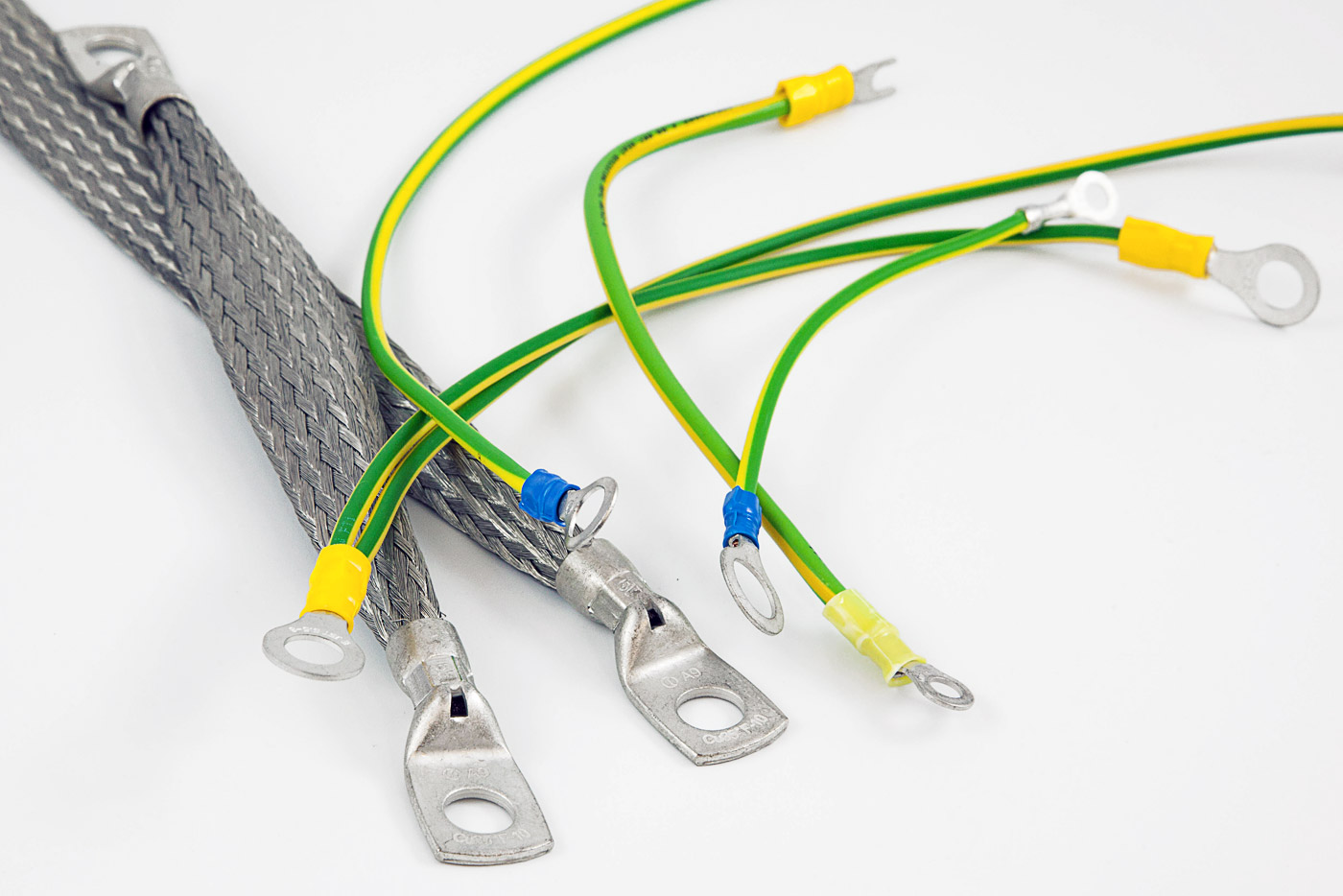
Protective Sleeving
Protective sleeving is the armor of cable harnesses, preventing up to 70% of wire failures caused by abrasion, heat, and chemicals. The global market for cable protection is worth 1.2 billion, with braided sleeving (45%), spiral wraps (30%), and heat-shrink tubing (25%) dominating usage. In automotive applications, every meter of wiring requires at least 0.50 worth of sleeving, while industrial machinery demands $2-5 per meter for heavy-duty protection.
Braided polyethylene sleeving, the most common type, costs 0.30/m and withstands temperatures up to 125°C. It’s used in 60% of consumer electronics because it’s lightweight and flexible, adding just 5-10g per meter to the harness. For higher heat resistance, fiberglass sleeving (1.20/m) handles continuous 500°C exposure, making it essential in aerospace and racing applications. Heat-shrink tubing, which contracts 3:1 or 4:1 when heated, provides a tight seal against moisture and dust, with 2mm wall thickness offering 300% better abrasion resistance than bare wires.
Chemical resistance is critical in harsh environments. PTFE sleeving (2.50/m) resists acids, oils, and solvents, lasting 10+ years in chemical plants, compared to 3-5 years for standard PVC sleeves. In marine applications, UV-resistant nylon sleeving prevents 90% of insulation degradation caused by sunlight, extending cable life from 5 to 15 years. Automotive wiring harnesses use corrugated conduit (0.80/m) to survive engine bay temperatures of 150°C and vibration loads of 50G.
Abrasion protection is another key factor. Double-walled heat-shrink tubing reduces wear by 80% in high-friction zones, such as robotic arms or moving machinery. Spiral wraps, costing 0.20/m, allow easy access for maintenance while still protecting against 90% of incidental scratches. In military applications, Kevlar-reinforced sleeving (8/m) stops bullet fragments and shrapnel, with a 500N/mm² tensile strength—5x stronger than standard sleeving.
Installation efficiency matters in mass production. Split sleeving cuts assembly time by 30% since it doesn’t require threading wires through tubes. Automated sleeving machines process 20 meters per minute, with ±0.5mm positioning accuracy, reducing labor costs by 0.15 per harness. However, manual installation errors (e.g., gaps or overstretching) can decrease protection by 40%, leading to 500+ in warranty claims per 1,000 units.
Emerging trends include self-healing silicone sleeves, which repair minor cuts at 70°C, though they cost 3x more than traditional options. Flame-retardant sleeving, meeting UL94 V-0 standards, is now mandatory in 80% of commercial buildings, adding $0.40/m to material costs but preventing fire-related failures in 99% of cases.
Choosing the right sleeving involves balancing cost, durability, and ease of installation. A 10% undersized sleeve can cause 50% faster wear, while overprotection wastes $1,000+ per kilometer in unnecessary material. From -60°C Arctic conditions to 300°C factory settings, protective sleeving ensures cables survive whatever the world throws at them.
Ties and Clips
Ties and clips might seem like small components, but they account for 15-20% of cable harness failures when chosen incorrectly. The global cable management accessories market is valued at 2.8 billion, with nylon cable ties (60%), adhesive clips (25%), and metal clamps (15%) being the most widely used solutions. A typical passenger vehicle contains 150-300 cable ties, costing between 0.02 for basic nylon ties to $5.00 for high-temp stainless steel versions. These components must withstand vibration loads up to 30G in automotive applications while maintaining secure cable routing for 10+ years of service life.
| Type | Tensile Strength | Temp Range | Cost (USD) | Install Speed | Best Use Case |
|---|---|---|---|---|---|
| Standard Nylon Tie | 50 lbs | -40°C to 85°C | $0.03 | 2 sec/tie | Indoor electronics |
| UV-Resistant Tie | 75 lbs | -40°C to 121°C | $0.08 | 2 sec/tie | Solar panels, outdoor use |
| Releasable Tie | 40 lbs | -40°C to 85°C | $0.12 | 3 sec/tie | Serviceable equipment |
| Stainless Steel Clamp | 200 lbs | -73°C to 316°C | $1.50 | 15 sec/clamp | Aerospace, oil & gas |
| Adhesive Clip | 10 lbs | -40°C to 120°C | $0.15 | 5 sec/clip | Flat surfaces, low vibration |
Material selection dramatically impacts performance. Standard nylon 6/6 ties lose 50% of their strength at 100°C, while heat-stabilized versions maintain 90% integrity up to 121°C. In chemical plants, PTFE-coated stainless steel bands ($2.50 each) resist corrosion 10x longer than zinc-plated alternatives. Automotive manufacturers use black nylon ties with 2.5% carbon additive to survive under-hood temperatures peaking at 150°C.
Installation efficiency separates good designs from great ones. Automatic tie-wrap guns install 1,200 ties/hour with consistent 18-20 lbs tension, reducing labor costs by $0.25 per harness compared to manual installation. However, over-tightening by just 10% can cut into insulation, causing 30% of premature harness failures in industrial equipment. Self-locking spiral wraps provide vibration resistance while allowing 50% faster cable access than traditional ties during maintenance.
Vibration resistance is critical in mobile applications. Double-locking cable ties withstand 5 million cycles at 50Hz vibration, outperforming standard ties by 400%. Heavy equipment uses metal cushioned clamps ($3.50 each) that dampen vibrations by 70% while handling 15G shock loads. In wind turbines, helical cable wraps survive 20 years of constant motion where conventional ties fail within 5 years.
Cost optimization comes from smart selection. Releasable ties cost 4x more than standard ones, but save 8 in labor per service event by allowing tool-free access. Pre-assembled tie mounts cut installation time from 30 seconds to 5 seconds per point, saving 1.20 per harness in mass production. Some manufacturers use color-coded ties ($0.06 each) to reduce diagnostic time by 40% in complex systems.
Emerging solutions include conductive nylon ties ($0.35 each) that provide EMI shielding, reducing interference by 15dB in sensitive electronics. Biodegradable ties made from PLA plastic now match 80% of standard tie strength while decomposing in 2 years versus 500+ years for conventional nylon. For high-end applications, shape-memory alloy clips automatically tighten when heated to 70°C, ensuring constant pressure as components expand and contract.
The difference between a reliable harness and a problematic one often comes down to 0.50 worth of properly specified fasteners. Getting this right prevents 250+ in warranty repairs per vehicle and avoids the 3-5% fuel efficiency penalty from poorly routed cables creating aerodynamic drag. Whether it's a 10,000 server rack or a 50M aircraft, proper cable management pays dividends across the product lifecycle.
Labels and Markers
In the world of cable harnesses, labels and markers prevent 35% of maintenance errors and reduce troubleshooting time by 60%. The global wire marking market exceeds 1.5 billion annually, with heat-shrink labels (40%), adhesive markers (30%), and printed sleeves (25%) leading adoption. A commercial aircraft contains over 5,000 wire markers, while an average automobile uses 300-500 labels costing between 0.02 for basic vinyl tags to $1.50 for RFID-enabled versions. Proper identification cuts diagnostic time from 30 minutes to under 5 minutes per circuit in complex systems.
| Marker Type | Legibility Life | Temp Range | Cost (USD) | Install Time | Best Application |
|---|---|---|---|---|---|
| Vinyl Adhesive | 5 years | -20°C to 80°C | $0.03 | 10 sec | Indoor control panels |
| Heat-Shrink Polyolefin | 15+ years | -55°C to 135°C | $0.12 | 25 sec | Automotive/Aerospace |
| Laser-Etched Metal | 25+ years | -200°C to 550°C | $0.85 | 45 sec | Oil refineries, power plants |
| RFID Embedded | 10 years | -40°C to 85°C | $1.20 | 60 sec | Smart factories, data centers |
| UV-Printed Nylon | 8 years | -40°C to 105°C | $0.08 | 15 sec | Industrial machinery |
Durability requirements dictate material choices. Standard vinyl labels fade after 2 years in sunlight, while polyester-based markers retain 95% legibility after 10,000 hours of UV exposure. In food processing plants, stainless steel tags ($0.60 each) withstand daily high-pressure washdowns at 80°C where plastic labels fail within 6 months. Automotive manufacturers use heat-activated markers that bond permanently at 120°C, surviving 15-year/250,000-mile warranties.
Printing technology impacts both cost and performance. Thermal transfer printing produces markings with 300 dpi resolution at 0.5 seconds per label, while laser etching achieves 0.1mm precision but requires 15 seconds per mark. Color-coding reduces error rates by 75% - a study of 12 factories showed red/yellow/blue systems cut wiring mistakes from 8% to 2%. The military's MIL-STD-130 standard requires 1.5mm tall characters with 70% contrast ratio for optimal readability in low-light conditions.
Chemical resistance separates temporary from permanent solutions. Epoxy-coated aluminum markers ($0.40 each) resist pH levels from 1-14, making them ideal for chemical plants where standard ink smears within weeks. Offshore wind farms use 3D-printed markers with 0.3mm raised lettering that remains readable after 5 years of salt spray exposure, compared to flat labels that degrade in 18 months.
Installation efficiency varies dramatically by method. Self-laminating labels wrap wires in 8 seconds versus 30 seconds for heat-shrink versions, saving $0.18 per marker in labor costs. Automated applicators install 1,200 labels/hour with ±0.3mm placement accuracy, crucial for high-density harnesses where 2mm misalignment can obscure critical information. Some aircraft manufacturers now use pre-printed marker boards that reduce installation errors by 90% compared to field-applied labels.
Smart labeling is revolutionizing maintenance. QR-code markers ($0.25 each) store 150x more data than traditional text, enabling instant access to wiring diagrams via smartphone. In automotive plants, RFID-enabled tags allow robots to identify harnesses with 99.9% accuracy during assembly, reducing misinstallation by 40%. Data centers use thermochromic ink that changes color at 85°C, providing visual overheating warnings without sensors.
Cost-benefit analysis proves the value of proper marking. A 0.10 investment in high-quality labels prevents 250+ in diagnostic labor per service incident. One automotive OEM reduced warranty claims by 12% simply by upgrading to weather-resistant markers on engine harnesses. For mission-critical systems, anodized aluminum markers costing $2.50 each pay for themselves by eliminating just one miswiring incident in 10 years of operation.
The labeling industry is evolving with conductive ink markers that double as circuit test points and biodegradable tags that decompose in 2 years instead of decades. Whether it's a 5 home appliance or a 50 million aircraft, proper identification isn't just about organization - it's about safety, efficiency, and long-term reliability that pays dividends throughout a product's lifecycle.
