What Materials Are Used in Harness Assembly
Harness assembly primarily uses 12-22AWG oxygen-free copper wires (99.9% purity) for low resistance, paired with automotive-grade connectors (e.g., Molex 39-01-2040) rated for -40°C to 125°C. Insulation involves 0.8mm-thick PVC or adhesive-lined heat shrink tubing (UL224-rated) to prevent short circuits, with terminals often tin-plated to resist corrosion.
Wires: The Core
On average, a modern automobile contains over 1,500 individual wires, totaling more than 1 mile (1.6 km) in length. The global market for automotive wiring harnesses alone is projected to exceed $93 billion by 2027, underscoring the massive scale and importance of this component. Choosing the wrong wire gauge or insulation can lead to a >10% voltage drop over a 5-meter run, crippling device performance, or cause insulation meltdown at 85°C in an engine bay that regularly hits 125°C.
| Property | Common Options & Specifications | Key Consideration |
|---|---|---|
| Conductor Size (AWG) | 20 AWG (0.5mm²) to 4 AWG (25mm²) | Smaller numbers = thicker wires = higher current capacity. |
| Stranding | 7/0.25mm, 19/0.32mm, etc. | More strands improve flexibility and resistance to metal fatigue. |
| Insulation Material | PVC, Cross-Linked Polyethylene (XLPE), PTFE (Teflon) | Dictates temperature rating, chemical resistance, and flexibility. |
| Temp Rating | -40°C to 105°C (PVC), -65°C to 200°C (PTFE) | Must exceed the operational environment's peak temperature. |
| Voltage Rating | Typically 60V, 300V, or 600V | Must be higher than the system's maximum operating voltage. |
The core of the wire is almost exclusively made from annealed copper due to its superior conductivity, offering a 96-98% rating on the International Annealed Copper Standard (IACS). A 16 AWG wire, with a cross-sectional area of approximately 1.31 mm², can safely carry ~22 amps in an open-air chassis, but this rating plummets to ~10 amps when bundled with other wires in a harness due to reduced heat dissipation. This derating of over 50% is a non-negotiable design rule.
For high-vibration environments like robotics or vehicle doors, stranding is paramount. A 19-strand construction offers significantly better flex life and resistance to breakage than a 7-strand construction of the same 20 AWG size, albeit at a ~5-7% higher cost per meter. The insulation material is a primary cost and performance driver. Standard PVC (Polyvinyl Chloride) is cost-effective, priced at roughly 0.30 per meter, and suits most interior applications with a -40°C to 105°C range. However, for near-engine applications, XLPE (Cross-Linked Polyethylene) handles -40°C to 125°C and offers better resistance to oils and coolants.
Connectors: Linking Parts
A single vehicle interior harness might utilize over 100 individual connectors, ranging from simple 2-pin assemblies to complex units with 120+ pins. The failure of a single connector, often costing less than $2.50, can disable a system worth thousands. Mismated or poorly specified connectors are a leading cause of warranty claims, accounting for an estimated 30-40% of all harness failures. Selection involves balancing $0.05-$0.15 per pin cost considerations against the risk of a $500+ field repair.
| Property | Common Options & Specifications | Key Consideration |
|---|---|---|
| Housing Material | Nylon 6/6, PBT, Thermoplastic | Determines temperature resistance, strength, and cost. |
| Terminal Type | Pin, Socket, Blade, Ring | Must match the counterpart and carry the required current. |
| Sealing Rating (IP) | IP00 (None), IP67 (Dustproof/Immersion), IP69K (Pressure Wash) | Critical for underhood or exterior applications exposed to moisture. |
| Locking Mechanism | Primary Lock, Secondary Lock, CPA | Prevents vibration-induced disconnection, a common failure mode. |
| Current per Pin | 2A (signal) to 40A+ (power) | Must exceed the circuit's maximum load with a >20% safety margin. |
The connector housing, typically injection-molded from Nylon 6/6 or PBT (Polybutylene Terephthalate), is the first line of defense. Standard Nylon 6/6 is cost-effective, priced around 0.15-0.40 per housing, and handles temperatures from -40°C to 120°C.For higher underhood temperatures reaching 150°C, PBT is the preferred material, though it adds ~15% to the component cost. The heart of the connector is the terminal, usually a phosphor bronze or brass pin/socket pair plated with a 1.27µm to 2.54µm layer of tin or gold.
Tin plating is standard for most applications, costing <0.01 per terminal, but for low-voltage signal applications (<1A), gold flash plating (0.76µm) is essential to maintain a stable <20mΩ contact resistance and prevent oxidation, adding 0.02-0.05 per terminal. The spring force of the female socket, typically between 3N and 8N, must be precisely calibrated to ensure a gas-tight connection without being too difficult to mate. A primary lock on the terminal itself and a secondary lock that secures an entire row of terminals are mandatory in automotive applications to prevent pins from backing out due to 15-20Hz vibration.
An IP67-rated connector ensures the assembly is dust-tight and can survive immersion in 1 meter of water for 30 minutes, requiring silicone seals on each wire and a primary seal on the connector header, adding 0.25-$1.00 to the total cost but preventing catastrophic failure. The mating and unmating force is also critical; a 24-pin connector should require 25-40N of force to engage, ensuring a secure fit without risking damage to the assembly during service.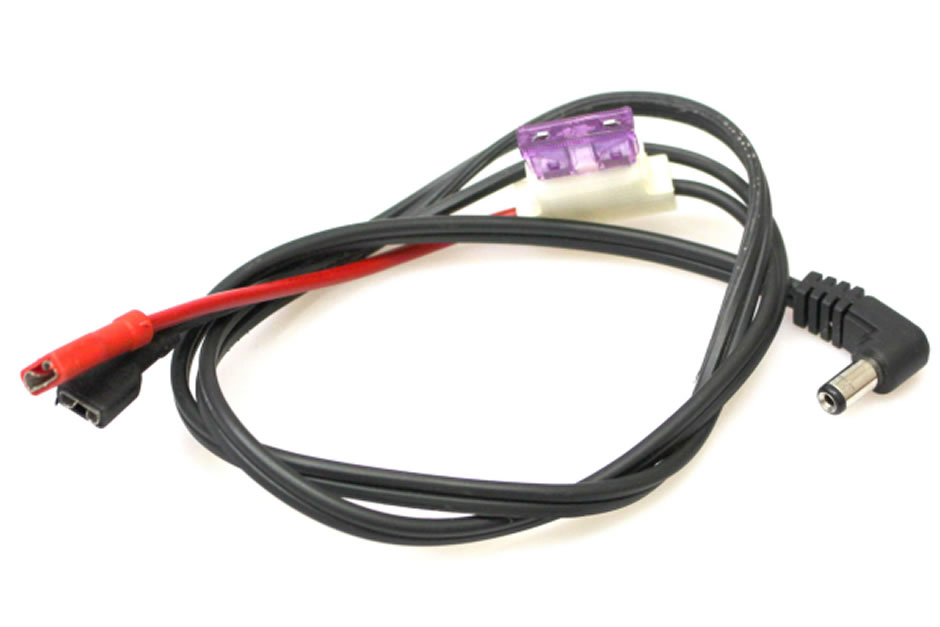
Insulation: Wire Shields
Consider that a 1mm² breach in standard PVC insulation at 85°C in an engine bay can lead to a >500Ω resistance drop to ground, potentially spiking local current by 20% and triggering a fuse failure. The global market for high-performance wire insulation is projected to grow at a CAGR of 6.5%, reaching $45.2 billion by 2028, driven by demands in electric vehicles where 600V+ systems and battery pack temperatures exceeding 105°C are commonplace. Selecting the wrong material isn't a minor error; it's a direct compromise on the 10,000-hour design life of the entire wiring assembly.
The fundamental role of insulation is to maintain a stable >100MΩ resistance between conductors, withstand a 600V dielectric test for 60 seconds without breakdown, and do so across a -40°C to 150°C temperature swing, all while resisting abrasion from 50,000+ cyclic flex tests.
Material choice is the primary decision point. Standard PVC (Polyvinyl Chloride) remains the workhorse for interior applications, costing 0.25 per meter and operating effectively from -20°C to 105°C. Its 0.3mm wall thickness provides adequate basic protection, but its 15-20 MJ/m² abrasion resistance is low, and it becomes brittle below -20°C, making it unsuitable for door harnesses or underhood use.
For these harsher environments, XLPE (Cross-Linked Polyethylene) is the upgrade. Its molecular structure allows a continuous operating temperature of 125°C, with peak tolerance to 150°C for 1,000-hour periods. Its 0.4mm wall is tougher, with an abrasion resistance of >30 MJ/m², and it offers far better resistance to oils and coolants, though at a 40-60% cost increase over PVC. The premium option is PTFE (Polytetrafluoroethylene), renowned for its -65°C to 200°C range and nearly inert chemical properties. Its extremely low coefficient of friction (0.05-0.10) allows for easy pulling through tight conduits, but its 0.2mm wall is easily nicked, requiring careful handling. The cost is the main barrier, at 3.00 per meter, a 10x premium over PVC. Beyond material, wall thickness is a critical spec.
A 20 AWG wire might have a 0.8mm outer diameter with a 0.2mm insulation wall. Increasing this to 0.4mm boosts dielectric strength by ~30% and abrasion resistance by ~50%, but it also increases the harness bundle's diameter and weight by ~15%, a significant trade-off in weight-sensitive applications like aerospace. For high-voltage applications (>60V), insulation must have a >50% higher dielectric strength, often requiring a 0.5mm wall of XLPE to safely manage 600V systems and prevent corona discharge, a phenomenon that can erode insulation over 500-800 hours of operation.
Terminals: Metal Contacts
A single poorly crimped terminal with a >10mΩ resistance can generate >3W of waste heat under a 15A load, leading to a >50°C temperature rise that degrades insulation and accelerates oxidation. Despite often costing less than 23.5 billion by 2028, driven by the >15% annual growth in high-power applications like electric vehicle battery interconnects.
- Signal Pin: Handles < 3A, often gold-plated (0.4-0.8µm), costing 0.05.
- Standard Power Pin: Rated for 10-25A, tin-plated, costing 0.07.
- High-Power Pin: For 50-150A loads, often silver-plated, costing 0.30.
- Sealed Pin: Integrated rubber seal for IP67 protection, adding 0.12 to the cost.
The base material is almost always a copper alloy, chosen for its optimal balance of conductivity and spring strength. CDA 110 (Electrolytic Tough Pitch) copper offers 100% IACS conductivity but relatively low strength, around 250 MPa. For most automotive and consumer applications, CDA 260 (Cartridge Brass), with a 70-75% conductivity and a higher 420-500 MPa tensile strength, is the standard, priced at ~8.50 per kg. For the most demanding applications requiring both high strength and excellent conductivity, CDA 172 (Beryllium Copper) is used, offering >22% conductivity and 1400 MPa strength, but at a 45-$60 per kg cost. The choice directly impacts the terminal's ability to maintain a consistent 5-8N contact force over 25+ mating cycles without stress relaxation.
Plating selection is a direct trade-off between performance and cost, dictated by the application's current and environmental demands. Bright Tin plating is the industry workhorse, with a typical thickness of 2.5µm to 5.0µm. It is excellent for >90% of applications, providing stable contact resistance for currents up to 25A and costing a minimal <0.01 per terminal. However, tin is susceptible to fretting corrosion and has a relatively low melting point of 232°C.
For low-energy signal circuits (<100mA) or high-reliability applications, a 0.4-0.8µm Gold Flash over a 1.25µm nickel barrier is essential. This plating maintains a stable <2mΩ contact resistance, is immune to corrosion, and is mandatory for connectors with a >50 mating cycle requirement, but it increases the terminal cost by 0.03-$0.06. For high-power applications, Silver plating (3-5µm) is preferred due to its superior conductivity and higher melting point of 961°C, making it ideal for handling 100A+ currents in battery lugs.
Fasteners: Hold Tight
A harness weighing just 2.5 kg can generate >50 G of force during a vehicle impact or sudden stop, enough to rip an unsecured bundle from its mounts. Vibration is the constant enemy, with frequencies from 5Hz to 2000Hz relentlessly testing every clamp and tie. Studies show that ~25% of harness failures in industrial equipment are attributed to chafing caused by inadequate or failed fastening.
| Fastener Type | Typical Hold Strength | Temperature Range | Cost per Unit | Primary Application |
|---|---|---|---|---|
| Nylon Cable Tie | 18 kg (50 lb) | -40°C to 85°C | 0.08 | Bundling, basic anchoring |
| Heat-Stabilized Nylon Tie | 18 kg (50 lb) | -40°C to 120°C | 0.12 | Underhood bundling |
| Adhesive-backed Mount | 5 kg (11 lb) peel | -40°C to 90°C | 0.30 | Mounting to smooth surfaces |
| P-Clamp (Nylon) | 25 kg (55 lb) | -40°C to 120°C | 0.40 | Secure routing through holes |
| VHB Tape Mount | 15 kg (33 lb) shear | -40°C to 150°C | 1.50 | Permanent, vibration-resistant mounting |
The humble cable tie, most often made from Nylon 6/6, is the most common solution. A standard 0.25" (6.3mm) wide tie has a minimal tensile strength of 18 kg (40 lbs) and an operating temperature from -40°C to 85°C.
For the most secure routing through sheet metal, P-clamps or cushioned clamps are the gold standard. A typical nylon P-clamp with a 8mm diameter can handle a retention force of >25 kg and features an integrated EPDM rubber liner to dampen vibration and protect the harness. The bolt used to secure it is critical; a M6x1.0 bolt requires a torque of ~10 N·m to achieve the proper 5,000 N of clamping force without stripping the threads. In high-vibration environments, a prevailing torque nut (Nylock) or a thread-locking compound is essential to prevent loosening. Testing shows that a non-locked nut can loosen after ~500,000 cycles of vibration at 30Hz, while a properly treated fastener will remain secure for >5 million cycles. The spacing of these fasteners is calculated based on harness weight and expected G-forces; a 5 kg harness in a 50 G environment requires a support point every ~200mm to prevent excessive sag and whip, which can generate >10mm of damaging movement.
Protectors: Weatherproofing
A single unprotected harness section exposed to underbody road spray can face >500 spray cycles per hour at 60 mph, with water containing 5% dissolved salts accelerating corrosion rates by 300%. The economic impact is substantial: moisture ingress is responsible for ~22% of all electrical failures in outdoor equipment, with average repair costs exceeding 1,200 due to the need for full harness replacement. The global market for protective wiring components is projected to grow at a CAGR of 7.2%, reaching 2.8 billion by 2027, driven by automation and electric vehicle demands. Selecting the right protection isn't an option; it's a direct defense against >50% reduction in harness lifespan from chemical abrasion and ozone exposure.
| Protector Type | Material | Temp Range | Abrasion Resistance | Cost Increase per Meter |
|---|---|---|---|---|
| Braided Sleeving | PET (Polyester) | -40°C to 135°C | Moderate (20-30 rub cycles) | +0.30 |
| Corrugated Conduit | Nylon 6/6 | -40°C to 125°C | High (>100 rub cycles) | +0.80 |
| Spiral Wrap | PP (Polypropylene) | -30°C to 100°C | Low-Moderate (15-20 rub cycles) | +0.20 |
| Heat-Shrink Tubing | Polyolefin | -55°C to 135°C | Varies by Wall Thickness | +1.00 |
| Silicone Tape | Silicone Rubber | -55°C to 200°C | Low (Self-fusing) | +4.00 per roll |
- Abrasion Defense: Shields against >100,000 rub cycles from sharp edges or vibration.
- Chemical Resistance: Protects from pH 3-11 chemical exposure from cleaners and fluids.
- Thermal Management: Maintains flexibility across -40°C to 150°C temperature swings.
- Sealing: Provides IP67 protection against high-pressure spray and temporary immersion.
Braided sleeving made from PET (Polyethylene Terephthalate) is the most common lightweight solution, adding approximately 0.20 per meter to the harness cost. Its open weave design offers 30 0.50-0.70 per meter in cost.
For areas requiring seamless environmental sealing, heat-shrink tubing is indispensable. Standard polyolefin tubing with a 2:1 shrink ratio and a 1.0mm wall thickness provides a rigid, IP67-rated seal when properly applied with 120°C air for 60-90 seconds. This process creates a waterproof barrier that can handle continuous immersion at 1m depth. For the most extreme temperatures and chemical exposure, silicone rubber boots and tapes are used. A 3mm thick silicone boot over a connector can operate continuously at 175°C and withstand brief exposure to 200°C, protecting delicate pins from engine bay heat. Its material cost is high, at 1.50-3.00 per unit, but it prevents failures that would cost 50x more to repair. The choice between these protectors is a balance of 0.15/m for basic abrasion resistance versus 2.50/m for complete environmental sealing, with the decision directly impacting the harness's 5-year survival rate in harsh conditions.
In harness assembly, core materials include 16-18 AWG oxygen-free copper wires (ensuring low-resistance conductivity up to 5A), tin-plated brass connectors (minimizing contact resistance to <0.01Ω), 0.25-0.35mm cross-linked polyethylene insulation (withstanding 105°C/168hr), phosphor-bronze terminals (optimized for 3-8N crimp force), and UV-stabilized nylon fasteners (25kg tensile strength), paired with silicone rubber protectors (-40°C to 150°C rated) for environmental resilience.
