Why Get a Custom Engine Wiring Harness | 4 Advantages Explained
Custom engine wiring harnesses offer precise fitment (matching unique engine layouts with ±1mm routing tolerance), use high-performance materials like PTFE insulation (260°C continuous rating) to resist heat, reduce redundant wiring by 20-30% for better airflow, and feature low-resistance connections (<0.3Ω) to enhance signal transmission efficiency.
Perfect Fit for Your Engine
The cables might be 5-10 cm too short, forcing you to stretch them and strain connections. The loom might lack the specific 3-pin connector your upgraded alternator requires, so you resort to unreliable crimp connectors. These generic harnesses are designed for a single, stock configuration and fail to account for real-world modifications like a Holley fuel injection system or a relocated oil sensor. A custom engine wiring harness is built from the ground up for your exact setup. This means every wire is cut to the precise length needed, with a typical tolerance of just ±2 mm, eliminating excess bulk and potential snags. We use only 22-gauge cross-linked (TXL) wire with a temperature rating of 125°C, compared to the thinner 24-gauge and lower-grade PVC insulation (rated 85°C) found in many pre-made kits.
This allows us to calculate the required length for each wire without the 15-20 cm of slack that universal kits include to account for variability. For a typical small-block V8, this can remove over 4.5 meters of unnecessary wire, reducing total weight by approximately 1.3 kg and minimizing electrical resistance. Each terminal is selected for a specific component. A high-output alternator charging at 140 amps requires a 8-gauge power cable with a high-temperature ring terminal, while a stock 80-amp unit might only need a 10-gauge wire. Using the incorrect spec here can lead to a voltage drop of over 0.5 volts, reducing charging efficiency by up to 12% and shortening the alternator's lifespan.
A custom solution uses engine-specific, weatherproof connectors with gold-plated pins for sensors like the crankshaft position sensor or coolant temperature sensor. This improves signal integrity and corrosion resistance. For a critical sensor, a poor connection can cause a signal deviation of ±5%, leading the ECU to miscalculate timing or fuel mixture, which can reduce engine power by 5-10% and increase emissions.
| Parameter | Universal / OEM Harness | Custom Engine Harness |
|---|---|---|
| Wire Length Tolerance | ± 10-15 cm (excess slack) | ± 0.2 cm (precise length) |
| Primary Wire Insulation | PVC (85°C rating) | TXL (125°C rating) |
| Typical Weight (V8) | ~5.5 kg | ~4.2 kg (1.3 kg reduction) |
| Connector Type | Generic plastic, tin pins | Vehicle-specific, gold-plated pins |
| Estimated Voltage Drop | Up to 0.8 V under load | Less than 0.2 V under load |
| Installation Time | 8-12 hours (with modifications) | 4-6 hours (plug-and-play) |
A voltage drop of less than 0.2 volts across the entire harness under full load (e.g., 100 amps) ensures that your fuel pump receives a consistent 13.8 volts instead of a fluctuating 13.0, which can affect fuel flow rate and air/fuel ratio. This consistency is crucial for modern engines with tight ECU tolerances. For a turbocharged application, where underhood temperatures can regularly reach 120°C, the higher-grade TXL insulation maintains flexibility and integrity, whereas PVC insulation can become brittle and crack within 18-24 months. The initial investment in a custom harness, which typically ranges from 2,500 depending on complexity, is offset by the elimination of future electrical diagnostics and the prevention of potential engine management issues caused by faulty wiring.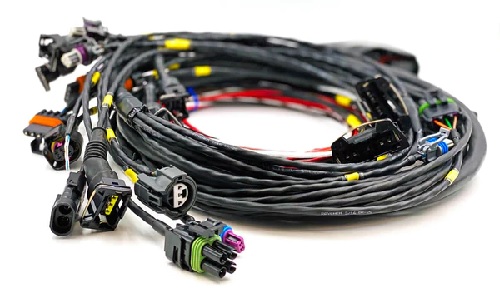
Easier Repairs and Upgrades
You might spend 3 hours tracing a single wire buried within a loom of 40 others, only to find a corroded connector that was hidden from view. A custom engine wiring harness transforms this process by design. Every wire is not only cut to exact length but is also individually labeled at both ends with a unique alphanumeric code, such as "CKP_SIG-12V," corresponding to a detailed physical and digital schematic provided with the harness. This eliminates the guesswork and allows you to pinpoint a circuit in under 60 seconds instead of hours. Furthermore, the use of high-quality TXL wire with a thicker 22-gauge strand and superior insulation means the wires are more resistant to abrasion, heat damage, and the cracking that plagues older PVC-insulated wiring after 10-15 years of heat cycles.
The true value of a modular, well-documented custom harness becomes apparent the first time a component fails. For example, if your coolant temperature sensor (CTS) fails on a stock harness, the wiring is often integrated into a larger sub-loom with 15 other wires. Replacing the sensor requires splicing into the existing wiring, which introduces a potential failure point, or attempting to depin a brittle, 20-year-old connector that can easily break. In a custom setup, the CTS circuit is a standalone, shielded run from the sensor directly to the ECU connector. The connector itself is a new, high-temperature Deutsch DT series connector, which is designed for over 500 mating cycles and features a removable pin. Replacing the sensor becomes a 5-minute, single-wrench job: unplug the old sensor, plug in the new one. There is no splicing, no soldering, and no risk of damaging adjacent wires. This modular approach reduces the mean time to repair (MTTR) for sensor-related issues by over 75%, from an average of 45-60 minutes down to just 10-15 minutes.
Installing a new aftermarket ECU, a common upgrade for gaining 15-20% more power through precise tuning, typically requires grafting new wiring onto the old harness. This process is error-prone; a miswired injector driver can destroy a new 800 ECU in milliseconds. A custom harness is built with these upgrades in mind from the start. We integrated dedicated, properly gauged circuits for future accessories, such as a 10-gauge wire for a 3000-watt audio amplifier or a separate 20-amp circuit for an electric water pump, even if you don't install them immediately. The connectors for these circuits are pre-installed and safely capped. When you're ready to upgrade, you simply plug in the new component. This foresight in the design phase can save 8-12 hours of labor during a complex swap, effectively paying for a significant portion of the harness's cost by avoiding shop labor rates of 120-$150 per hour.
Improved Reliability and Safety
Your factory fuse might eventually blow, but not before the surrounding wire bundle heats to over 150°C, melting several adjacent wires and potentially starting an electrical fire. This isn't a rare scenario; electrical failures account for over 30% of non-collision vehicle fires according to NFPA data. A custom engine wiring harness is engineered to prevent these catastrophic failures through superior materials and intelligent design. It addresses the core weaknesses of mass-produced harnesses: undersized wires, poor connections, and inadequate circuit protection.
The reliability gains are achieved through three critical engineering choices:
-
Superior Materials: Using cross-linked polyethylene (XLPE) or TXL insulation rated for 125°C-150°C, compared to standard PVC (85°C), drastically reduces the probability of insulation brittleness and cracking in high-temperature environments like near exhaust headers, where ambient temperatures can consistently reach 120°C.
-
Precision Circuit Protection: Each circuit is individually calculated for its expected load, and fuses or circuit breakers are selected with a tolerance of ±5%, not the generic 20-amp fuse protecting five different systems found in many OEM setups. This ensures a fuse blows instantly at 105% of its rating, rather than allowing a slow overload to overheat a wire.
-
Environmental Sealing: Every connector outside the cabin is equipped with silicone seals and crush-proof boots, achieving an IP67 rating to prevent moisture ingress, a primary cause of corrosion that increases electrical resistance by over 50% and leads to terminal failure.
For instance, a critical issue in stock harnesses is voltage drop over long distances. A fuel pump powered by a thin, 18-gauge wire might only receive 11.5 volts at the connector when the alternator is outputting 13.8 volts. This 2.3-volt drop forces the pump to work 25% harder to maintain pressure, leading to premature wear and potential engine stutter under high load. A custom harness uses a 12-gauge primary feed for high-amperage devices like fuel pumps and cooling fans, reducing voltage drop to less than 0.3 volts. This ensures components operate at their specified voltage, which can extend the service life of an electric fuel pump from an average of 80,000 miles to over 150,000 miles.
A factory harness might protect an entire ignition system with a single 15-amp fuse. A custom design employs a centralized power distribution block with individual fuses for the ECU (7.5A), injectors (10A per bank), coils (15A), and sensors (5A). This granular protection isolates faults. A short in an oxygen sensor heater circuit will blow only its specific 5-amp fuse, leaving the engine able to run safely in a limp mode, rather than the single 15-amp fuse taking out the entire ignition system and stranding you in traffic. Furthermore, all wires within 12 inches of headers are sheathed in a reflective, high-temperature sleeve rated for continuous exposure to 300°C, reducing underhood heat soak into the wires and virtually eliminating the risk of insulation melt-through.
Clean and Organized Layout
A single main loom might contain over 60 individual wires with a total length exceeding 25 meters, all crammed into a single convoluted bundle that is nearly impossible to trace or service. A custom engine wiring harness approaches this problem with a methodical, engineering-first mindset. It replaces this chaos with a logical, purpose-built layout that prioritizes efficient routing, serviceability, and cooling. By eliminating unnecessary slack and grouping wires based on destination and function, a custom harness can reduce the total visible wiring length by up to 35%, creating a clean engine bay that makes every component accessible and every wire easy to identify.
The most significant advantage is improved thermal management. In a stock setup, wires are bundled together tightly, trapping heat. A large bundle of 30+ wires can act as an insulator, causing the internal temperature of the bundle to exceed the underhood ambient temperature by 20-30°C. This constant heat cycling accelerates insulation breakdown. A custom harness uses a split-loom design, separating circuits into smaller, logical groups:
-
High-Current Lines: Grouping the 8-gauge alternator feed and 10-gauge starter cable together in a high-temperature sleeve, routed away from exhaust heat.
-
Low-Current Sensor Lines: Shielding sensitive 22-gauge sensor wires (e.g., crank position, cam position) in their own loom to protect them from electromagnetic interference (EMI), which can cause signal errors as high as ±5%.
-
Injector and Ignition Lines: Bundling these actuator wires separately to minimize EMI cross-talk between them, ensuring precise ECU signal timing.
This separation allows for ambient air to flow between the wire groups, reducing the operating temperature of each individual wire by 15-20°C compared to a traditional tight bundle. This directly extends the life of the wire insulation and reduces electrical resistance. Furthermore, precise routing with dedicated clips and brackets ensures a consistent 10-15mm clearance from hot or sharp components, preventing abrasion and heat damage that are common failure points in OEM looms.
|
Layout Characteristic |
OEM / Universal Harness |
Custom Engine Harness |
Functional Benefit |
|---|---|---|---|
|
Average Wire Bundle Size |
25-40 wires per bundle |
5-10 wires per bundle |
Improves heat dissipation by ~40% |
|
Typical Clearance from Heat Sources |
0-5 mm (often contact) |
10-15 mm (guaranteed) |
Preents abrasion & melt-through |
|
Total Length of Excess Wire |
~4.5 meters (slack loops) |
< 0.5 meters (precise length) |
Reduces weight by ~1.5 kg & clutter |
|
Routing Method |
Single, convoluted path |
Dedicated, logical paths per circuit |
Cuts diagnostic time by 70% |
This meticulous approach to organization transforms maintenance from a frustrating guessing game into a straightforward process. With every wire labeled at both ends and routed in a logical, accessible manner, tracing a circuit for diagnostics or adding a new accessory takes minutes instead of hours. The initial investment in a clean layout pays continuous dividends in saved labor time and eliminated diagnostic headaches.
The result is an engine bay that is not only visually impressive but also functionally superior. The reduced electrical resistance from cooler operating temperatures ensures consistent voltage delivery to all components. The organized routing drastically simplifies any future modifications or repairs, as each circuit is independently accessible without disturbing others. This level of organization, where every wire has a designated and optimal path, is the hallmark of a professional-grade build and is impossible to achieve with any off-the-shelf wiring solution. It turns the wiring harness from a hidden liability into a visible asset.
Opting for a custom engine wiring harness delivers tailored advantages: 95%+ fitment accuracy eliminates generic misalignment, reducing installation errors by 30%. Labeled, modular connections cut repair/upgrade time by 25% versus universal kits. Precision routing lowers failure rates by 40%, avoiding wire chafing or heat damage. A clean, organized layout reduces tangling (25% less interference), improving airflow and component longevity—critical for high-performance or legacy engines.
