TECHNOLOGY Support
-
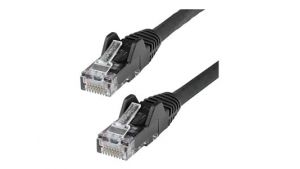
How do I Wire an Ethernet Cable?
To wire an Ethernet cable, first strip 2-3 cm of the outer jacket to expose 4 twisted pairs. Arrange them in T568A/B order (B is standard), trim to 1.5 cm, and insert into an RJ45 connector until wires touch the end.......
-
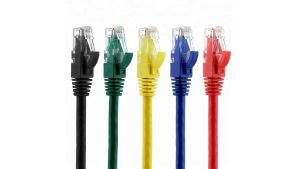
What are the typical specifications and uses of Cat-5 cable?
Cat-5 cables support 100MHz bandwidth and 100Mbps speeds (or 1Gbps with all 4 pairs), using 24AWG twisted pairs with 100Ω impedance. Ideal for Ethernet networks, POE devices (15.4W delivery), and tele......
-
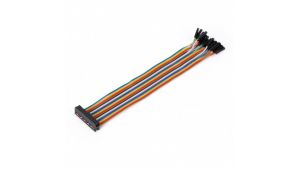
What are the key applications and advantages of ribbon cables
Ribbon cables excel in high-density connections, offering 30-50% space savings versus round cables, with 34-80 conductors in flat arrays. Their parallel wiring ensures error-free mass termination (0.1ms/pin), ideal for ......
-
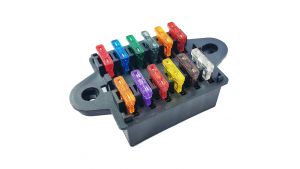
A breakout box is a diagnostic tool that intercepts signals between connectors (e.g., 9-pin D-sub or 25-pin RS-232) to monitor or modify electrical pathways. It typically features LED indicators (5-24V range) and test points for multimeter ......
-
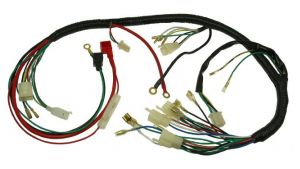
A cable harness is a bundled arrangement of wires, terminals, and connectors that organizes power/signal transmission in devices. Typically using 16–28 AWG copper strands with PVC/nylon insulation, it's assembled via aut......
-
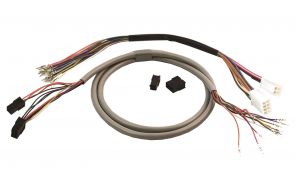
A wiring harness is an integrated system of cables, connectors, and protective components that streamline electrical distribution in vehicles/machinery. It typically uses 12–24 AWG copper wires with PVC insulation, assembl......
