COMPANY NEWS
-
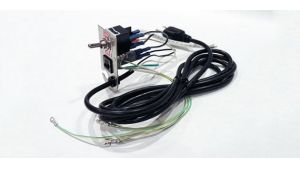
What is the Lead Time for a Custom Wiring Harness | 5 Factors That Affect It
Typically 3-6 weeks, lead time for custom wiring harnesses varies: 150+ connections add 4-6 days, imported terminals face 3-5 day customs delays, IP67/vibration testing takes 2-3 days, peak-season backlogs extend 5-7 days, and each design t......
-
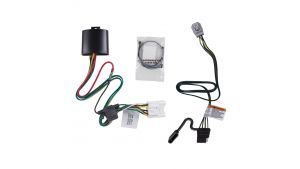
What is a Custom Wiring Harness | 4 Steps to Get Yours
A custom wiring harness is a tailored electrical assembly, often for automotive/industrial use, with precise wires/connectors. To get one: share voltage/environment specs; makers draft schematics in 3-5 days, prototype tests 100+ hours for ......
-

4 Must-Ask Questions Before Hiring Electrical Harness Manufacturers
Before hiring, ask about ISO 9001 certification, AOI testing frequency (<0.1% defects), monthly capacity (e.g., 50k units), and IPC-A-620 compliance—securing expertise, quality, scalability, and adherence to safety standards for mi......
-
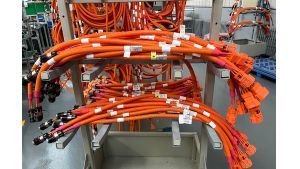
How Do Electrical Harness Manufacturers Ensure Safety
Manufacturers ensure safety with hipot testing (1kV–3kV) for insulation, UL-listed flame-retardant wires (FT1/FT4), compliance to ISO 6722/IPC-A-620, AOI to limit defects to <0.1%, and barcoded traceability—slashing fire, sho......
-
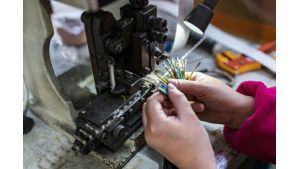
What is the Difference Between Prototype and Production Harness Assembly
Prototype harnesses are hand-assembled for R&D, using off-the-shelf parts with ±1mm tolerances and basic tests. Production employs automated tooling (e.g., 70% crimping automated), custom connectors, strict ±0.5mm specs, a......
-
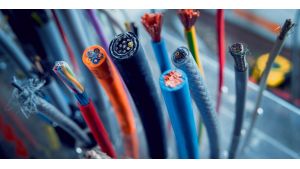
How Does a Wire Harness Work | 5 Critical Functions
Wire harnesses power devices (10-30A current, <0.01Ω resistance to minimize loss), relay signals (≤3dB high-frequency attenuation for clarity), shield wires (PVC/TPU jackets, -40°C to 125°C, 50N tensile strength), secure......
-
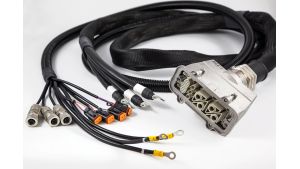
What Do the Best Wire Harness Manufacturers Offer | 3 Things
Top manufacturers deliver precision (automated crimping ±0.02mm tolerance, 100% 500V DC tests with ≥200MΩ insulation), rapid customization (CAD prototyping in 48hrs, handling 0.13-10mm² wires), and supply chain reliabil......
-
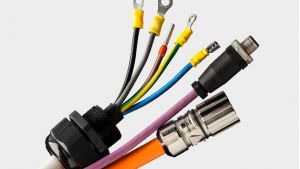
3 Critical Standards for Quality Wire Harness Assembly
Critical standards demand precise terminal crimping (height ±0.05mm, pull force ≥8N via micro-tester), 500V DC insulation checks (≥100MΩ resistance with megohmmeter), and laser-marked labels (1.2mm characters, 99.9% reada......
-
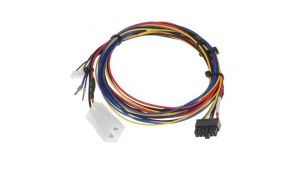
How Much Does a Custom Car Wiring Harness Cost | 5 Pricing Factors
Custom car wiring harness costs hinge on 5 factors: materials (AWG 12-18 wires + tin-plated terminals add 20−30/unit), complexity (24+ circuits cost 40% more than 12-circuit), labor (60/hrforhand−crimping),certification(ISO/TS16......
-
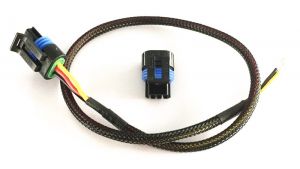
Electrical Harness Assembly | 3 Tools Required for Installation
Electrical harness assembly demands three core tools: AWG 12-18 crimpers (40-60N force for gas-tight terminals), a digital multimeter (±0.1% accuracy testing 12V systems for shorts/continuity), and a 6-10mm stripping tool (prevents c......
-
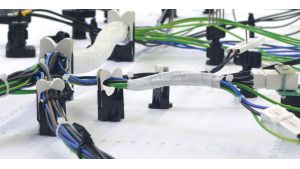
Automotive Harness Assembly | 5 Tools for DIY Installation
For DIY automotive harness assembly, key tools include a digital multimeter (tests 12V systems at ±0.5% accuracy to detect shorts), a 6-12mm stripping tool (prevents conductor damage), AWG 18-22 crimpers (30-50N force for secure term......
-
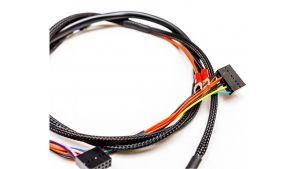
What Materials are Used in Harness Cable Assembly
Harness cable assemblies use 18-22AWG tinned copper conductors (1.02-0.81mm diameter, ≥58MS/m conductivity) for low resistance, PVC/PE insulation (0.2-0.5mm thick, -40°C to 105°C rating) for protection, and nylon/polyurethane jac......
-
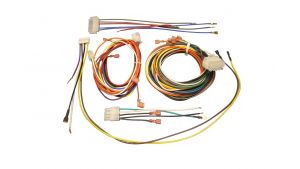
What is Electrical Harness Assembly | A 3-Point Overview
Electrical harness assembly integrates wires, connectors, and terminals into a unified system, often using 22AWG copper wires (10A-rated) with 3:1 braiding. It involves precise crimping (0.5-0.7N·m torque) to terminals and testing in......
-
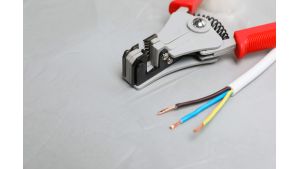
5 Common Mistakes to Avoid in Electrical Harness Assembly
Common mistakes in electrical harness assembly include loose terminal crimps (torque <0.4N·m causes >0.5Ω resistance), improper insulation (using 105°C-rated materials in 150°C environments), excessive bending (ra......
-
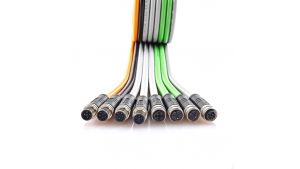
How to Test an Electrical Harness Assembly | A 4-Step Process
To test an electrical harness assembly, first visually inspect for frayed wires (>0.5mm cracks) or corroded terminals. Use a multimeter on 200Ω range to check continuity (target <0.5Ω), then a megohmmeter at 500VDC for ins......
