COMPANY NEWS
-
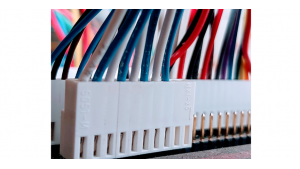
How to Ensure Quality from Electrical Harness Manufacturers | 5 Tips
Ensure quality by auditing manufacturers for ISO 9001/IATF 16949 compliance, inspecting incoming wires for ±5% cross-section tolerance, monitoring crimp height with micrometers (±0.1mm), and testing harnesses at 500V DC (≥1......
-
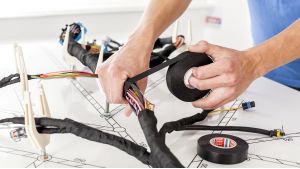
How to Protect Your Wire Harness from Heat and Abrasion | 4 Methods
Shield wire harnesses with silicone sleeves (rated -40°C to 200°C) against heat; wrap 0.3mm glass fiber braided tubing for abrasion resistance, secure with nylon ties at 50–80mm intervals to reduce friction, and apply 20&ndash......
-
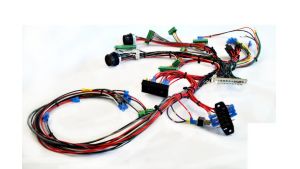
How Are Cable Harnesses Made | The 6-Step Manufacturing Process
Cable harness production begins with design specs, followed by precision cutting (±0.5mm length tolerance), insulation stripping (1.2–1.8mm exposed conductor), crimping (≥50N pull-test), component assembly (nylon ties at 80&......
-
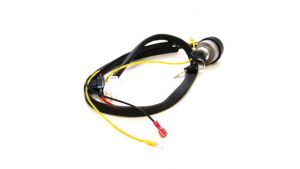
7 Common Mistakes to Avoid in Electrical Harness Assembly
In harness assembly, avoid over-stripping wires (limit to 1.5–2x conductor diameter) or loose crimps; use torque wrenches for 80N+ terminal tightness, and 100% test connections post-assembly to prevent shorts or mechanical failures. I......
-
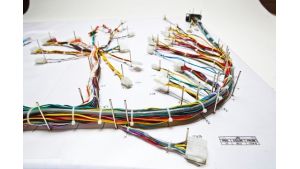
Custom vs. Off-the-Shelf Wiring Harnesses | 5 Key Differences
Custom wiring harnesses offer tailored designs (e.g., 18-4AWG wires, M12 8-pin connectors) for niche applications (e.g., -55°C to +150°C aerospace), costing 30-50% more with 4-6 week lead times and 100% functional testing (3000V die......
-
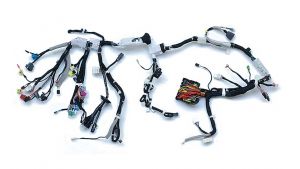
What is IPC/WHMA-A-620 | The Standard for Harness Cable Assembly
IPC/WHMA-A-620, co-developed by IPC and WHMA, is the 2021 global benchmark for cable harness assembly quality, specifying criteria for 18-28 AWG wire termination (crimp pull-off force ≥5N), rohs-compliant sleeving (thickness 0.1-0.3mm), ......
-
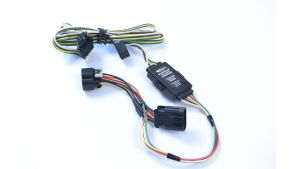
Cable Harness vs. Wire Harness | What's the Difference in 2025
In 2025, a wire harness typically bundles ≤10 simple, unshielded wires (e.g., 18AWG, 12V DC) for low-complexity tasks like interior lighting, using basic crimping. A cable harness, by contrast, integrates ≥20 multi-core wires (e.g., 1......
-
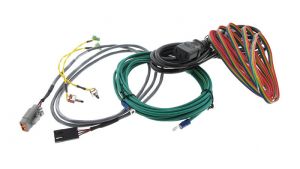
What Does a Harness Cable Assembly Include | 6 Essential Components
A harness cable assembly integrates six core components: 18-24 AWG wires, precision connectors (often gold-plated at 5μm), durable PVC sleeving, strain relief boots, EMI shielding with 85-100% coverage, and secure latching mechanisms. Ea......
-
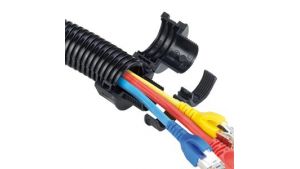
Cable Harness Protection | 5 Ways to Use Sleeving and Conduit
Protect cable harnesses with 2:1 heat-shrink sleeving (120-180°C, 3mm diameter) for abrasion resistance, 0.5mm nylon braided sleeving (IP65-rated) for flexibility, -40°C to 125°C PVC conduit (4-12mm ID) for environmental sealing......
-
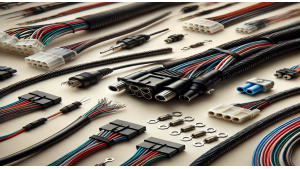
Custom Harness Design | 7 Questions to Ask Your Manufacturer
Ask about voltage/current specs (e.g., 12-24V, 5A max), material grades (22 AWG tinned copper, XLPE insulation), test protocols (100% continuity/hipot 1500V), UL/ISO certifications, lead times (4-6 weeks), cost breakdowns (per terminal), an......
-
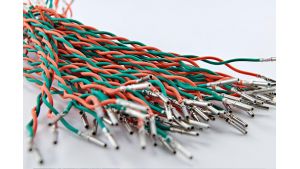
How to Vet Cable Harness Manufacturers | 5 Essential Questions
Vet manufacturers by asking about ISO 9001 certification, 100% continuity testing, UL-listed wire sourcing, monthly capacity (e.g., 50k+ units), and client references in your industry (e.g., automotive) to validate reliability and expertise......
-
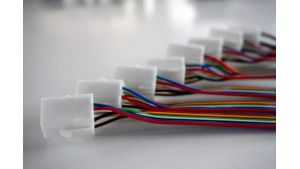
What are the 4 Main Components of a Standard Cable Harness
A cable harness comprises conductors (22-18 AWG tinned copper), insulation (PVC/XLPE, -40°C to 125°C), connectors (4-24 pins, IP67-rated), and terminals (crimped/soldered, 5-15N force), ensuring reliable signal/power transmission in......
-
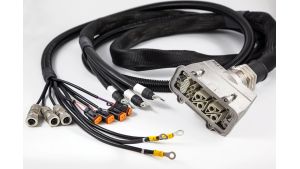
How to Inspect a Wire Harness Assembly | A 4-Point Checklist
Inspect wire harness assemblies by visually checking for frays/cracks (≤3 per inch with 10x magnifier), testing terminal crimps with a 50N pull test, verifying continuity at <0.5Ω via multimeter, and validating insulation with 3......
-
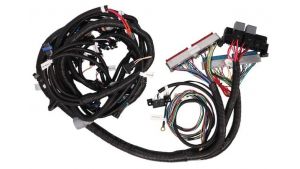
When Do You Need a Custom Wiring Harness | 5 Tell-Tale Signs
You need a custom wiring harness when existing designs fail to fit upgraded equipment (e.g., 30% more interfaces), operate in extreme conditions (-40°C to 125°C), meet stricter safety standards (e.g., DO-178C), fit tight spaces (ben......
-
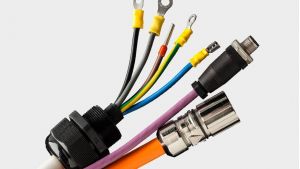
How is a Cable Harness Made | A 5-Step Manufacturing Process
Cable harness manufacturing starts with CAD-designed layouts specifying wire gauges and terminals. Wires are stripped 0.5–1” via automated tools, then crimped with 5–8 tons of pressure. Assembled per schematics, secured wi......
