COMPANY NEWS
-
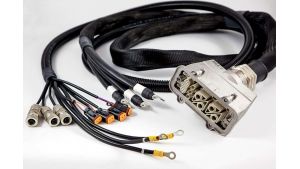
How Long Does a Harness Cable Assembly Process Take
Harness cable assembly time varies by complexity: simple, single-connector designs take 2–4 hours (manual assembly), while multi-node systems with automated crimping/testing require 10–15 hours. Design revisions or custom shield......
-
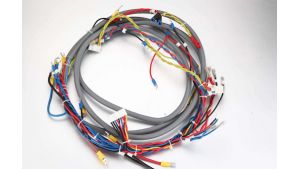
5 Ways to Reduce Costs on Your Next Harness Order
To cut harness order costs, order in bulk (10% discount for 1k+ units), use aluminum conductors (15-20% savings vs. copper in low-current apps), simplify connector pin counts (20% reduction lowers assembly time), consolidate suppliers (8-12......
-
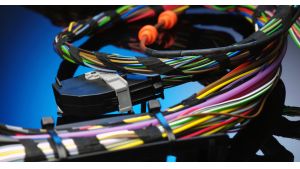
What Are the 3 Types of Electrical Harness Assembly
Electrical harness assemblies include automotive (copper conductors, 0.5-4mm², -40°C to 125°C), aerospace (silver-plated copper, MIL-STD-810 compliant), and industrial control (PVC/silicone insulation, 300V rated, -25°C to ......
-
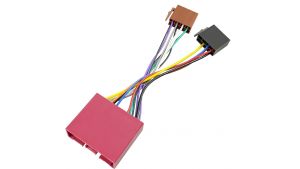
5 Tips for Sourcing Harness Manufacturers
When sourcing, prioritize manufacturers with IATF 16949 certification, request samples for 200-cycle durability tests, audit their automated assembly lines for 30%+ efficiency, verify their component traceability systems, and ensure their s......
-
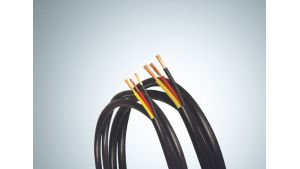
5 Common Mistakes in Automotive Harness Assembly
Common mistakes include incorrect cable routing causing chafing (30% of failures), poor terminal crimping behind 25% of defects, omitted continuity testing, inadequate strain relief, and mislabeling that increases rework costs by up to 20%.......
-
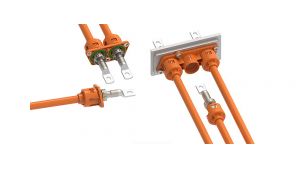
What's the Difference in Harness Assembly for EV vs. ICE
EV harnesses handle up to 800V with extensive shielding (90%+ coverage) and HVIL connectors for safety, while ICE versions focus on lower-voltage signals and power, using simpler, lighter materials. High-Voltage System Differences While a t......
-
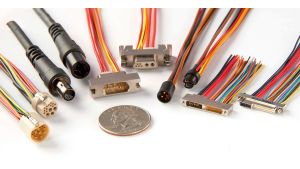
3 Trends in Cable and Harness Assembly
Automation is boosting efficiency by 30% using robotic cutting, while miniaturization demands micro-connectors to reduce weight by 50%. Integrated smart cables with sensors also enable predictive maintenance, cutting failures by 20%. Automa......
-
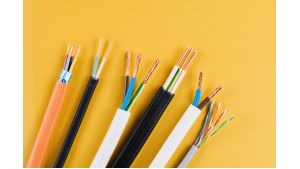
5 Signs You Need a New Wiring Harness
Signs include frayed insulation (30% failure starts here), voltage drops >0.5V in 12V systems, overheating (>80°C), corroded terminals (>0.1mm metal loss), and sensor misreads (>5% variance)—replace if these persist. H......
-
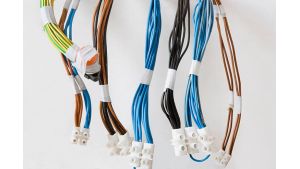
Custom vs. Standard Harness | Which Is Better
Custom harnesses suit niche needs (e.g., 99% reliability in -55°C to 125°C extreme temps) but cost 20-30% more with 4-6 week lead times. Standard harnesses offer 50% lower NRE, 2-week delivery, and 95% reliability for high-volume, c......
-
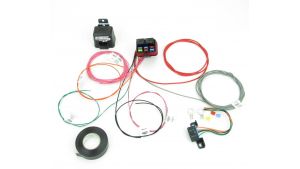
How to Customize an Engine Harness
Customize engine harnesses by analyzing engine specs (e.g., V6 needs 1.2m length), selecting gauges (14AWG for 15A ignition coils, 22AWG for 2A sensors), matching IP67 connectors (TE MSD series), and testing via thermal imaging (<85℃) or......
-
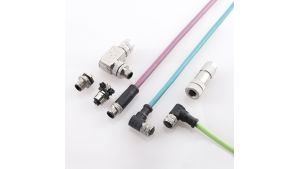
How to Test Wire Harness Assembly | 3 Effective Methods
Test wire harness assemblies via three methods: continuity checks (resistance <0.1Ω with multimeter), insulation resistance tests (500V DC, ≥100MΩ via megohmmeter), and functional validation (simulate loads, voltage drop &......
-
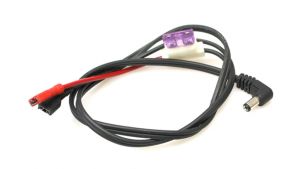
What Materials Are Used in Harness Assembly
Harness assembly primarily uses 12-22AWG oxygen-free copper wires (99.9% purity) for low resistance, paired with automotive-grade connectors (e.g., Molex 39-01-2040) rated for -40°C to 125°C. Insulation involves 0.8mm-thick PVC or a......
-
5 Common Harness Assembly Mistakes
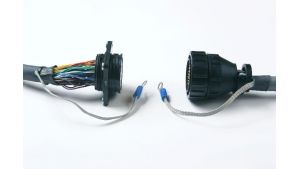
Common harness assembly mistakes include using undersized wires (e.g., 18AWG instead of the recommended 14AWG, causing 20% higher resistance and overheating), solder joints with temperatures below 350°C leading to weak connections, insu......
-
What Tools Are Needed for Wire Harness Assembly | Basic Kit
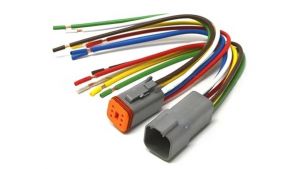
A basic wire harness kit needs a 10-22AWG wire stripper, 40W soldering iron, heat gun (for 0.8mm UL224 heat shrink), multimeter (tests continuity/voltage), and precision cutters to ensure clean, accurate wire preparation and connections. Ma......
-
5 Key Steps for a Custom Car Wiring Harness
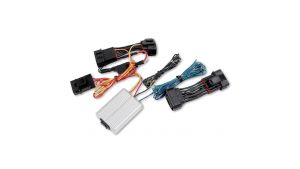
To craft a custom car wiring harness, first map the circuit using a digital multimeter to confirm voltage and current needs, then cut 14-18AWG oxygen-free copper wires (99.9% purity) to exact lengths with ±1mm tolerance. Solder conne......
