COMPANY NEWS
-
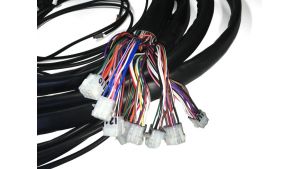
Top 3 Industries That Rely on Professional Cable Harness Manufacturers
Automotive leads with ~40 custom harnesses per vehicle, driving demand for manufacturers using automated testing to meet ISO 26262 safety standards. Aerospace relies on them for avionics and engines, requiring AS9100-certified precision to ......
-
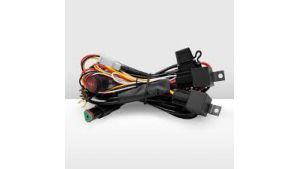
Wire Harness Certification | 5 Standards for Compliance
Wire harness certification demands compliance with UL 758 (105°C temp rating), ISO 6722-1 (10-2000Hz vibration test), IPC/WHMA-A-620 (≥50N pull test), SAE J1128 (0.5mm² min conductor), VDE 0295 (125°C insulation validation).......
-
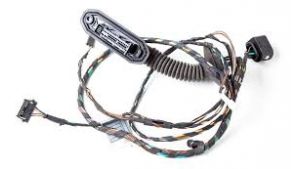
Wire Harness Routing | 5 Best Practices for Longevity
Wire harness routing ensures longevity by maintaining ≥6× diameter bend radius (e.g., 4.5mm for 0.75mm² wires), using nylon convoluted tubing (ID 8mm) to avoid sharp edges, securing every 300mm with zip ties, keeping 10mm from......
-
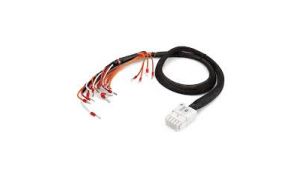
5 Common Wire Harness Problems & How to Fix Them
loose terminals (re-crimp to ≥50N pull test), cracked insulation (swap to XLPE, 125°C-rated), overloading (upgrade to 0.75mm² wire, 18A capacity), shorts (seal with IP67 gel), vibration loosening (torque M12 connectors to 8N&mid......
-
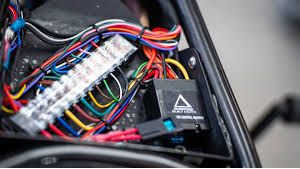
How to Design a Custom Wiring Harness in 4 Key Steps
Designing a custom wiring harness starts with analyzing 15A current loads and -40°C to 85°C operating temps, using the AMP formula (I=0.000393×A×ΔT⁰·⁴⁴) to select 0.75mm² tinned copper conductors with X......
-
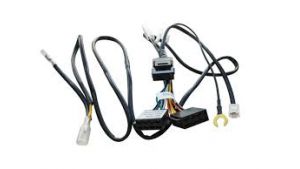
How to Identify Quality Wire Harness Manufacturers | 5 Traits
Quality wire harness manufacturers hold ISO 9001/TS 16949 certifications, use 0.01mm precision laser welders, conduct 125°C/1000hr thermal cycling tests, source 99.97% pure copper conductors, and have 50+ OEM client references with ≤......
-
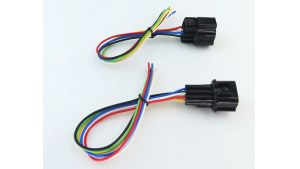
How to Repair a Wiring Harness | 3 Common Issues and Fixes
To repair wiring harnesses, fix breaks by testing continuity (≤0.1Ω with multimeter), seal 1-2mm insulation cuts using 2:1 heat-shrink tubing (150°C shrink temp), and re-crimp loose terminals at 12 tons pressure to restore 95%+......
-
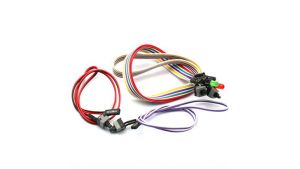
Wire Harness Manufacturing | 7 Quality Control Standards
Wire harness QC involves 0.01mm conductor diameter checks via micrometer, 0.25mm min insulation thickness via caliper, 50N terminal pull-tests, 125°C/100hr thermal cycling, and 100MHz signal integrity validation, achieving 99.8% complia......
-
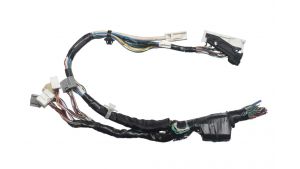
Custom Engine Wiring Harness | 5 Benefits for Performance
Custom engine wiring harnesses enhance performance: 15% higher conductivity reduces resistive heat by 20°C vs stock, 2000hr salt-spray tested for durability, signal latency under 5ms, and adapt to 30+ engine models with precision routin......
-
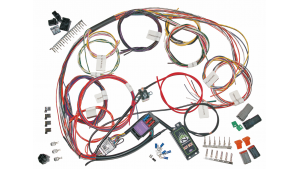
How to Choose a Custom Wiring Harness | 5 Key Specs to Check
To choose a custom wiring harness, check current load (e.g., 10A/contact for 18AWG, 0.82mm², ≤20mΩ/m), temperature range (-40°C to +125°C for automotive), connector type (TE DEUTSCH DT, IP67), and insulation (PVC/XLPE,......
-
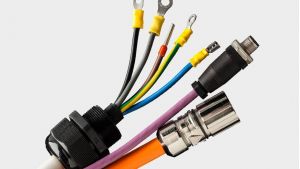
Wire Harness vs Cable Assembly | 3 Critical Differences Explained
Wire harnesses and cable assemblies differ in complexity, application, and assembly: harnesses integrate 50-100+ wires with connectors/protective layers (e.g., automotive, -55°C to +125°C), while assemblies use 4-8 core cables (e.g.......
-
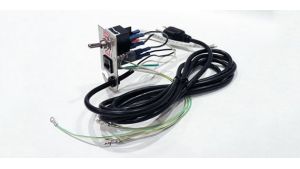
Wire Harness Materials | 7 Types of Cable and Connector Options
Wire harness materials feature PVC-insulated cables (-40°C to +105°C, 600V), XLPE (1000V, -55°C to +125°C), and TPU jackets (oil-resistant, 30MPa tensile strength). Connectors like Molex Mini-Fit Jr. (20-24AWG, 10A/contact, ......
-
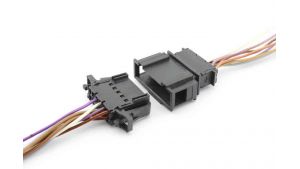
Wire Harness Connector Types | 5 Most Common Varieties
Common wire harness connectors include Molex Micro-Fit 39-01-2040 (40-pin, 0.8mm pitch, automotive, 3A/contact), Amphenol ARINC 600 (1553B bus, 75Ω impedance, aerospace, IP68-rated), TE DEUTSCH DT (IP67, -40°C to +125°C, comme......
-
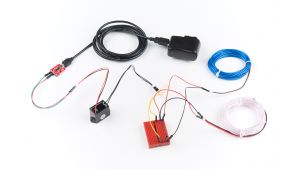
Custom Wiring Harness for DIY | 5 Beginner Tips
For custom DIY wiring harnesses, start with 18AWG wire (rated for 10A circuits) and strip insulation with a precision tool (0.5mm accuracy) to avoid wire damage. Crimp terminals using 30-50N force; test continuity (<0.1Ω resistance......
-
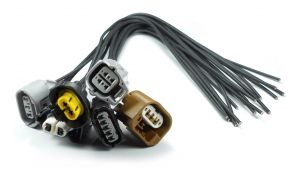
Automotive Electrical Harness | 7 Signs You Need a Replacement
Signs to replace an automotive electrical harness include visible insulation cracking (>30% surface damage) exposing wires, corroded connectors showing >0.5Ω contact resistance (measured via multimeter), frequent engine light fl......
